
Reading time: 9 minutes · Last updated: September 7, 2026
Market stalls in Florence are still selling the last figs this week. Meanwhile, the hardware shops on the edge of town have already restocked rain boots. Autumn foliage in Tuscany does not arrive on the calendar most visitors expect. Instead, it shows up in the hills east of the city, weeks after the last beach trip to the coast. This guide covers where the colors actually peak and which forests reward a proper hike. It also explains how to reach one of the region's best autumn festivals by train, not a coach. First, though, it helps to know what "autumn color" even means here, since Tuscany is not Vermont.
What "Autumn Foliage in Tuscany" Really Means
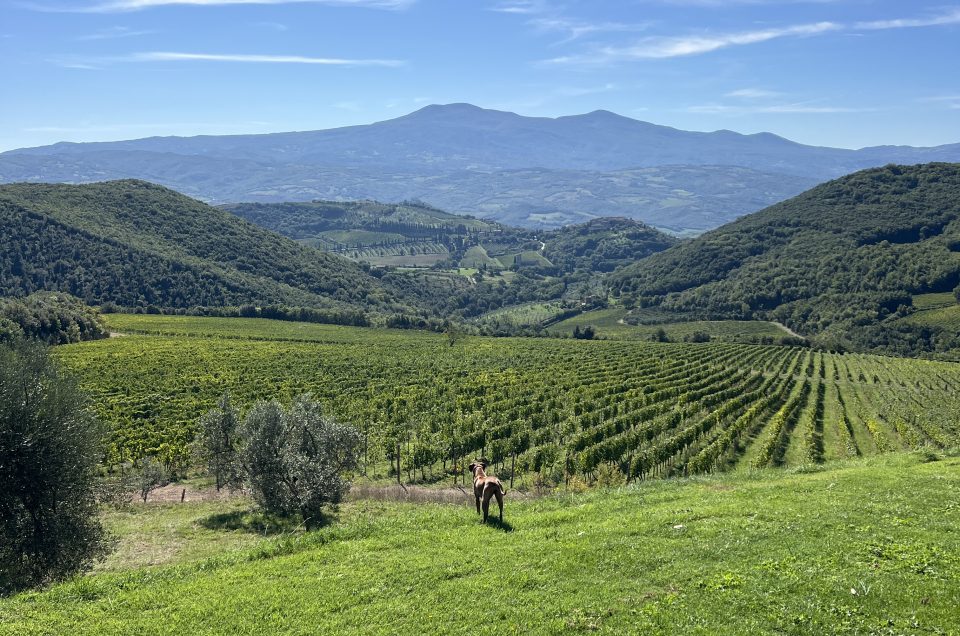
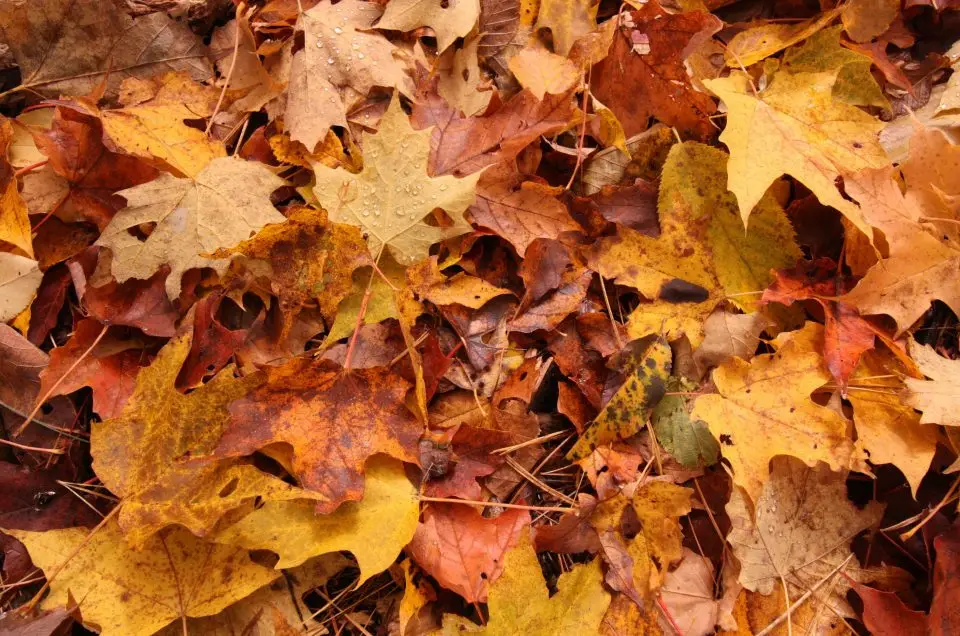
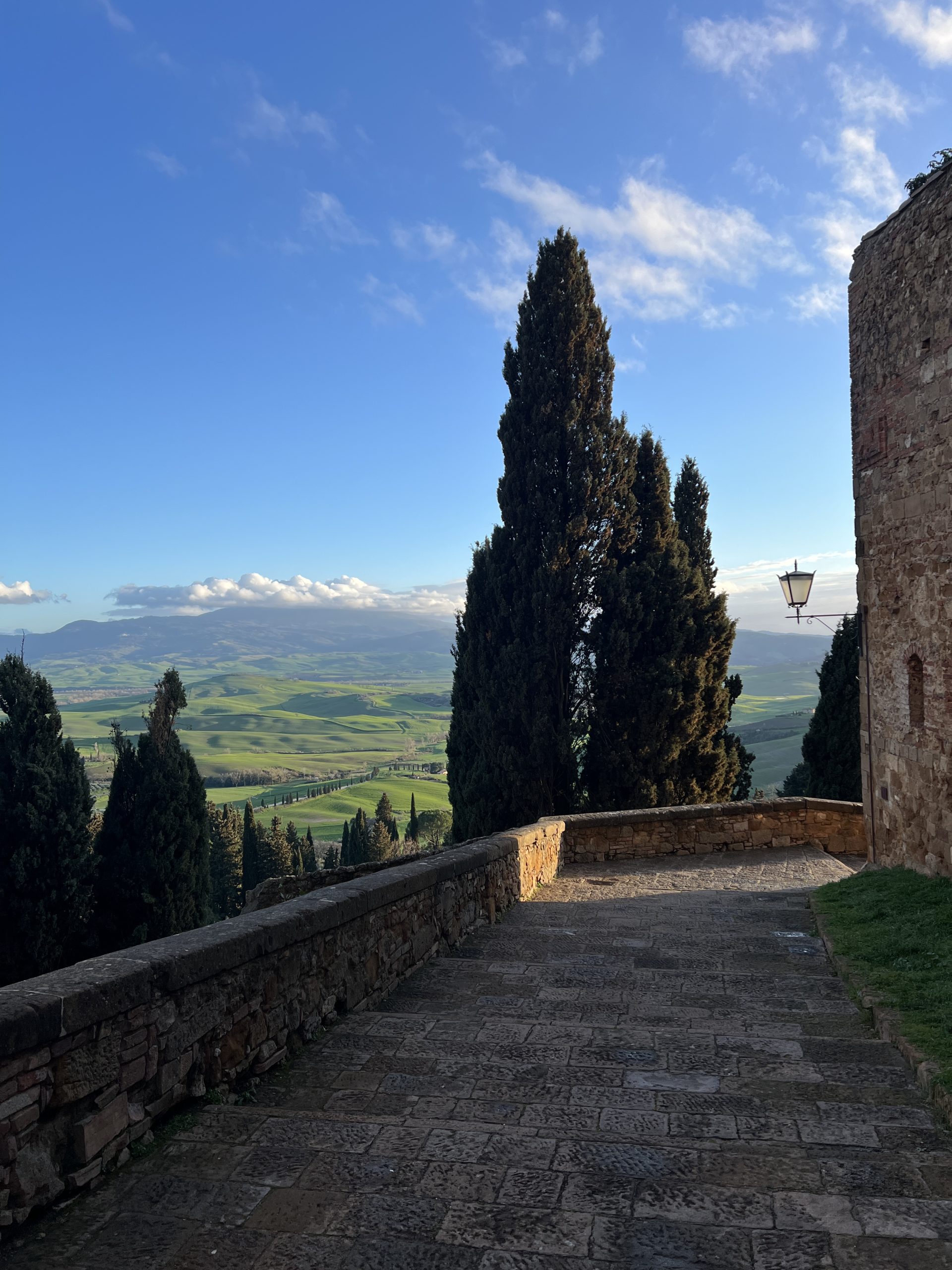
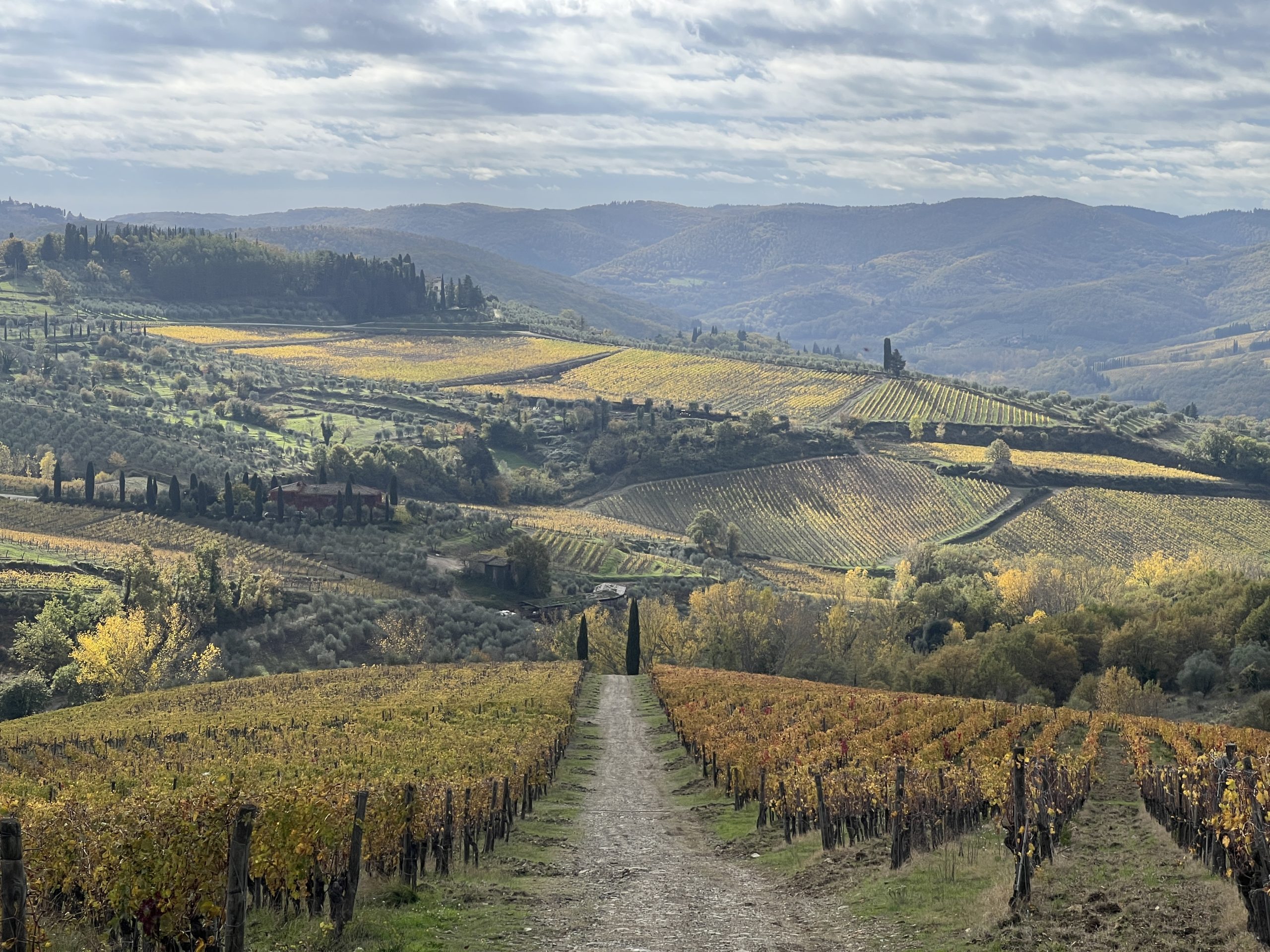
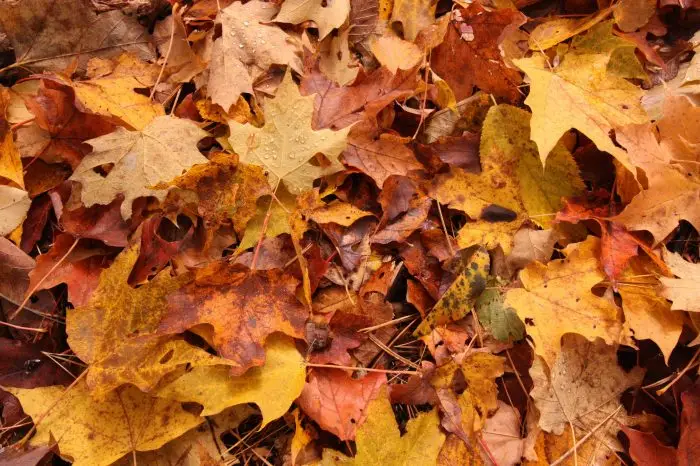
Tuscany's postcard image runs to cypress trees and vineyards. Neither one turns red or gold in October. Instead, the real color show happens higher up, in the beech and chestnut forests of the Apennines. There, entire hillsides shift from green to copper, orange, and deep purple over a few weeks.
Multiple regional sources agree on timing. The strongest color usually falls in the last two weeks of October and the first two weeks of November. A warm autumn, however, can push that peak slightly later. This window matters, because arriving in early October to see gold hillsides near Florence itself usually disappoints. Plan the trip for late October instead, and head for elevation rather than a city view.
Elevation also changes the temperature, not just the color. Florence itself can still feel mild in late October, with jacket weather rather than coat weather most afternoons. A short drive into the Apennines, though, brings noticeably cooler air, since the Casentino and Vallombrosa both sit well above the valley floor. Pack accordingly, and expect the forest to feel a season ahead of the city.
The Foreste Casentinesi: Tuscany's Best-Kept Autumn Color Secret
East of Florence, toward the border with Emilia-Romagna, lies the Parco Nazionale delle Foreste Casentinesi, Monte Falterona e Campigna. This park protects some of the most colorful forest in Italy, and Visit Tuscany's own regional tourism board singles it out as the best place in the region for genuine fall color. Beech, fir, and maple stands here turn a genuine spectrum of color, and the park organizes an entire season around it.
Every year from late September, the park runs a program called Autunno Slow. It packs six weeks with guided hikes, "Sentieri del Gusto" taste-and-walk routes, and photography workshops. Deer rut hikes open the program in late September. Meanwhile, dedicated foliage walks take over through October. In short, this is not a park that waits for visitors to stumble across it. Instead, it plans for them.
One corner of the park stays off-limits on purpose. Sasso Fratino is an integral nature reserve inside the Casentinesi forest. It holds beech trees over 500 years old, and it earned UNESCO World Heritage status in 2017 as part of a wider listing of ancient European beech forests. No picking is allowed there, and no off-trail walking either. Even so, a marked trail nearby lets hikers see the reserve's edge without disturbing it.
Vallombrosa: Forty Minutes From Florence, and Italy's Tallest Tree
For a shorter trip, Vallombrosa sits roughly 40 kilometers from central Florence, about 40 minutes by car. A Benedictine abbey founded in 1036 anchors the site. Since 1977, the surrounding fir and beech forest has also held status as a Biogenetic Nature Reserve.
Somewhat unexpectedly, this same forest holds Italy's tallest known tree. It is a 62.45-meter Douglas fir, nicknamed "The Italian Tree King." Trails wind past it and continue through an experimental arboretum holding more than 3,000 plant specimens. As a result, a single afternoon here mixes real elevation, real color, and a genuinely rare tree. No long drive is required.
Camaldoli and the Casentino Villages
Further into the Casentino, the hermitage and monastery at Camaldoli sit about 68 kilometers from Florence, roughly an hour and fifteen minutes by car. Monks have lived here since the eleventh century. The surrounding forest connects to hiking trails that climb toward Badia Prataglia and the Mandrioli Pass.
Stone villages along the valley make good bases for a slower two-day trip, including Poppi with its medieval castle. As a result, hikers can spread color-viewing walks across a weekend instead of rushing one long day from Florence and back. Because the region sees relatively few visitors even in high season, trails rarely feel crowded here in October. That quiet, in fact, is the main appeal for anyone tired of queuing at better-known sights.
Part of the Via di Francesco pilgrim route, which links Florence to the sanctuary of La Verna, also passes through Camaldoli. Consequently, a stretch of the same path used by pilgrims for centuries now doubles as an excellent color-viewing walk. No special preparation is needed beyond decent boots, since the section near Camaldoli stays well marked and moderate in difficulty.
Marradi: A Chestnut Festival You Reach by Train, Not a Bus
North of Florence, in the Mugello, the small town of Marradi holds a chestnut festival on four Sundays every October. Local growers there cultivate the Marrone del Mugello, an IGP-protected chestnut. Within that category sits the specific "Marron Buono" grown around Marradi, prized by chefs for its sweetness and crisp, pale interior.
The chestnuts grow between 300 and 900 meters of elevation. Producers cannot use fertilizers or pesticides under the IGP rules. Cool nights and warm days across the Mugello valley are credited with the variety's sweetness. Meanwhile, the easiest way to reach the festival avoids a car entirely. The historic Faentina railway line runs from Florence's Santa Maria Novella station to Marradi in about an hour and fifteen minutes. Along the way, it passes straight through Casentino forest. During the festival, special steam-train services often add to the regular timetable, which makes the ride itself part of the day out.
No coach tour circuit runs through Marradi, largely because there is nothing standardized to sell. A market square full of roasted chestnuts and a slow train ride simply do not fit a fixed itinerary. That, in fact, is precisely the point.
How to Hike These Forests Without Getting Lost
Apennine weather turns quickly in autumn. As a result, a few practical habits matter more here than they would on a summer coastal walk. Fog can settle into the Casentino valleys by mid-afternoon, and marked trails can look different once leaves cover the path underfoot.
- Check the park's official trail map before setting out, since some paths close seasonally for hunting season or maintenance.
- Wear proper hiking boots rather than trainers, because wet leaves over stone and root get genuinely slippery.
- Start early, since daylight shortens fast in late October and afternoon fog reduces visibility on exposed ridges.
- Pack layers instead of one heavy coat, because valley floors and ridgelines can differ by several degrees.
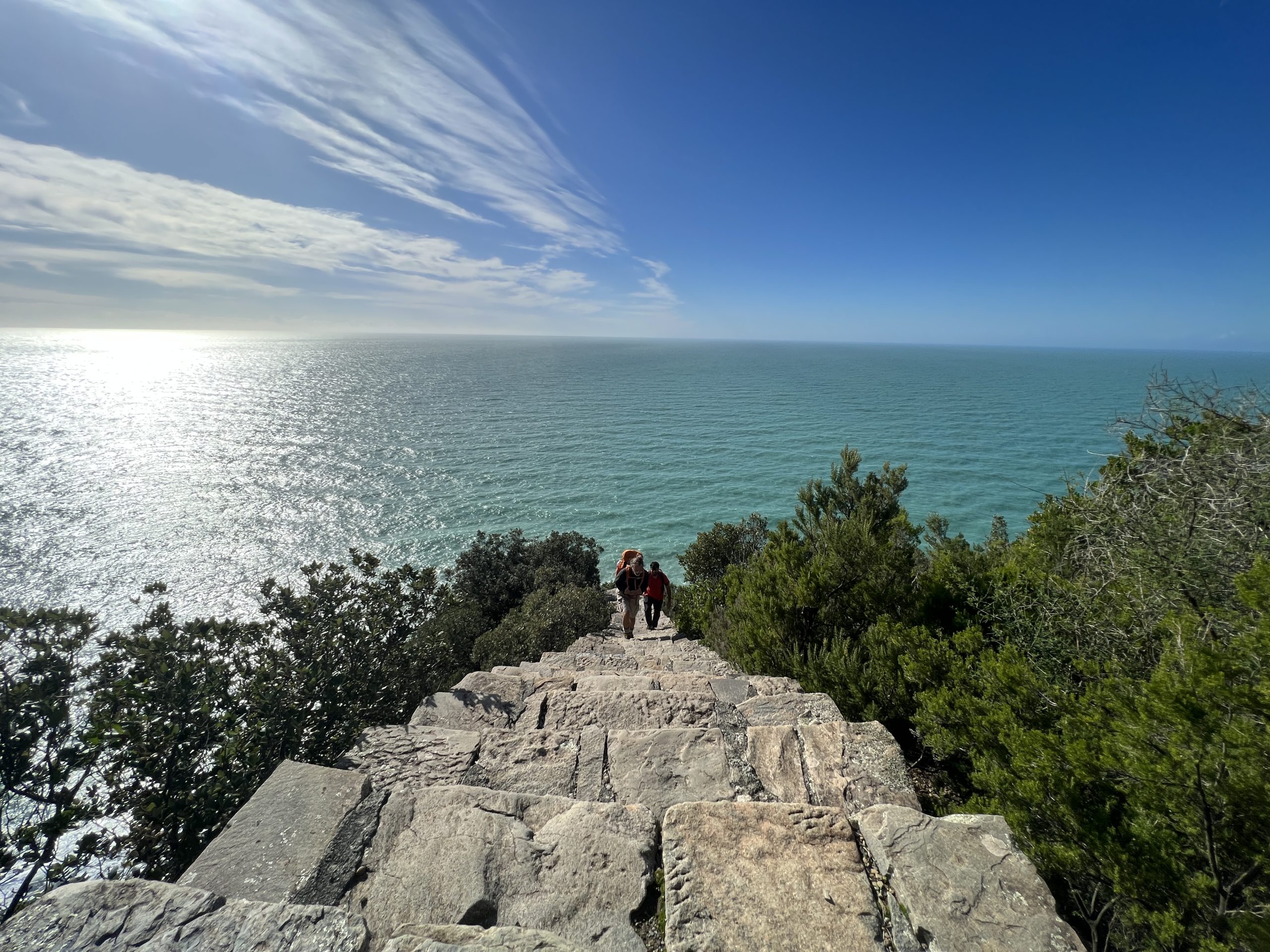
- Consider a local guide for a first visit, since trail junctions in dense beech forest are easy to miss once color has your attention.
Our own sustainable hiking experiences run small groups through this kind of countryside on purpose. Departures are timed to the season, not to a fixed sheet. That structure suits a landscape that changes color on its own schedule, not ours.
Where to Eat After a Day in the Woods
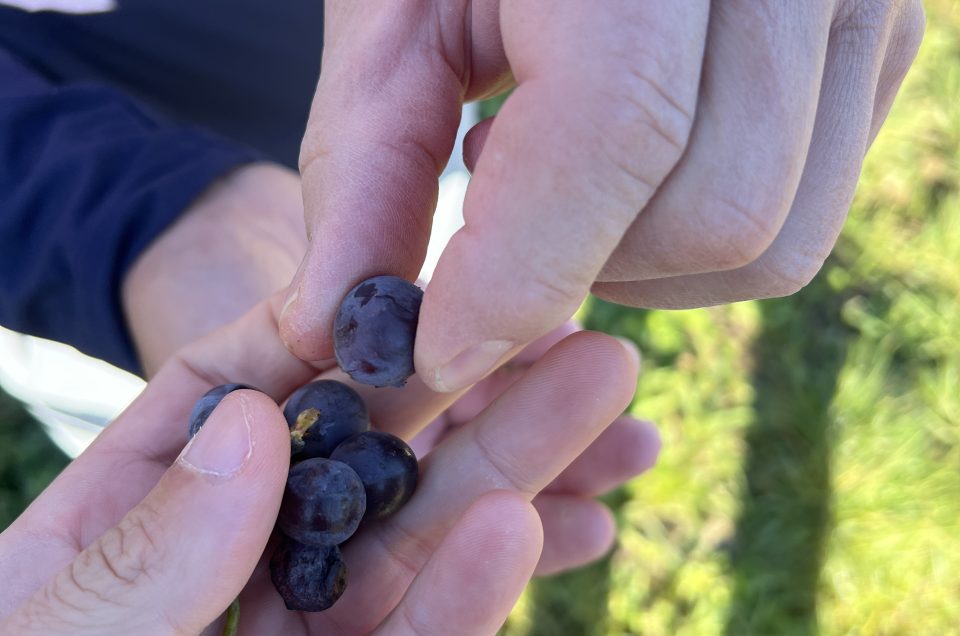
Chestnut season overlaps with the last weeks of the grape harvest, so autumn menus around Florence lean into both. Look for roasted chestnuts sold from a paper cone on the street. Alternatively, try a simple castagnaccio, a flat chestnut-flour cake, if it turns up on a chalkboard specials list.
For a starting point that skips guesswork entirely, we keep a running, locally curated map called Florence Off the Beaten Path: From Real Locals. Every spot on it earned its place through repeat visits, not a coach operator's commission.
Frequently Asked Questions About Autumn Foliage in Tuscany
When does autumn foliage in Tuscany peak?
Most years, the strongest color falls in the last two weeks of October and the first two weeks of November. A mild autumn, though, can push the peak a little later.
Where is the best place near Florence to see autumn colors?
The Foreste Casentinesi National Park, east toward Emilia-Romagna, holds the region's most colorful forest. Alternatively, Vallombrosa offers a shorter option with similar color, about 40 minutes from the city.
Do I need a car to see the Casentino forests?
A car helps for reaching Camaldoli and the deeper park trails. However, Marradi's chestnut festival is reachable by train directly from Florence's Santa Maria Novella station.
Is the Marradi chestnut festival worth a day trip?
Yes, particularly for travelers who want an authentic autumn event rather than a staged photo stop. It runs on four Sundays in October, and it combines a market, food stalls, and a scenic train ride through the park.
What should I pack for autumn hiking in Tuscany?
Waterproof boots, layered clothing, and a rain shell cover most conditions. Fog and temperature swings are common at elevation, even when Florence itself still feels mild.
Is early October too soon to see the colors?
Generally, yes, at least at lower elevations. Late October through mid-November is the safer window for genuine forest color, rather than a still-green hillside.
Can I combine autumn foliage with other Tuscany experiences?
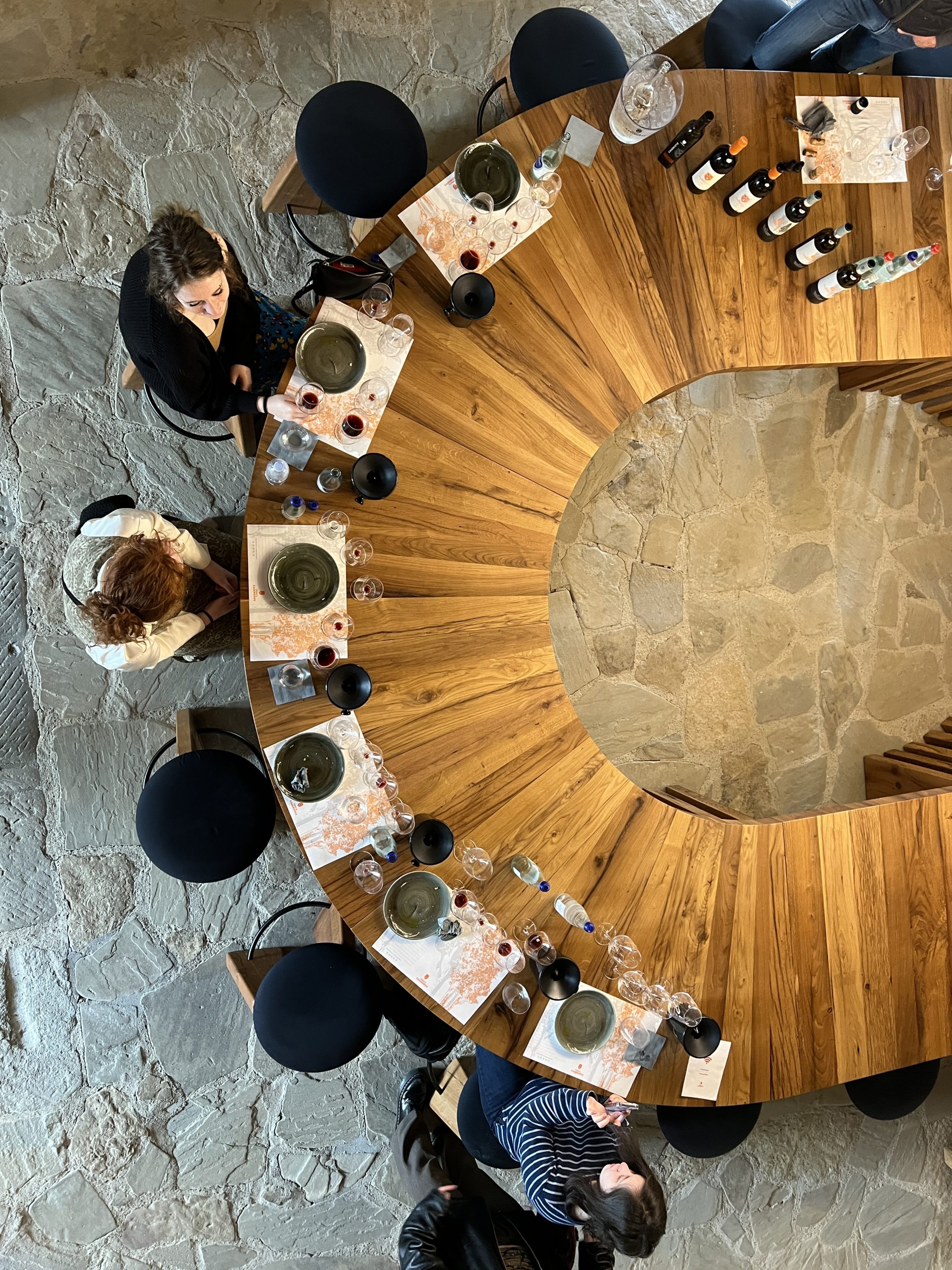
Easily. Many travelers pair a Casentino hiking day with a Chianti wine visit or a Florence urban hike earlier in the same trip, since the seasons overlap for several weeks.
Plan Your Autumn Foliage Trip in Tuscany
We build small-group countryside days around hiking, gravel biking, and Tuscany's real seasonal rhythms. A fixed coach schedule never enters into it. Explore our sustainable hiking and gravel biking experiences, or start closer to the city with our Florence urban hikes. For our full current lineup, browse all our Tuscany tours. Then, reach out through our contact form or at info@outoftheboxflorence.com to start planning.
This article was drafted with AI assistance and reviewed by our team before publishing, in line with EU AI Act transparency requirements (Article 50). All seasonal, timing, and travel details were independently fact-checked against official park, tourism board, and transit sources.