
Grape Harvest in Tuscany: A Local's Vendemmia Guide (2026)
Reading time: 8 minutes · Last updated: August 17, 2026
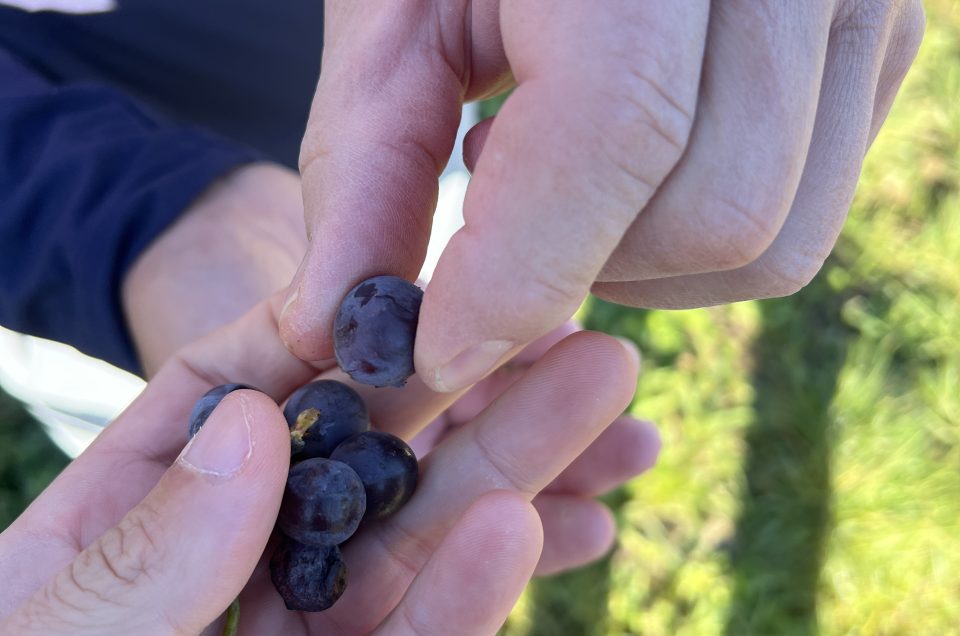
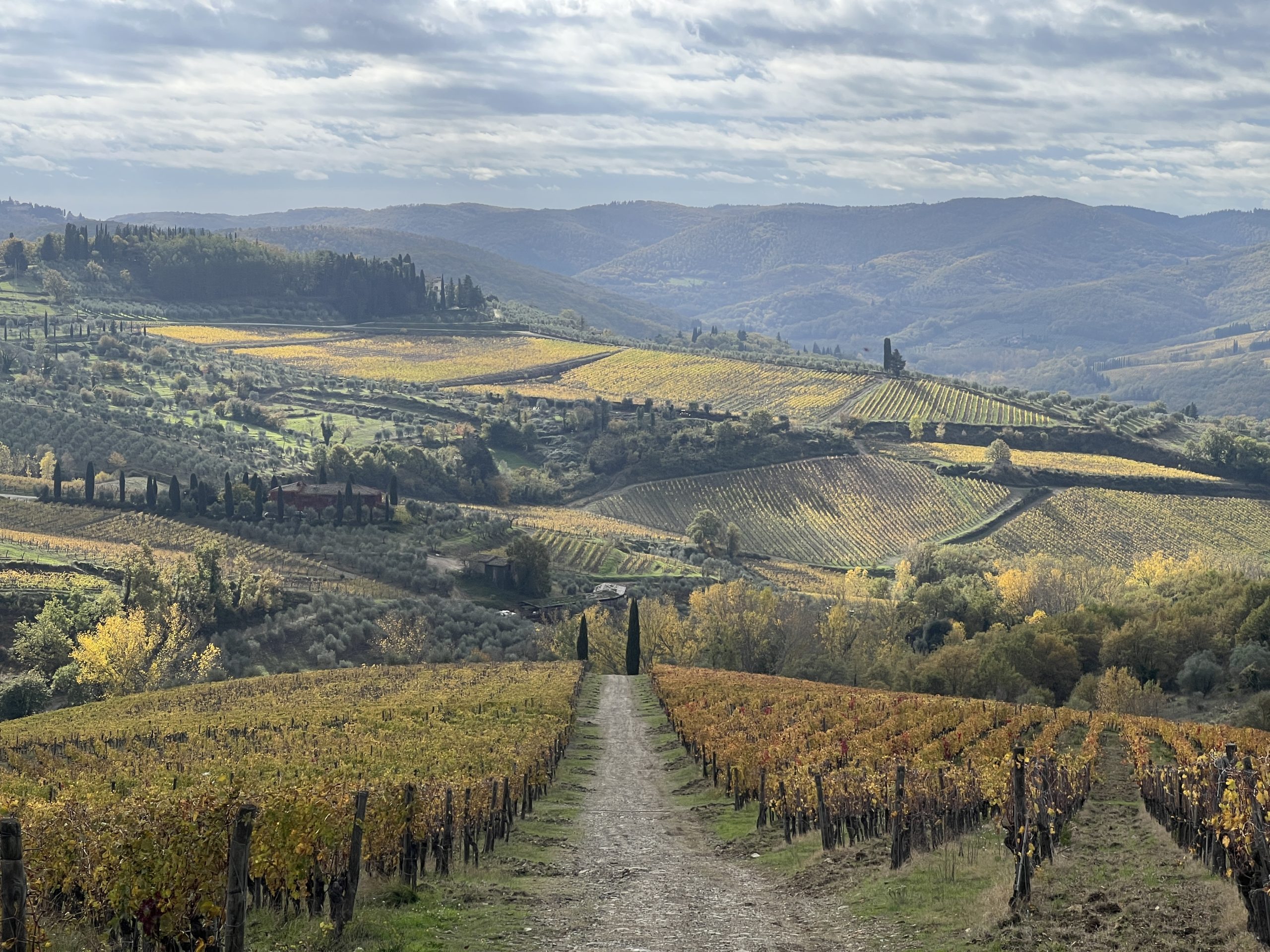
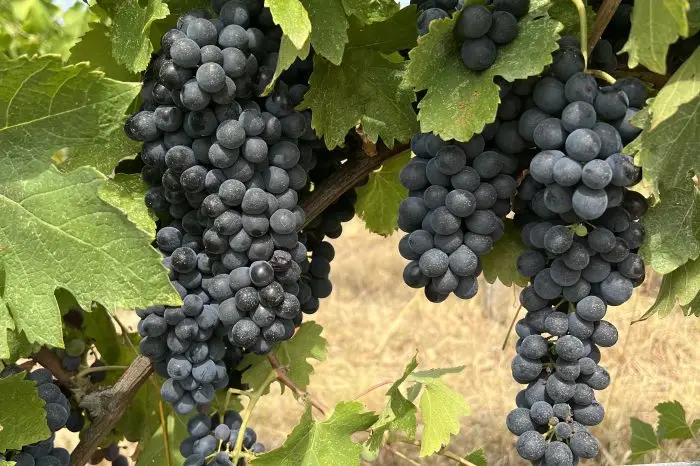
By late August, the vineyards around Greve and Panzano start to look different. Leaves thin out just enough to reveal heavy bunches of Sangiovese. Pickers begin scouting rows for the first ripe blocks. In short, this is the build-up to the grape harvest in Tuscany, known locally as la vendemmia. It changes the rhythm of the whole Chianti countryside for roughly six weeks. Tractors hauling crates through narrow lanes replace some of the tour buses idling outside the bigger wineries. So if you time a Florence trip around this window, you see the region doing real work, not a show staged for visitors.
Of course, the harvest is not a single event with one starting gun. Instead, it moves across Tuscany over several weeks, region by region. Therefore, knowing roughly when and where it happens near Florence matters. That knowledge is the difference between watching real vineyard work and just seeing empty rows.
What Is La Vendemmia, Tuscany's Grape Harvest?
La vendemmia simply means "the grape harvest" in Italian, and Visit Tuscany lists it among the region's most fascinating seasonal experiences. Every autumn, growers across Chianti, the Valdarno, and further south toward Montalcino pick their grapes by hand or machine. They then move them quickly to the cellar before fermentation begins. For small, family-run estates, this remains genuinely hard, time-pressured work. Pickers often start at dawn, since grapes handle better in cooler temperatures.
Some larger wineries also run grape-stomping demonstrations for visitors, complete with barrels and bare feet. These can be good fun. However, they are usually a staged activity built for tour groups. The actual crush usually happens elsewhere on the estate, out of sight. So it helps to know the difference before you book anything.
When Does the Grape Harvest Happen in Tuscany in 2026?
Timing depends on grape variety, altitude, and location. Coastal zones such as Bolgheri and the Maremma typically begin first, often in late August. Meanwhile, Chianti Classico usually peaks during the second and third weeks of September. A warm year can pull that forward slightly. Further south, Montalcino's slower-ripening Sangiovese Grosso, used for Brunello, often stretches picking into late October.
For a Florence-based trip, early-to-mid September is the sweet spot for the grape harvest in Tuscany. You catch the Chianti hills at their busiest and most active. Meanwhile, the light is still warm, and the countryside has not yet gone fully quiet for autumn.
Climate Change Is Pushing the 2026 Harvest Earlier
This year, however, adds an unusual twist to the usual vendemmia calendar. Intense heat and prolonged drought accelerated ripening across the region, and Coldiretti Toscana confirms the 2026 harvest began roughly ten days ahead of a typical year. As a result, early-ripening varieties destined for sparkling wine bases, such as Chardonnay and Pinot Nero, were already being picked in mid-August, weeks before Tuscany's red grapes normally start.
Sangiovese, the backbone of Chianti, usually waits until deep September. This year, though, producers around Gambassi Terme and Montespertoli expect it in late August or early September instead. A national Coldiretti analysis frames 2026 as one of the earliest Italian grape harvests on record. Smaller, more concentrated berries bode well for quality, though water stress is expected to cut yields by 15 to 20 percent on some estates. In short, earlier harvests are now simply part of planning a trip, not a one-off exception.
Where to Watch Real Harvest Work Near Florence
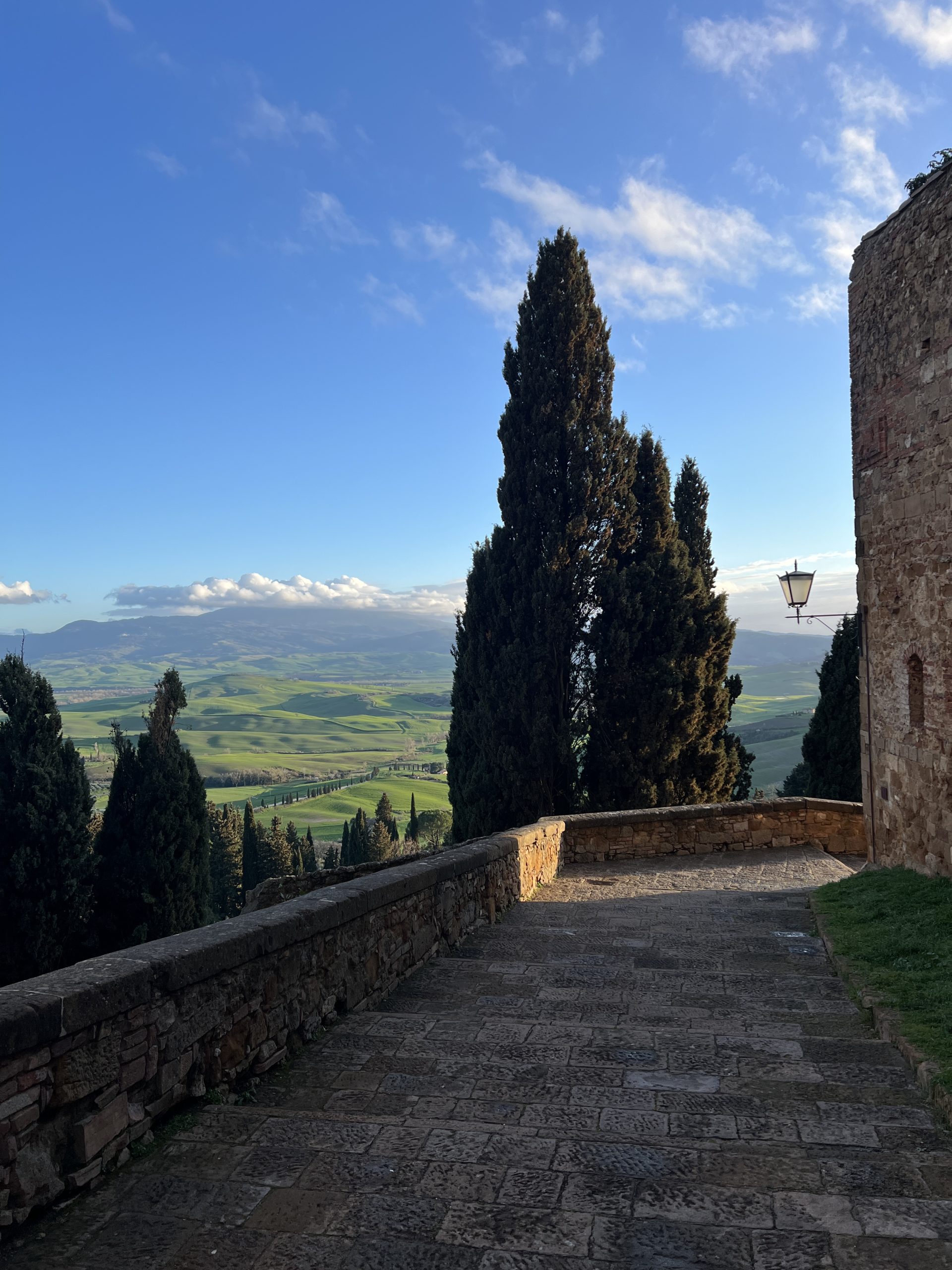
Chianti sits closest to the city. It is also where the grape harvest is easiest to see in person. Greve in Chianti is roughly 28 kilometres from Florence, about a 30-minute drive. Panzano sits a little further into the hills, around 35 kilometres away, closer to 40 minutes. Indeed, both towns are surrounded by working vineyards rather than showcase estates.
Chianti also happens to be one of the most heavily bus-toured stretches of countryside near Florence. Coach groups move through it on tight winery-and-lunch schedules most of the year. During harvest weeks, though, the difference is obvious. Instead of choreographed tastings, you see actual crates of grapes being weighed, sorted, and loaded. A slower, small-group visit shows you that working side of Chianti, not just the postcard view.
Expo Chianti Classico 2026: Time Your Trip Around Greve's Harvest Festival
If your dates allow it, the 54th Expo Chianti Classico runs from September 10 to 13, 2026, in Greve in Chianti's Piazza Matteotti. Nearly every Chianti Classico producer sets up its own booth in the historic square. Visitors can taste current releases alongside older vintages.
Besides the wine itself, expect local olive oil, cheese, and other regional food stalls, plus side events such as guided tastings and evening concerts. Since the Expo lands inside the main harvest window, a September trip built around it works well: taste last year's wine while this year's grapes come in nearby.
How to Actually Join a Grape Harvest
Picking grapes yourself is possible, but it takes some planning. In fact, small family estates and agriturismi are far more likely to welcome a guest into the vineyard than a large commercial producer. Big estates usually run the harvest on a strict schedule with a trained crew. As a result, the best approach is to ask directly, well before your trip. Do not assume any winery will say yes on short notice.
Worth knowing before you agree to anything: real picking is repetitive, back-breaking work spent bent over vines in the sun. Indeed, it is memorable, but it is not glamorous. On the other hand, a staged grape-stomping session guarantees a fun photo, but it tells you very little about how the harvest actually works.
- Ask your accommodation directly whether the estate, or a neighbouring one, allows guest picking that week
- Expect early mornings, since most real harvest work starts at first light
- Wear closed shoes and clothes you don't mind staining
- Treat a grape-stomping demonstration as entertainment, not as the harvest itself
A Bonus Evening: Festa della Rificolona Falls the Same Week
Anyone in Florence around September 7, 2026, should also catch the Festa della Rificolona. In fact, this is the city's paper-lantern festival, tied to the eve of the Virgin Mary's Nativity. A procession sets out from Impruneta in the early evening. It crosses Ponte Vecchio, then continues through Piazza della Signoria and the Duomo, before ending near Piazza Santissima Annunziata.
Locals and children carry handmade paper lanterns on long poles through the historic centre. This tradition has nothing to do with the harvest directly. Still, it lands in the same week as the earliest Chianti picking. That makes for a natural pairing: vineyards by day, lantern-lit streets by evening, all within a single short trip.
Why September Beats August for This Trip
Temperatures drop noticeably once September arrives. August in Tuscany averages around 30°C, while September settles closer to 25°C. Meanwhile, daytime highs generally sit between 22 and 28°C, with cooler evenings around 14 to 18°C. That five-degree swing matters more than it sounds on a day spent walking vineyard rows or wandering Florence on foot.
Crowds also thin out a little once the August rush passes, particularly on weekdays. Consequently, September offers a rare combination for the region. Expect comfortable walking weather, real agricultural activity in the vineyards, and a city that has started to exhale after its busiest month.
Beyond the Vineyard: Fill the Rest of Your Days Outdoors
A harvest-season trip does not need to revolve around wine alone. Florence itself rewards a walk away from the main sights. For instance, our Florence urban hikes cover routes through neighbourhoods most visitors never reach on foot. Alternatively, our sustainable hiking, gravel-biking, and wine experiences put small groups directly into the Chianti countryside during harvest season, rather than on a fixed coach itinerary.
Prefer the water to the hills? A short evening on the Arno offers a completely different view of the city. Our Florence boat and wine tour pairs well with an afternoon spent in the vineyards. Both run at a small-group pace built around conversation, not a schedule board. For a curated list of where to eat and drink once you're back in the city, see our Florence Off the Beaten Path: From Real Locals map.
Frequently Asked Questions
When is the grape harvest in Tuscany in 2026?
It varies by area. Coastal zones like Bolgheri and the Maremma often start in late August, Chianti Classico typically peaks in the second and third weeks of September, and Montalcino's Brunello grapes can continue into late October.
Can tourists pick grapes during the harvest in Chianti?
Sometimes, though it depends on the estate. Small family-run wineries and agriturismi are the most likely to allow it, provided you ask ahead of time. By contrast, large commercial producers rarely invite guests into a working harvest crew.
What is Expo Chianti Classico?
Expo Chianti Classico is an annual wine festival held in Greve in Chianti's Piazza Matteotti, where local producers pour their current releases. The 2026 edition runs from September 10 to 13.
Is September a good time to visit Florence and Chianti?
Yes. Temperatures cool from around 30°C in August to about 25°C in September, crowds thin slightly after the August peak, and the timing overlaps with the earliest grape picking in the Chianti hills.
What is Festa della Rificolona?
Festa della Rificolona is Florence's paper-lantern festival, held on the evening of September 7 to mark the eve of the Virgin Mary's Nativity. Then, a procession moves through the historic centre, ending near Piazza Santissima Annunziata.
Do I need a car to see the grape harvest near Florence?
Not necessarily. Greve in Chianti and Panzano are both reachable by car in under 40 minutes from Florence, but a small-group tour is often easier than self-driving on narrow, unfamiliar country roads during a busy harvest week.
Is climate change affecting the grape harvest in Tuscany?
Yes. Coldiretti Toscana reports the 2026 harvest started roughly ten days early after months of heat and drought, with Sangiovese following in late August rather than its usual late-September timing. Producers expect lower yields, even as early signs point to good quality.
Want to see the grape harvest in Tuscany without a coach-schedule wine tour? Our sustainable hiking, gravel-biking, and wine experiences run in small groups through the Chianti countryside right through harvest season. Prefer the river instead? Try our Florence boat and wine tour. Browse everything we offer on our homepage, or reach out through our contact form or at info@outoftheboxflorence.com to plan your visit.
This article was drafted with AI assistance and reviewed by our team before publishing, in line with EU AI Act transparency requirements (Article 50). All route, safety, and pricing details were independently fact-checked against official and local sources.