
Microbreweries in Tuscany: A Local's Craft Beer Guide (2026)
Reading time: 9 minutes · Last updated: July 26, 2026
Tuscany counted 86 agricultural breweries in 2015. By 2022, that number had reached 286, more than tripling, according to the region's own Craft Beer Observatory at the University of Florence. Wine still runs this region, of course. However, its craft beer scene has quietly grown into something worth a real detour. This guide to microbreweries in Tuscany covers ten small, independent producers. They range from a converted farmhouse in Florence's Oltrarno to a working grain farm in the Val d'Orcia. All of them welcome visitors, and none of them need a bus tour to reach.
Two of these breweries sit inside Florence itself. The rest are scattered further out. You will find them in the Chianti hills, the countryside near San Gimignano, the plain toward Empoli, the hills around Lucca, and the deep Sienese countryside. Consequently, visiting microbreweries in Tuscany usually means picking one direction first. Pair a stop or two with a slower day outdoors instead of treating beer as an entire itinerary on its own. Indeed, most of the breweries below did not exist twenty years ago, so this whole scene is still finding its shape.
Why Microbreweries in Tuscany Deserve a Detour From the Wine Trail
Nearly 90% of Tuscany's breweries employ five people or fewer. That is a genuinely small-scale industry, still figuring itself out. Meanwhile, the number of brewing enterprises in the region grew from 60 to 95 between 2015 and 2022. Employment in the sector rose by 90% over the same period. In fact, almost half of Italy's craft breweries use locally grown barley and hops. Tuscan agricultural breweries push that share even higher, since the law requires it for anything labelled "agricultural." As a result, many of these places grow their own grain, brew it a short walk away, and pour it for anyone who shows up.
According to the same regional research, 84% of Tuscan breweries already welcome visitors. Nearly three-quarters offer tours of the brewery and its hop gardens. About a third even pair tastings with local food. Overall, that hospitality is unusual for such a young, small-scale industry. It is a lot of open doors for a sector barely a decade into its growth spurt.
Microbreweries in Tuscany: Florence and Just Outside the City
Florence is not an obvious beer town, yet it has two microbreweries worth seeking out. Birrificio Oltrarno sits on the Marignolle hill, a few hundred metres from the old city walls near Porta Romana. Indeed, the brewery grew out of a 9-hectare organic farm. Its taproom occupies a fifteenth-century cellar under Villa Strozzi Machiavelli, and the same estate also produces its own honey and saffron.
Meanwhile, in San Frediano, RIONE Brewpub brews its nine house beers on-site, with the tanks visible from the dining room. It is the only brewpub in the city producing beer where it serves it. Just past the city limits, in Bagno a Ripoli, Birrificio Fiorentino has been brewing since 2013. Two friends started it with a simple goal: a genuine, additive-free beer made close to home. If you need a coffee or a bite in Florence before heading out, our Florence Off the Beaten Path: From Real Locals map covers spots we would actually send a friend to.
Microbreweries in Tuscany: The Chianti Countryside
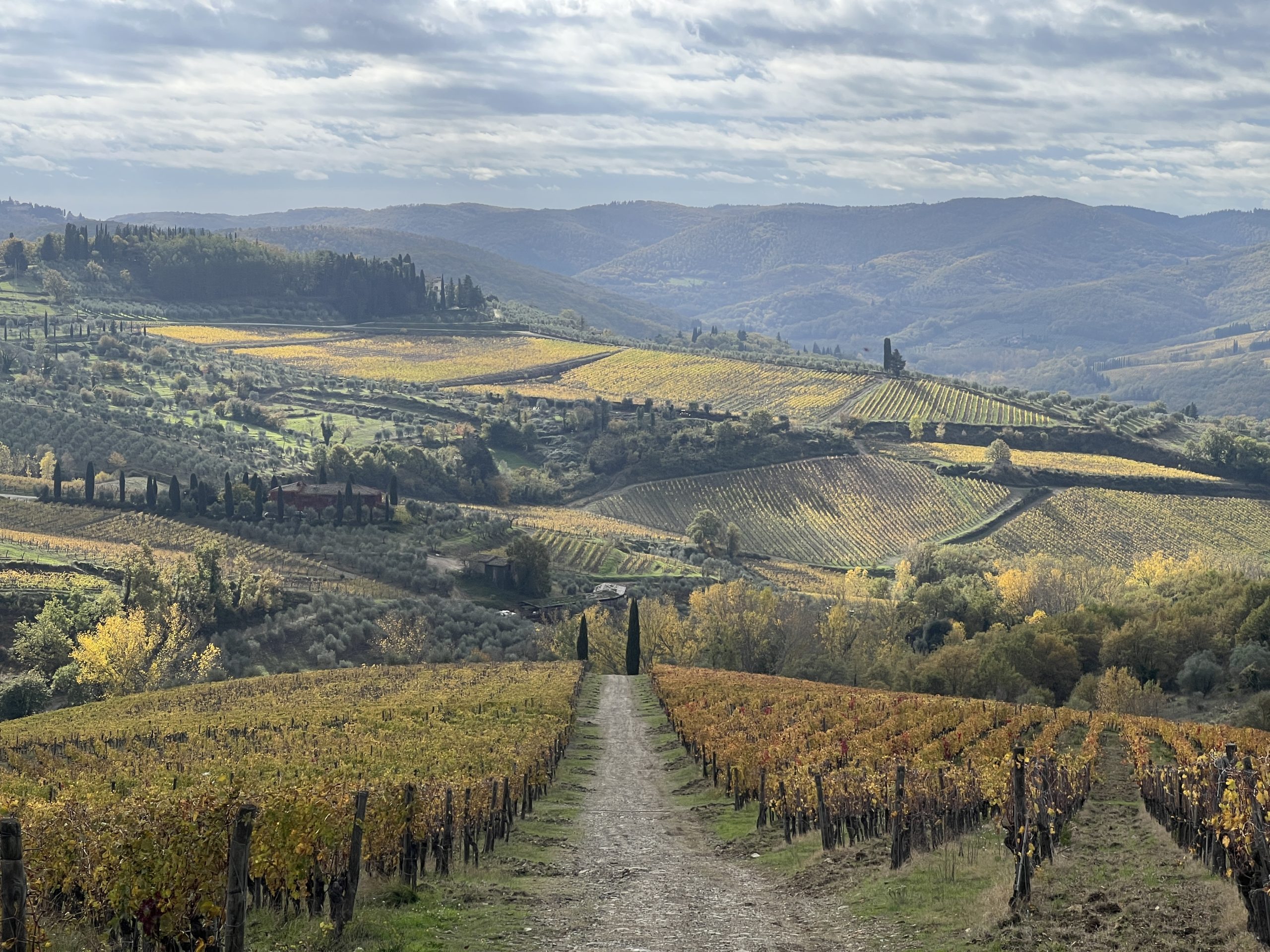
Chianti built its name on Sangiovese, so brewing beer here still counts as a small act of rebellion. Chianti Brew Fighters, based in Radda in Chianti, pulled it off anyway. The brewery runs a taproom in Radda and a separate pub in central Florence. It also belongs to Unionbirrai, Italy's association for independent craft producers.
Nearby, in San Donato in Poggio, Birrificio Math takes its name from founder Mathieu Ferré. In fact, he launched the brewery in 2011, right in the heart of the Chianti hills. Both breweries sit close enough to the region's vineyard roads that a cyclist could reasonably visit one on a day already built around Chianti's countryside.
Microbreweries in Tuscany Near San Gimignano and the Via Francigena
In Barberino Tavarnelle, close to San Gimignano's towers, Birrificio San Gimignano calls its brewers "pilgrims" for a reason. The brewery sits along the Via Francigena, the historic pilgrim route to Rome. Its beers use organic, locally sourced ingredients, and one, the Pellegrino, takes its name directly from that route. Direct sales run Wednesday through Friday, from 10 a.m. to 6 p.m. Plan a visit around that window if you want to buy straight from the source rather than a shop.
Microbreweries in Tuscany West of Florence and Around Lucca
Toward Empoli, in the town of Vinci, Baus Beer produces a genuinely wide range of styles. Expect a blonde ale, a blanche, an American pale ale, a white IPA, a dubbel, and an imperial stout, among others. It remains a small, family-run operation, with regular weekday opening hours for direct sales at the brewery itself.
Further north, near Lucca, Radical Brewery grows its own barley, hops, and cereals on a dedicated farm. The brewery then brews them into unfiltered, unpasteurised beer. It runs a 16-hectolitre plant with nine fermenters and uses isobaric fermentation, a far more controlled process than most small producers bother with. Even so, the philosophy stays simple: grow it, brew it, and keep the supply chain short. Both breweries in this section reward a slower detour off the main Florence-Pisa road, rather than a quick stop on the way to somewhere else.
Microbreweries in Tuscany's Sienese Countryside
Deep in the Crete Senesi, near Rapolano Terme, La Stecciaia holds a genuine first. It was Italy's first certified organic agricultural brewery. The farm behind it, Podere del Pereto, has grown organic cereals since 1997, long before the brewery itself existed. Visits and guided tastings are available by appointment, right where the beer is actually made.
Further south, in San Quirico d'Orcia, Birrificio San Quirico brews inside the Val d'Orcia, a landscape that earned UNESCO World Heritage status in 2004. Founded in 2008, the brewery avoids preservatives and artificial additives entirely. One of its beers, Catharina, even borrows its spice blend from Siena's own Panforte: pepper, cinnamon, nutmeg, and cloves.
How to Visit Tuscany's Microbreweries Without a Bus Tour
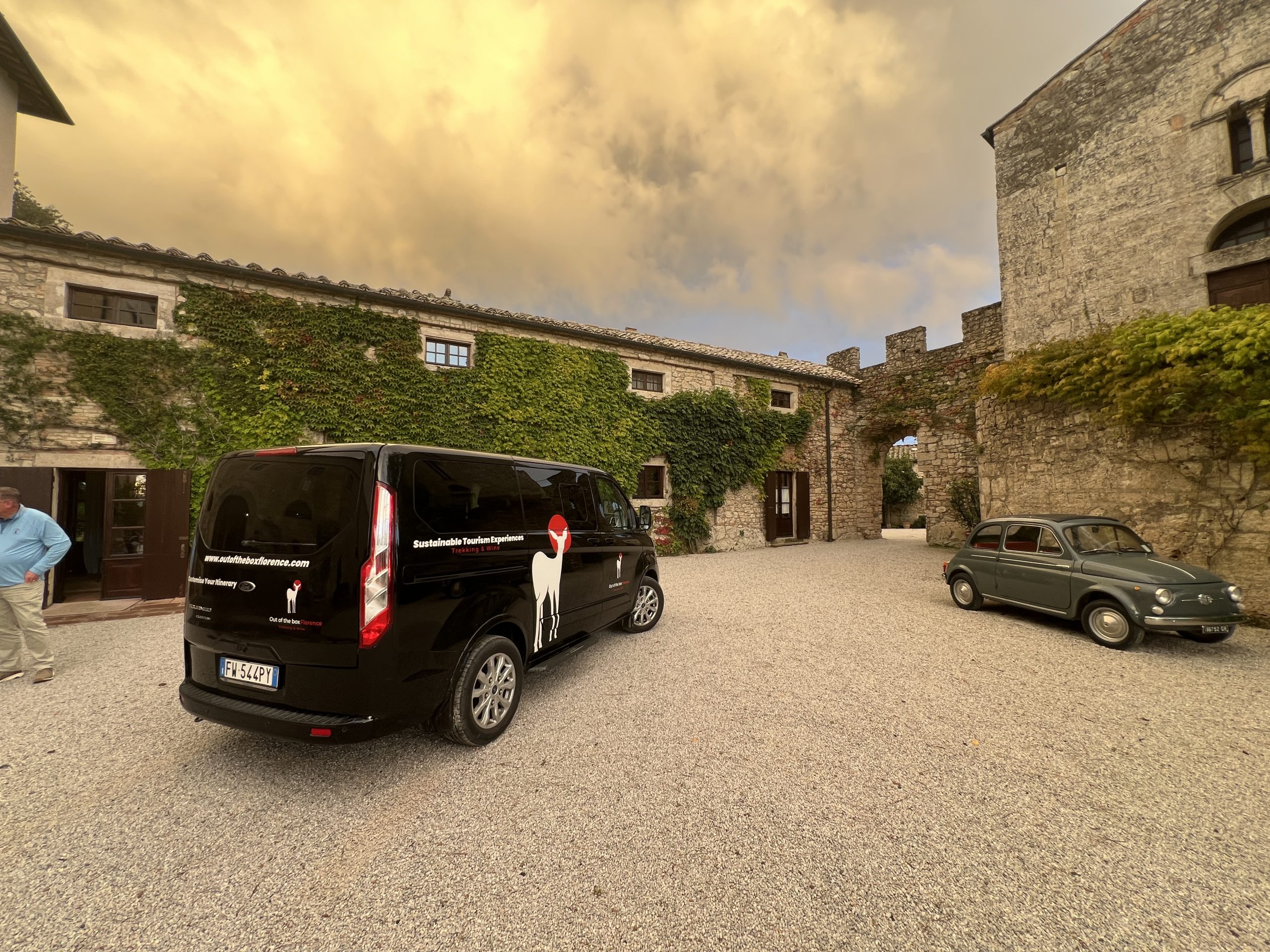
A fifty-seat coach cannot stop at a farm brewery for an unhurried chat with the brewer. Therefore, the better approach is a private one. Most of the custom day trips we run from Florence still focus on wine. That is simply what most guests ask for first. However, the same private vans and licensed guides can build a day around breweries instead. Mixing wine and beer into one itinerary works just as well. Consequently, swapping a winery stop for a brewery is simply a matter of asking. The same goes for adding one alongside a usual Chianti cellar visit. That flexibility is something a fixed group tour, wine-only or otherwise, cannot offer.
- Ask for a private van day instead of a bus tour, so the driver can adjust the route between breweries on the fly
- Request a brewery swap on any of our usual wine-focused itineraries, since the same vans and guides can go either way
- Call or email the brewery itself first, since most of these are small operations without daily public hours
- Mix two or three stops with a slower countryside day instead of rushing between every brewery on this list
Frequently Asked Questions
How many microbreweries are there in Tuscany?
Tuscany had 286 agricultural breweries by 2022, up from 86 in 2015. Overall, counting microbreweries, brewpubs, and beer farms together, the region hosts almost 100 craft beer producers.
What makes a beer "craft" in Italy?
Under Italian law, craft beer cannot be pasteurised or microfiltered. It must also come from an independent brewery producing no more than 200,000 hectolitres a year. Most of the microbreweries in Tuscany covered here are far smaller than that limit.
Are there microbreweries inside Florence itself?
Yes. Birrificio Oltrarno brews on the Marignolle hill near Porta Romana, and RIONE Brewpub produces its beer on-site in San Frediano. Birrificio Fiorentino sits just outside the city, in Bagno a Ripoli.
Can you visit these Tuscan microbreweries without a car?
It depends on the brewery. Florence's own microbreweries are walkable or a short taxi ride from the centre. The countryside breweries, including those in Chianti, the Val d'Orcia, and near San Gimignano, generally require a car or a bike and some advance planning.
Do Tuscan microbreweries offer tastings and tours?
Most do. Regional research found that 84% of Tuscan breweries welcome visitors, and about 73% offer tours of the brewery and hop gardens. Even so, always call or email ahead, since these are small operations, not tourist attractions with fixed hours.
What is an agricultural brewery, exactly?
An agricultural brewery grows a meaningful share of its own raw ingredients, usually barley or hops, on land it farms itself. Several breweries on this list, including La Stecciaia and Radical Brewery, fall into this category, which Italian law also recognises with its own dedicated rules.
What styles of beer do microbreweries in Tuscany make?
The range is wider than most visitors expect. Belgian-style blanches and dubbels sit alongside hoppy pale ales, IPAs, and farmhouse saisons. A few breweries flavour their beers with local ingredients instead, such as honey, saffron, or Panforte spices. Gluten-free and certified organic options are increasingly common too.
Want to see Tuscany's microbreweries by private van, not just its wineries? Our bespoke Tuscany tours are usually built around wine. However, the same private vans and licensed guides can take you between breweries instead, at whatever pace your group wants. Browse the rest of our tours, or get in touch through our contact form at info@outoftheboxflorence.com to build a brewery-focused day around your dates.