
Mushroom Foraging in Tuscany: A Local's Guide to Porcini Season (2026)
Reading time: 9 minutes · Last updated: August 30, 2026
Late August rain over Casentino means one thing to anyone who grew up here: check the forest floor by Thursday. Mushroom foraging in Tuscany runs on a rhythm most visitors never notice. Instead, it follows rainfall and warmth, not a printed calendar. By early September, market stalls in hill towns from Poppi to Arezzo start filling with porcini. Meanwhile, locals compare notes on which slope produced first. This guide covers where the season actually happens and which permit rules catch most visitors off guard. It also explains how to forage responsibly instead of guessing.
When Mushroom Foraging in Tuscany Begins
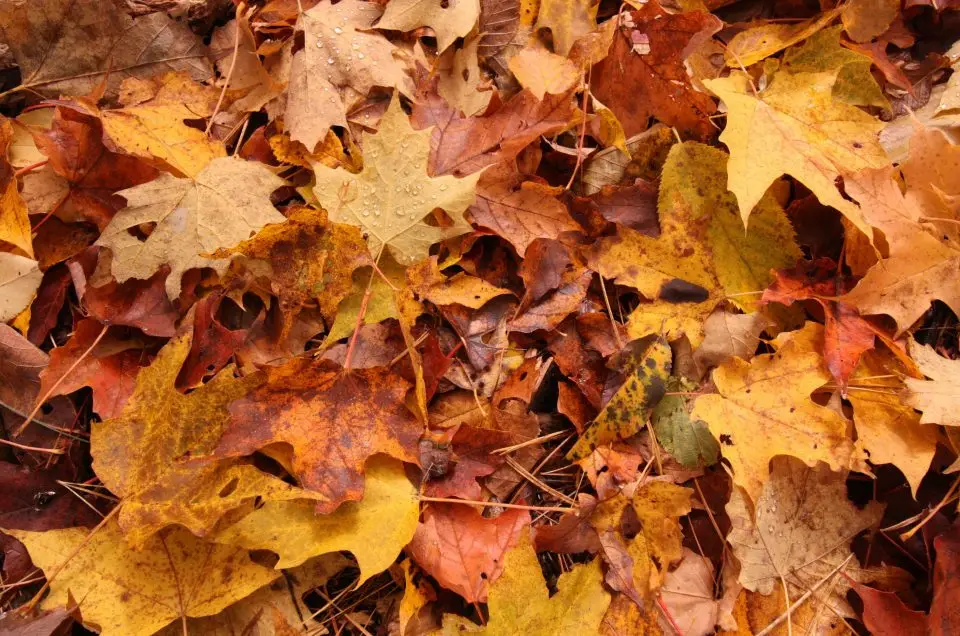
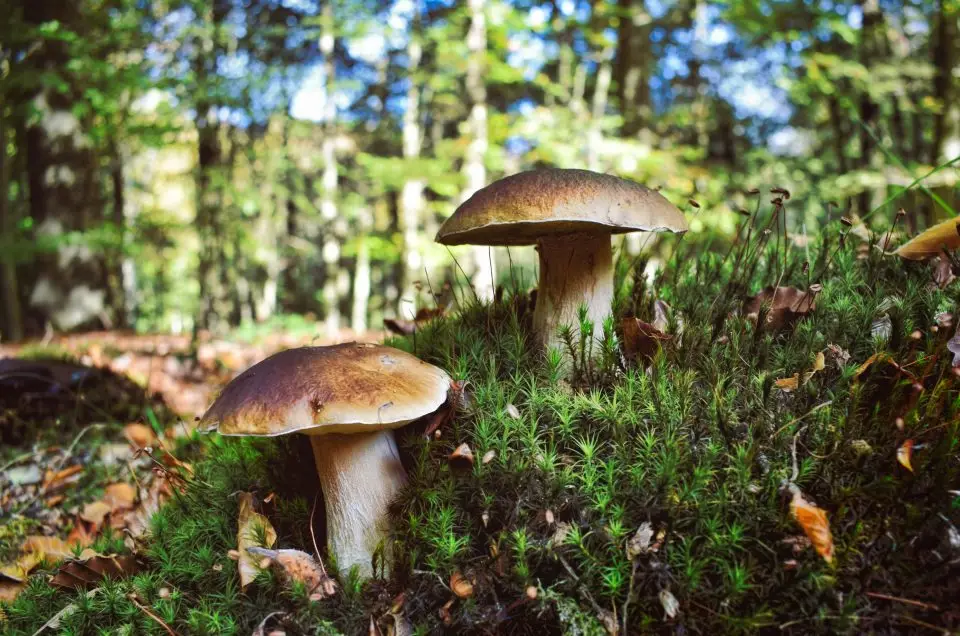
Porcini season generally runs from late August through October. Mid-September to late October is the prime stretch. The real trigger, though, is not a date at all. A good rain followed by a few warm, humid days does the trick. That combination pushes porcini up through the leaf litter. As a result, some years bring an early flush in late August, while others delay everything until October.
The Apennine forests of Casentino, Garfagnana, Mugello, and Monte Amiata all produce strong harvests in a typical year. Indeed, their beech, oak, chestnut, and fir woodland sits at the elevation porcini prefer. The season shifts with the weather, not a fixed date. So it is worth checking local conditions a few days ahead, instead of locking in a trip months in advance.
Where to Go Mushroom Foraging in Tuscany
Porcini favor woodland between roughly 400 and 1,500 meters. In fact, they grow there in symbiotic partnership with the roots of chestnut, oak, beech, and fir trees. That combination points visitors toward four main areas.
- The beech forests of Casentino, east of Florence toward Emilia-Romagna, count among Tuscany's most productive foraging ground.
- Similarly, Garfagnana's chestnut groves, in the province of Lucca, pair mushroom season with the region's chestnut harvest a few weeks later.
- Monte Amiata, the extinct volcano south of Siena, combines chestnut woods and beech forest at altitude. That mix is confirmed by Visit Tuscany's own guide to mushroom picking.
- In addition, Mugello, north of Florence, offers similar habitat within easier reach for a day trip from the city.
Inside the Casentino forest, one patch is off-limits to any picking at all: the Sasso Fratino integral nature reserve. Notably, it holds some of Europe's oldest beech trees, several over 500 years old. In 2017, it became part of a UNESCO World Heritage listing for ancient beech forests. No human activity is permitted there beyond scientific research. Admire it from a marked trail instead of stepping off-path.
The Permit Every Mushroom Forager Needs
Here is where most visitors trip up. Tuscany requires anyone who is not a resident of the region to buy a permit before picking a single mushroom. Furthermore, the rules differ depending on exactly where you plan to forage.
Across most of the region, the standard Tuscany regional permit applies, paid to the Region of Tuscany itself. Non-residents can choose from three options:
- EUR15 for one day
- A one-week pass runs EUR40
- An annual pass costs EUR100
However, the Foreste Casentinesi National Park runs its own separate system, and it catches many first-time visitors off guard. Inside the park, there is no day pass at all. Non-residents must instead buy an annual authorization for EUR65. Even then, picking is restricted to Tuesdays, Thursdays, Saturdays, and Sundays, according to the park authority's own regulations. So before committing to a forest, check whether it sits inside the park or on regional land outside it. The paperwork is genuinely different.
Both permits require you to carry photo identification alongside the payment receipt while you forage. Similarly, local comuni, tobacconists, and park visitor centers typically handle sales. It is worth sorting this out the morning you arrive, rather than assuming a permit is available trailside.
Forest Rules for Mushroom Foraging in Tuscany
Once you have a permit, a short set of rules governs how you actually pick. Tuscany caps collection at 3 kilograms of edible mushrooms per person per day. Also, picking is allowed only during daylight hours. Furthermore, rigid, well-ventilated baskets are required rather than plastic bags, since airflow lets spores scatter as you walk.
Always cut each mushroom cleanly at the base instead of pulling or raking it out. Tools that disturb the soil or the underground mycelium are prohibited for good reason. Consequently, damage there affects future seasons, not just this one. Also, respect any private land signage. A surprising amount of Tuscan woodland sits on family-owned parcels rather than public forest.
The Free Safety Net Most Foragers Skip
Even experienced foragers occasionally pick something they cannot confidently identify. Fortunately, Tuscany has a genuinely useful, free solution for exactly that problem. In fact, every local health authority, known as the ASL, runs a mycological inspection service. Trained experts there check your harvest for edibility at no charge.
Bring your mushrooms fresh, whole, and in a rigid basket to the nearest ASL office. Indeed, damaged specimens are harder to identify correctly. Some edible porcini have toxic look-alikes, and misidentification can cause serious illness. Therefore, treat this as a mandatory stop, not an optional extra, especially on a first trip into unfamiliar forest.
Why Solo Mushroom Foraging in Tuscany Isn't the Smart Move
Interestingly, this is one corner of Tuscan tourism that large bus tours simply do not touch. Coach operators cannot build a fixed, photogenic stop around this activity. In short, it depends on rain, season, and a forager's memory of specific slopes. That absence, though, cuts both ways. It also means fewer easy shortcuts for a first-time visitor trying to learn the terrain alone.
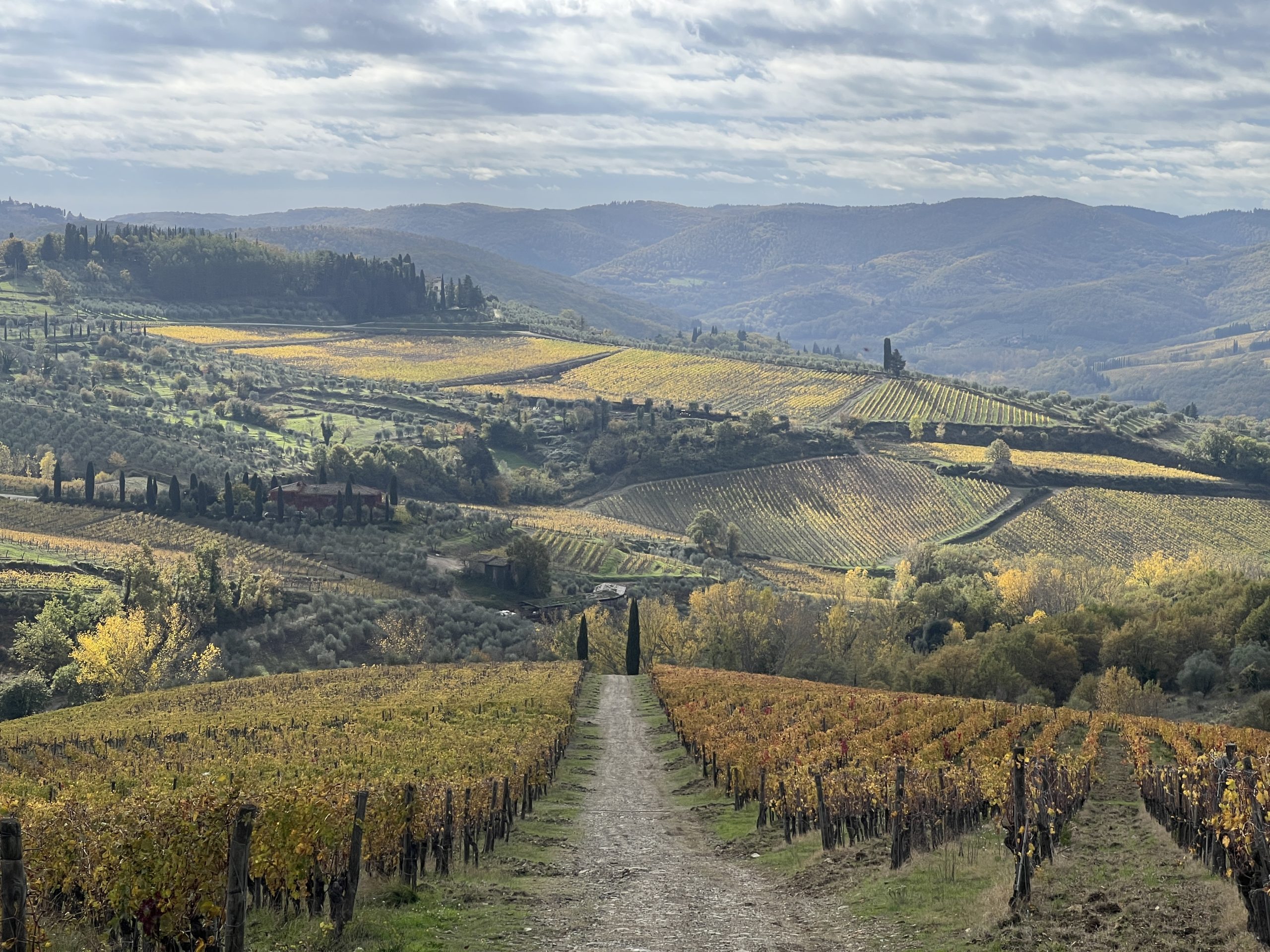
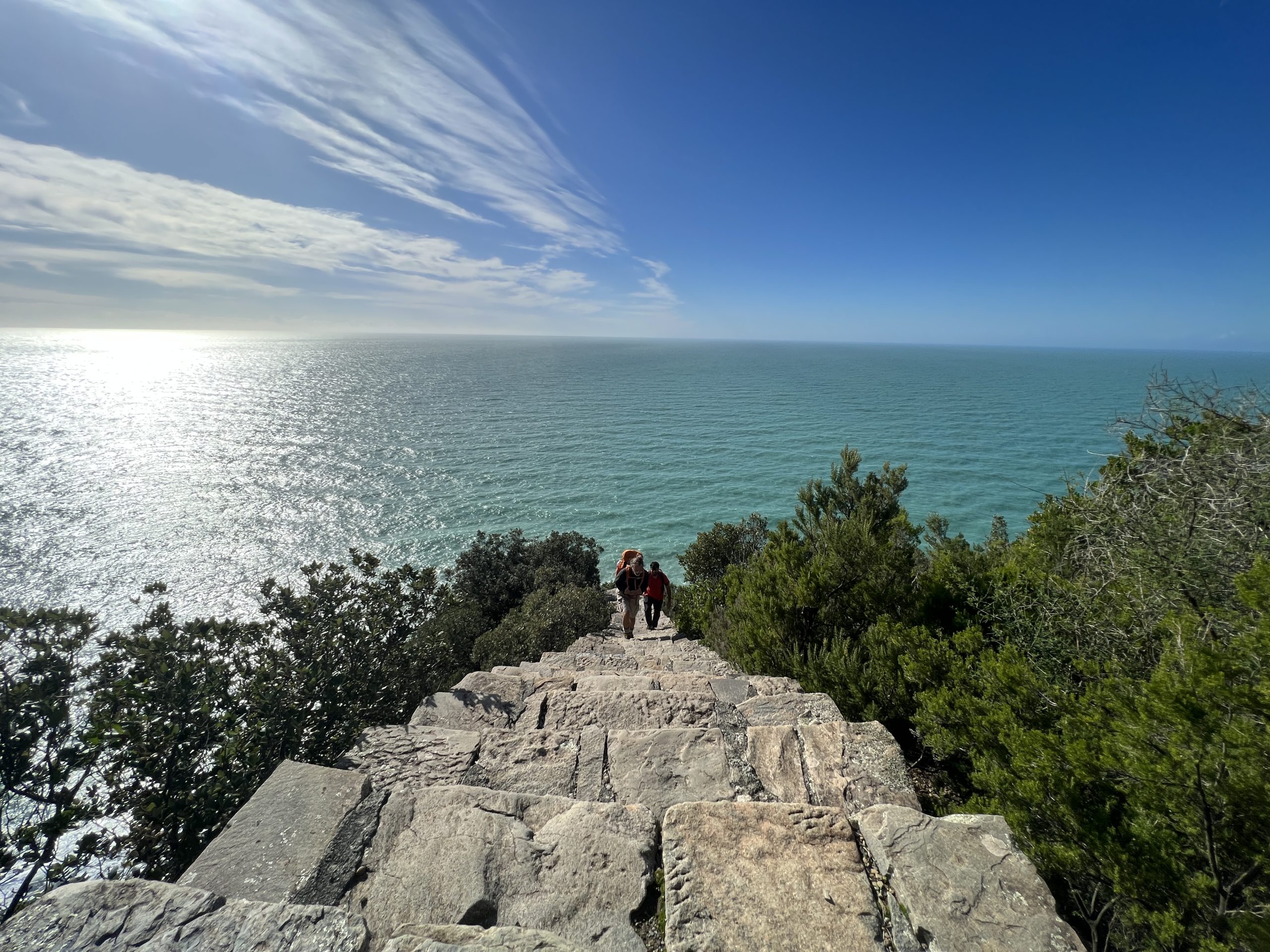
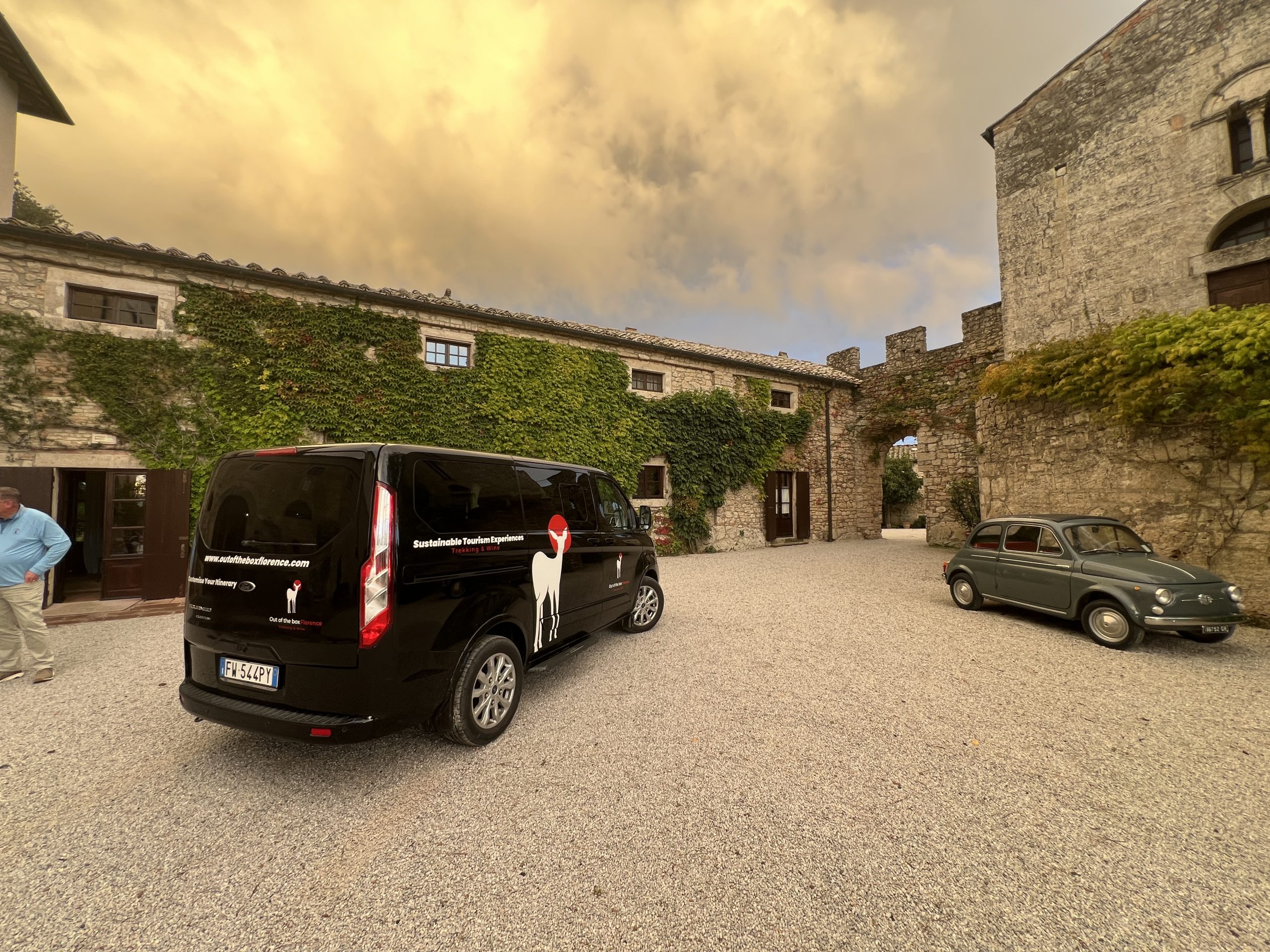
A local guide who forages regularly knows which forest produced last week. Of course, that beats guessing from a map alone. So pairing that knowledge with a hike through the same countryside makes sense. It beats wandering unfamiliar woodland with a basket and a guess. Meanwhile, our sustainable hiking and gravel biking experiences already run small groups through this exact countryside. We are happy to help you plan a foraging season visit timed to the right forest and the right week.
Bringing Your Harvest Back to Florence
Once you are back in the city, porcini season shows up on menus almost everywhere. Look for tagliatelle ai funghi porcini, or a simple sauté with garlic and parsley. Overall, a chalkboard specials list is usually a better sign than a laminated one. Seasonal porcini dishes rarely make it onto a printed menu that stays the same all year.
For a starting point that skips the guesswork, we keep a running, locally curated map. It is called Florence Off the Beaten Path: From Real Locals. Real neighborhood spots for a proper autumn meal fill the map, none of them chosen because a coach stops there.
Practical Tips for Mushroom Foraging in Tuscany
In short, a few extra details separate a good day out from a frustrating one. First, check the weather a few days ahead, not the morning of your trip. Porcini need that rain-then-warmth window to appear. Second, wear proper hiking boots and long trousers, as forest floors after rain get slippery and brambles are common.
Third, go early. Indeed, locals are often out by sunrise, and the best specimens disappear quickly once a productive patch is found. Finally, always carry your permit and ID. Park rangers and forestry police do check foragers on popular trails, particularly on weekends.
Frequently Asked Questions About Mushroom Foraging in Tuscany
When is the best time for mushroom foraging in Tuscany?
Porcini season generally runs from late August through October, with mid-September to late October considered the peak. Indeed, the exact timing shifts each year with rainfall and temperature.
Do tourists need a permit to forage mushrooms in Tuscany?
Yes. Non-residents need a regional permit: EUR15 for one day, EUR40 for one week, or EUR100 for one year. It is sold by the local comune or an authorized retailer.
Is the permit different inside the Foreste Casentinesi National Park?
Yes, significantly. The park sells only an annual authorization, priced at EUR65 for non-residents. Non-resident foraging is also limited to Tuesdays, Thursdays, Saturdays, and Sundays.
Is it safe to eat wild mushrooms I find myself?
Only once an expert has confirmed the identification. Tuscany's local health authorities, the ASL, offer a free mycological check for exactly this purpose. It is worth using every time.
Where are the best places near Florence for mushroom foraging?
Mugello, north of the city, offers the most convenient day trip. By contrast, Casentino, Garfagnana, and Monte Amiata all require a longer drive but rank among Tuscany's most productive forests.
How much can I legally pick in one day?
Tuscany's general limit is 3 kilograms of edible mushrooms per person per day. Collection is allowed only during daylight hours, with a rigid, ventilated basket rather than a plastic bag.
Plan Your Tuscany Foraging Season Trip
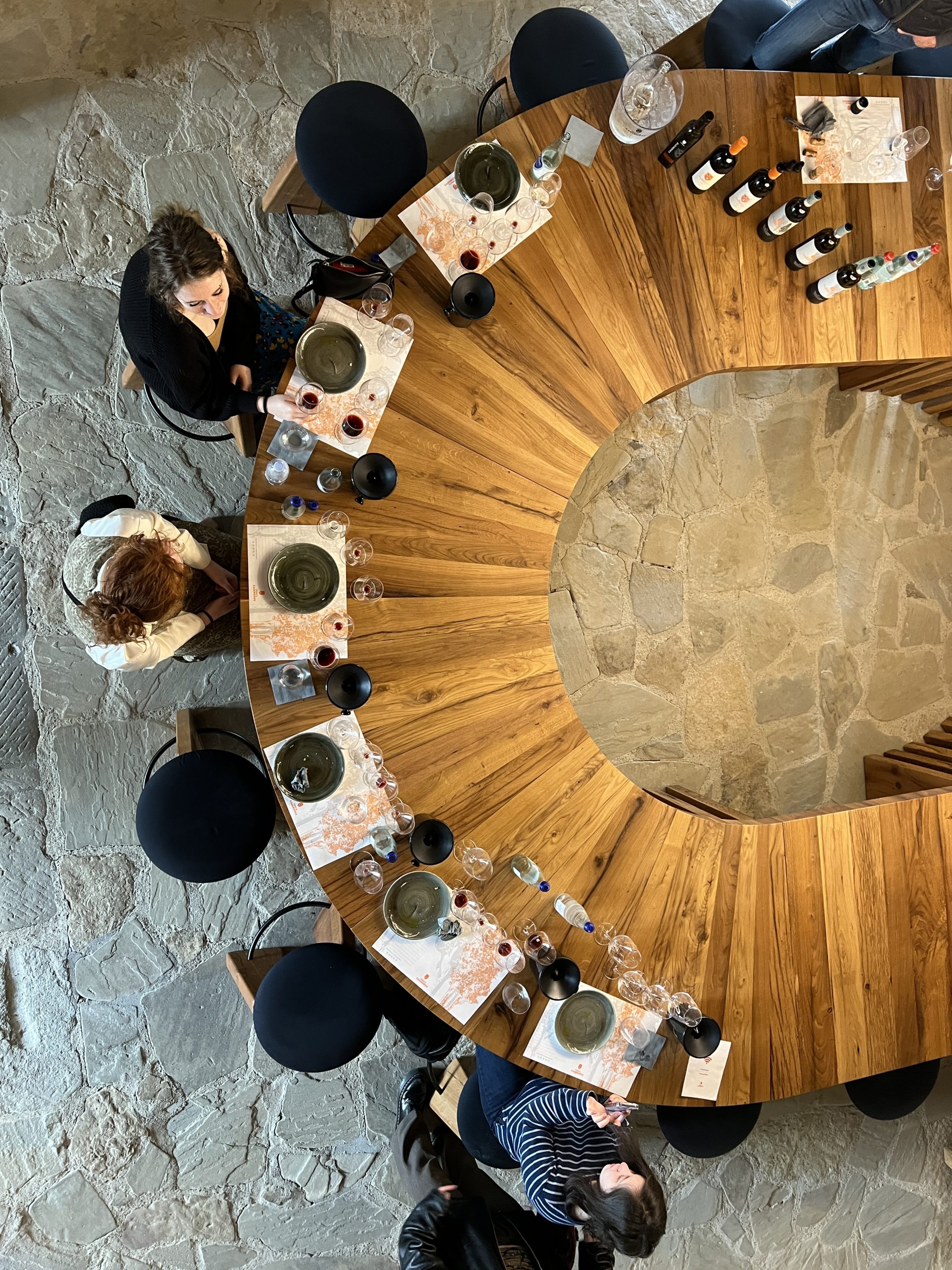
We build small-group countryside days around hiking, gravel biking, and Tuscany's real seasonal rhythms, never a fixed coach schedule. Explore our sustainable hiking and wine experiences, or start closer to the city with our Florence urban hikes. For the full current lineup, including our autumn wine and countryside days, browse all our Tuscany tours. Then reach out through our contact form or at info@outoftheboxflorence.com to start planning.
This article was drafted with AI assistance and reviewed by our team before publishing, in line with EU AI Act transparency requirements (Article 50). All seasonal, permit, and safety details were independently fact-checked against official park, regional, and public health sources.