
Chestnut Season in Tuscany: A Local's Autumn Guide
Reading time: 8 minutes · Last updated: October 25, 2026.
Short answer: chestnut season in Tuscany runs through October and November. For an easy day from Florence, head to the Mugello around Marradi. For a longer trip, add Garfagnana or Monte Amiata.
Espresso cups clatter at a village bar in the Mugello, and a sack of marroni waits by the door. Outside, the woods above town are turning copper. Welcome to chestnut season in Tuscany, the quiet autumn tradition that most visitors never see. While coaches queue for the Duomo, locals are heading uphill with baskets.
In this guide, we explain when the season runs, where to go, and what to eat. Moreover, we show how to enjoy it on foot, away from the crowds. As a small, locally-owned company, we run these hills all year, so we know them well.
What Is Chestnut Season in Tuscany, and When Does It Start?
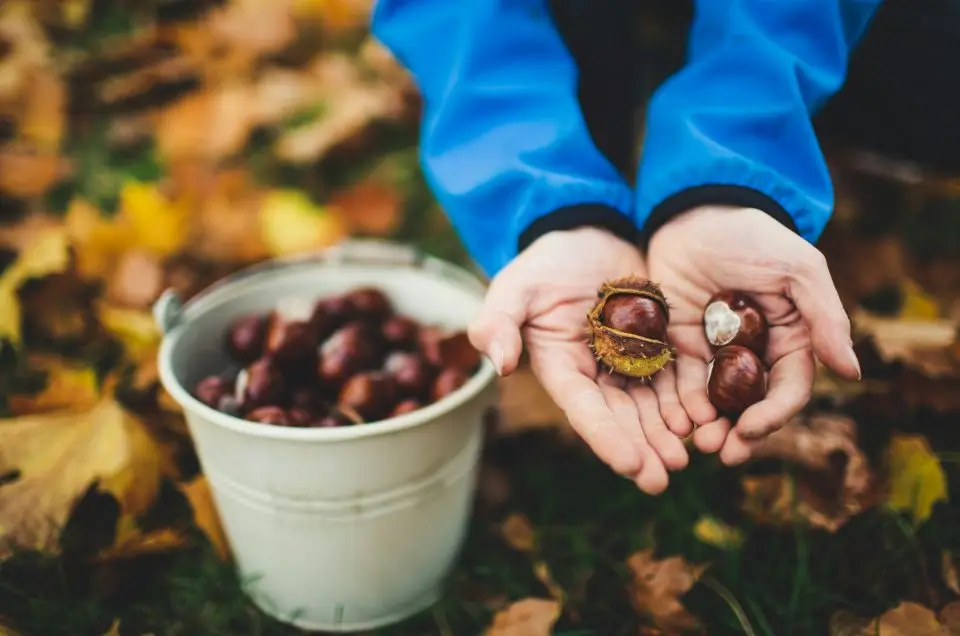
Chestnut season in Tuscany runs through October and November. According to the Mugello tourist board, harvest and hand selection of the local marrone usually happen in those two months. Early October brings the first nuts to market, so the opening weeks are the busiest.
However, the exact timing shifts with altitude and weather. Groves in the Mugello grow on hillsides between 300 and 900 metres. As a result, higher woods drop their nuts a little later than lower ones.
In short, late October is a sweet spot. The trails are open, the festivals are running, and the air is cool enough for a long walk. Therefore, it pairs well with a visit to Florence in the same week.
Why Chestnut Season in Tuscany Matters to Locals
For centuries, chestnuts fed the Tuscan mountains. Locals even called the tree "pan di legno," or bread from the wood, according to Visit Tuscany. Families dried the nuts, ground them into flour, and used it all year.
That history still shapes the region today. For instance, chestnut flour appears in cakes, pasta, soups, polenta, and bread. Furthermore, autumn chestnut festivals remain common across the Apennine villages.
Consequently, this season feels different from the postcard version of Tuscany. Nobody here stages it for visitors. Instead, it is a working harvest, and you are simply invited to watch.
Where to Find Chestnut Season in Tuscany: Four Protected Areas
Tuscany protects several chestnut products with European quality labels. Visit Tuscany lists five of them, and each points to a different corner of the region. Here are the ones worth knowing:
- Mugello (Marrone del Mugello IGP): The hills north-east of Florence, centred on Marradi, Palazzuolo sul Senio, and Dicomano.
- Garfagnana (Farina di Neccio DOP): The Serchio valley, famous for flour dried slowly over a low fire.
- Monte Amiata (Castagna del Monte Amiata IGP): The volcanic mountain in southern Tuscany.
- Lunigiana (Farina di castagna DOP): The far north-western corner, bordering Liguria.
Of these, the Mugello is the easiest to reach from Florence. In fact, it sits within the Florence province, so a day out is realistic. Meanwhile, Garfagnana and Amiata suit travelers with a few extra days.
The Marradi Chestnut Festival in 2026
Marradi hosts the best-known chestnut fair in the region. In 2026, the Marron Buono market ran on 4, 11, 17, 18, and 25 October, according to the Mugello and Visit Tuscany event listings. Stalls sell roasted chestnuts, tortelli, chestnut cake, and castagnaccio, while street musicians play in the historic centre.
Dates change every year, so always check with the local tourist office before you go. Since the 2026 edition is ending, plan next year's visit around the first Sundays of October.
What to Taste During Chestnut Season in Tuscany
Food is the heart of the season. Fortunately, the classics are simple, filling, and easy to find. Start with these:
- Castagnaccio: A flat cake of chestnut flour, water, olive oil, pine nuts, and raisins.
- Necci: Thin chestnut-flour crepes from the Pistoia and Garfagnana mountains, filled with fresh ricotta or chocolate.
- Chestnut polenta: A staple in Garfagnana and on Monte Amiata.
- Torta di marroni: A Mugello speciality linked to Marradi.
- Roasted chestnuts: Sold hot from street stalls, usually in a paper cone.
Naturally, you will want to eat well back in the city too. Our local team keeps a shared map of honest, non-touristy tables. You can browse it here: Florence Off the Beaten Path: From Real Locals.
As a rule of thumb, look for a short chalkboard menu and a queue of locals at 1 p.m. Likewise, skip any place with photo menus and a host waving you in. Those signs rarely lead to good food.
Hike Through the Woods in Chestnut Season in Tuscany
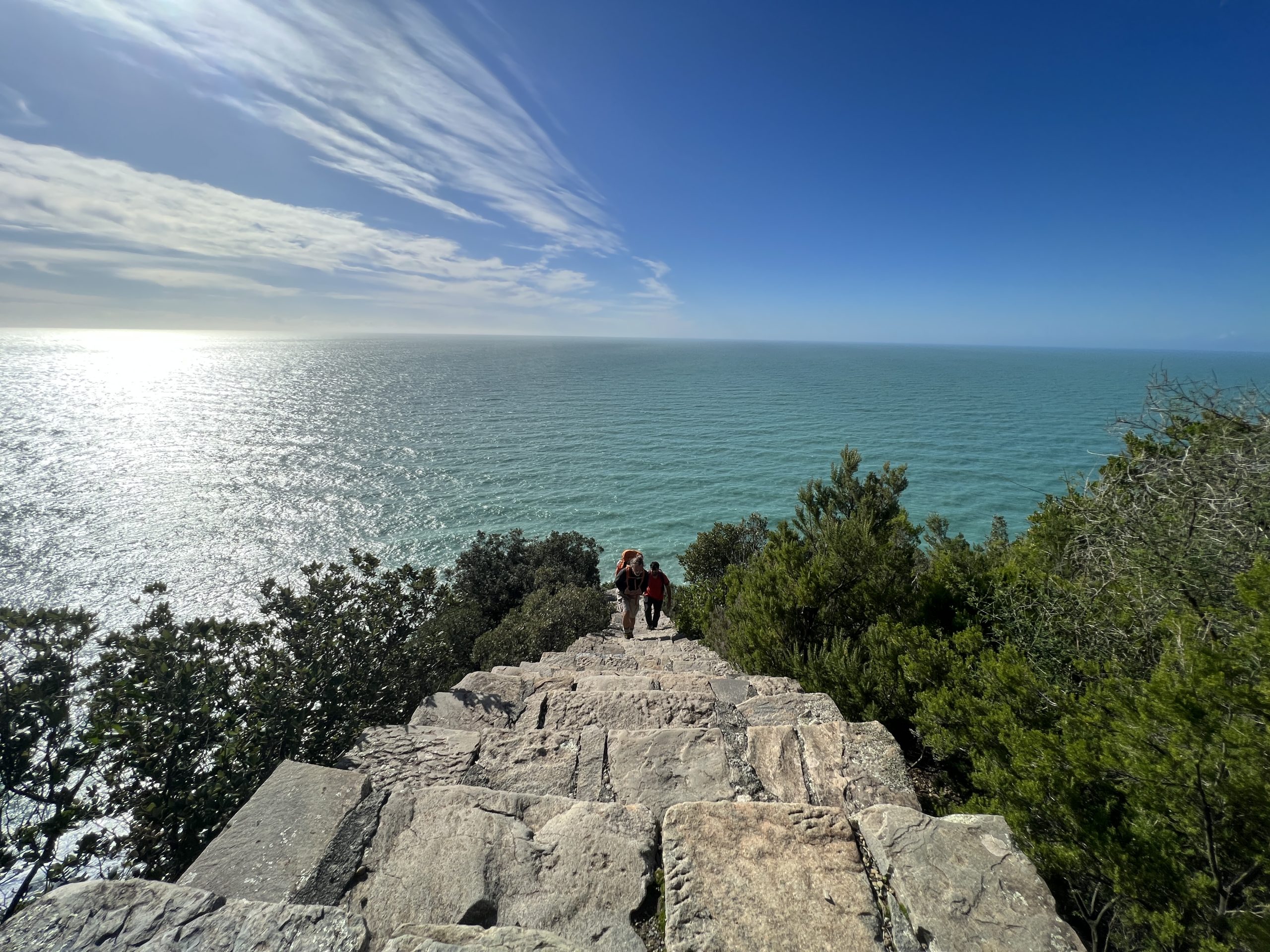
The best way to understand this season is on foot. Chestnut woods are open, shaded, and carpeted with leaves, so walking is easy and quiet. Besides, in our experience, the trails around Marradi feel quieter than the busiest Chianti routes.
Gravel cyclists also benefit. Dirt roads through the Apennine forests offer long, calm climbs, and autumn traffic is light. Indeed, the white roads of Tuscany feel completely different in October, with cool mornings and golden woods on both sides.
Pack layers, because temperatures drop fast under the trees. In addition, wear sturdy shoes, since fallen husks are spiny and leaves hide wet stones. Finally, never pick chestnuts on private land without asking first, because many groves are working farms.
Moreover, a slow pace rewards you here. Stop at a viewpoint, then listen to the woods for a minute. On a still afternoon, you may hear nuts dropping from the branches, and that sound says more about the season than any brochure.
Respect the Grove
Chestnut groves belong to families who depend on the harvest. Therefore, buy your nuts from a stall or a producer instead of filling your pockets. This simple habit keeps the tradition alive and the money local.
Slow Down: Skip the Coaches This Chestnut Season in Tuscany
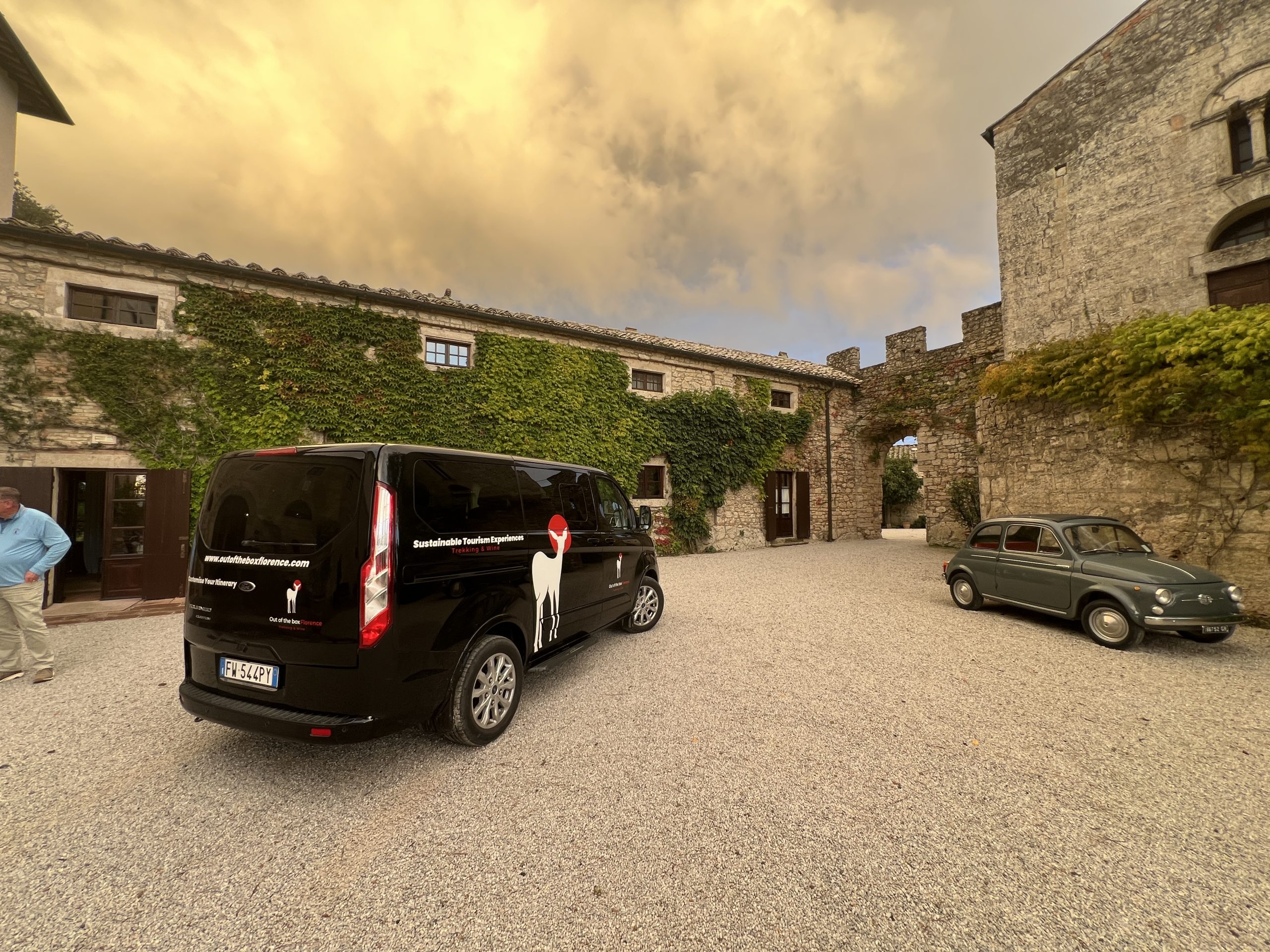
Winding mountain roads suit small vehicles far better than big coaches. As a result, a small group can reach quiet corners that mass-market itineraries tend to skip.
Instead, choose a small group or a private guide with local roots. Smaller groups walk quieter paths, talk with producers, and stay flexible when the weather changes. By contrast, a crowded coach tour moves on a fixed clock and rarely leaves the car park.
Back in Florence, base yourself in the Oltrarno, San Frediano, or Sant'Ambrogio. These neighbourhoods keep their everyday rhythm: bakeries open early, artisans work with doors ajar, and markets still serve residents first. Meanwhile, the dead centre around the Duomo is packed by 10 a.m.
If you only have a morning in town, try a walk with us. Our Florence urban hikes climb through hills and hidden lanes most visitors skip. Similarly, our sustainable travel experiences combine hiking, gravel biking, and wine with a low footprint.
Furthermore, leave room for the Florence side of the trip. After a day in the hills, a slow evening in the Oltrarno feels earned. For instance, you can wander the lanes after dinner, then fall asleep to nothing louder than a passing scooter.
Plan Your Chestnut Season in Tuscany Trip: Practical Tips
A little planning goes a long way. Use this short checklist before you leave:
- Check festival dates: Villages publish them each year, and they can change.
- Go on a weekend for the fairs: Marradi's market runs on Sundays, so arrive early.
- Travel by train or small group: Parking in small mountain villages can be tight, and roads are narrow.
- Bring cash: Carry some cash for the smaller stalls.
- Dress in layers: Woods are cooler and damper than the city.
Additionally, combine the trip with other autumn events. October and November also bring the olive harvest and fresh olive oil. Likewise, white truffle season is underway around San Miniato. For official regional information, see the Visit Tuscany guide to chestnuts and the Mugello guide to the Marrone IGP.
Frequently Asked Questions About Chestnut Season in Tuscany
When is chestnut season in Tuscany?
Chestnut season in Tuscany runs mainly through October and November. Harvest and hand selection of the Mugello marrone usually take place in those two months, and the nuts reach the market from early October.
Where is the best place to see chestnut season in Tuscany?
The Mugello is the easiest choice from Florence, especially around Marradi. Garfagnana and Monte Amiata are excellent too, although they need more travel time.
What is the difference between a chestnut and a marrone?
Marroni are a larger, sweeter type of chestnut, prized for desserts and roasting. The Mugello marrone, for example, has a protected IGP label and a white, crunchy, sweet pulp.
What should I eat during chestnut season in Tuscany?
Try castagnaccio, necci, chestnut polenta, and roasted chestnuts. In the Mugello, look for torta di marroni too.
Can I visit chestnut woods without a car?
Yes, with some planning. Marradi is reachable from Florence, and a small-group tour handles the logistics for you. Contact us and we will suggest a route that fits your dates.
Ready to Experience Chestnut Season in Tuscany With Locals?
We are a small, locally-owned team, and we love sharing the hills we grew up around. Whether you want a gentle walk, a gravel ride, or a slow day with wine on the Arno, we will build it around you. For example, take a look at our Florence boat and wine experience for a relaxed evening after a day in the woods.
Ready to plan? Send us a message through the contact form or email info@outoftheboxflorence.com. Alternatively, explore the full range of tours on the Out of the Box Florence homepage.
This article was drafted with AI assistance and reviewed by our team before publishing, in line with EU AI Act transparency requirements (Article 50). Harvest periods, protected labels and festival dates were checked against Visit Tuscany and Mugello tourism sources.