Tuscany Wine Regions – Episode 1: Chianti Classico
Welcome to the first episode of our guide to the Tuscany wine regions, a journey through the vineyards, villages, and traditions that make this land a wine lover’s dream.
We begin with perhaps the most iconic and internationally renowned of them all: Chianti Classico — the beating heart of Tuscan wine culture.
🍷 What is Chianti Classico?
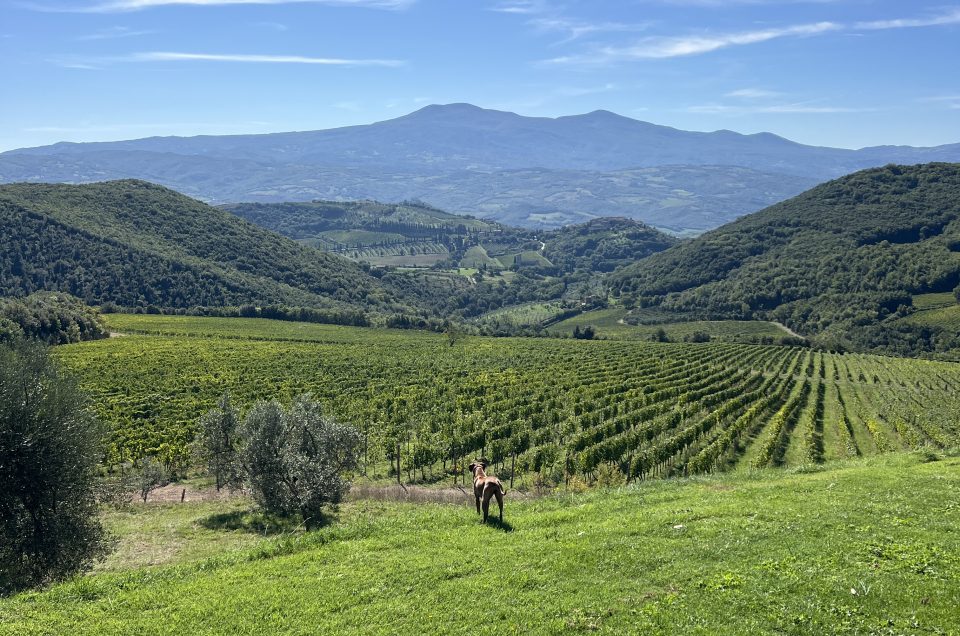
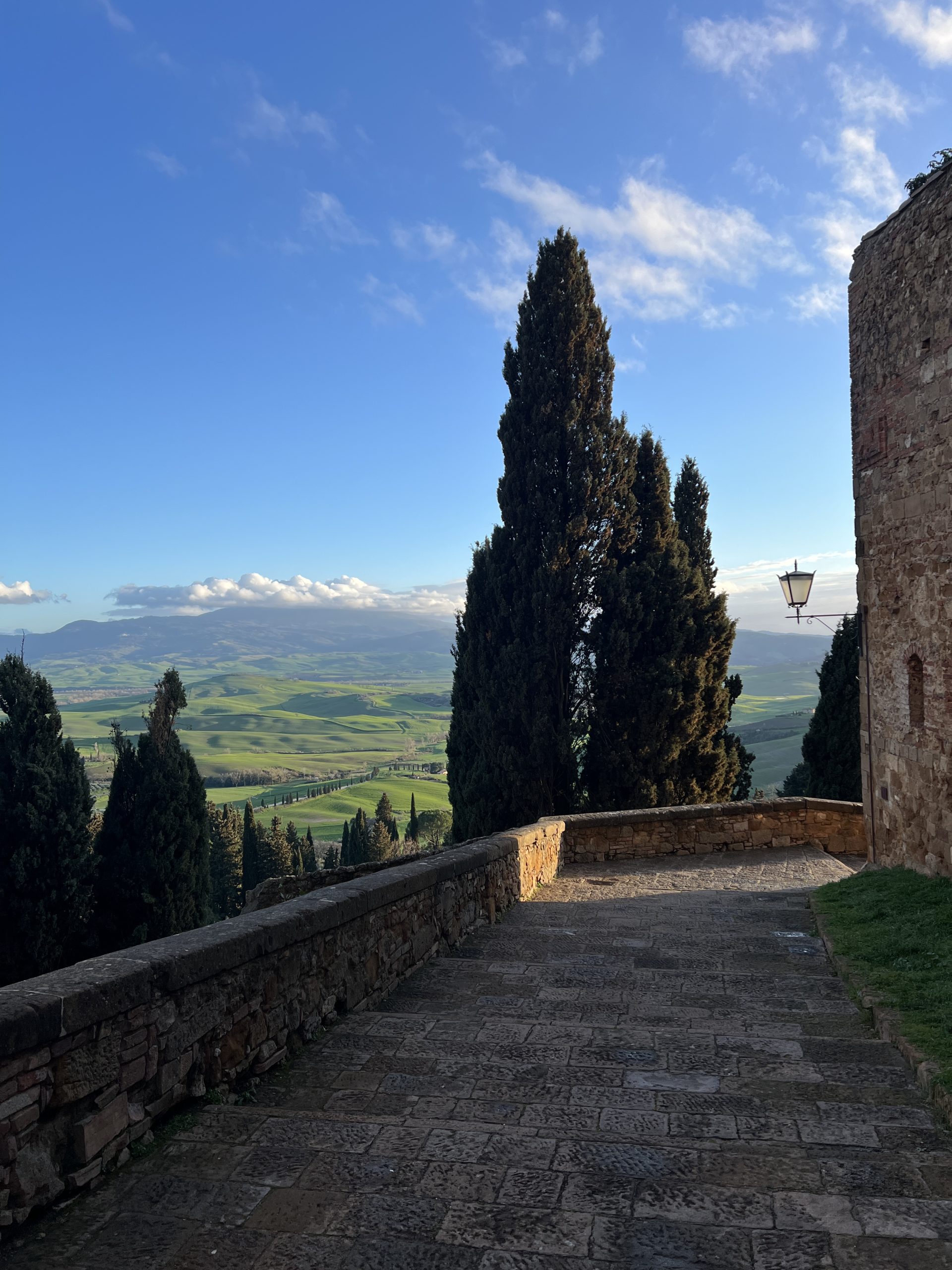
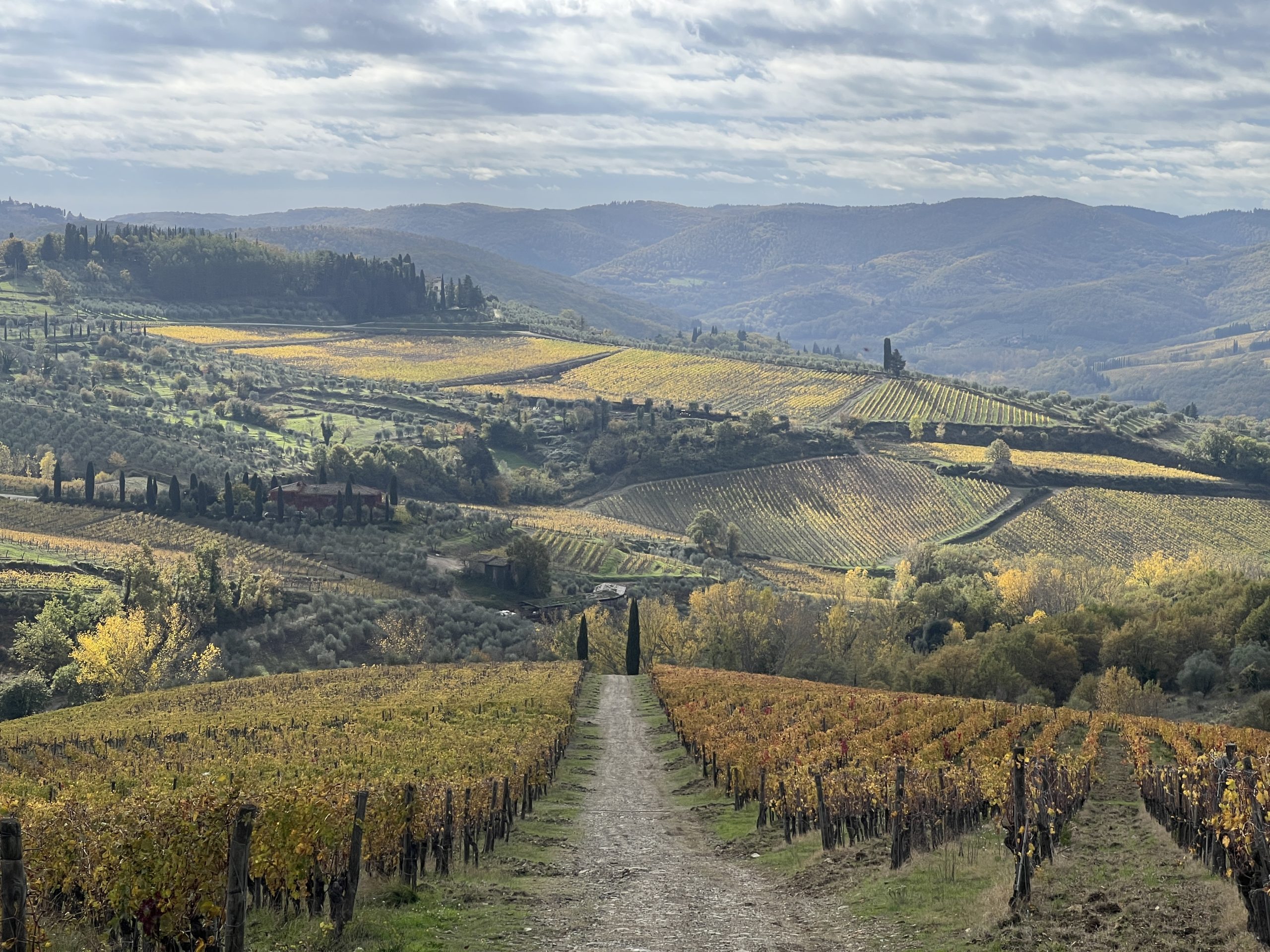
Chianti Classico is not just a wine; it’s a territory, a heritage, and a symbol of Italian excellence. Located between Florence and Siena, the Chianti Classico region covers some of Tuscany’s most scenic hills, ancient hamlets, and prestigious wineries.
Often confused with the broader Chianti DOCG, Chianti Classico is a distinct denomination with its own rules, geography, and identity. If you’re serious about Tuscan wines, this is where your journey must begin.
🛑 Don’t confuse Chianti Classico with Chianti DOCG!
Chianti DOCG covers a much wider area and includes different wine zones outside the historical core of Chianti. Chianti Classico is the original.
🗺 Where is Chianti Classico?
The Chianti Classico DOCG (Denominazione di Origine Controllata e Garantita) includes only 9 communes:
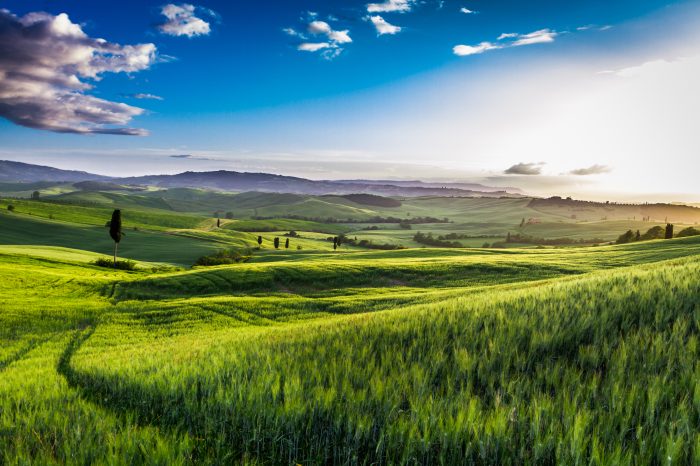
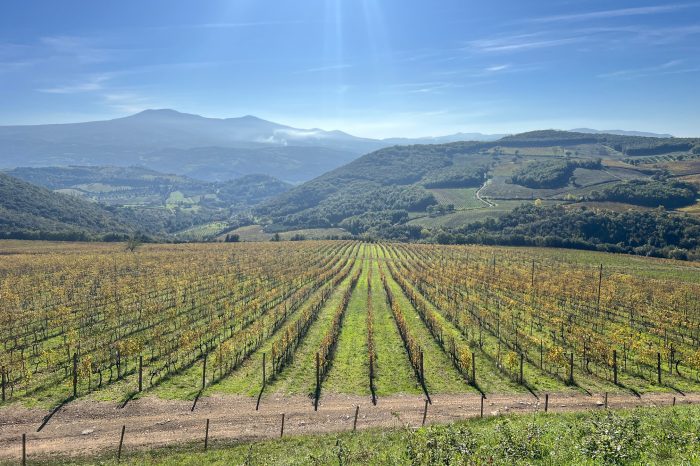
This zone forms a roughly triangular area between Florence, Siena, and Arezzo, marked by rolling hills, olive groves, cypress trees, and, of course, endless vineyards.
🏛 A Region with Centuries of Wine History
The Chianti Classico wine region dates back to 1716, when Grand Duke Cosimo III of Tuscany first officially defined the production area — making it one of the oldest legally recognized wine regions in the world.
Today, this tradition continues under strict production rules (the disciplinare) to preserve quality and authenticity.
🍇 What Makes Chianti Classico Wine Unique?
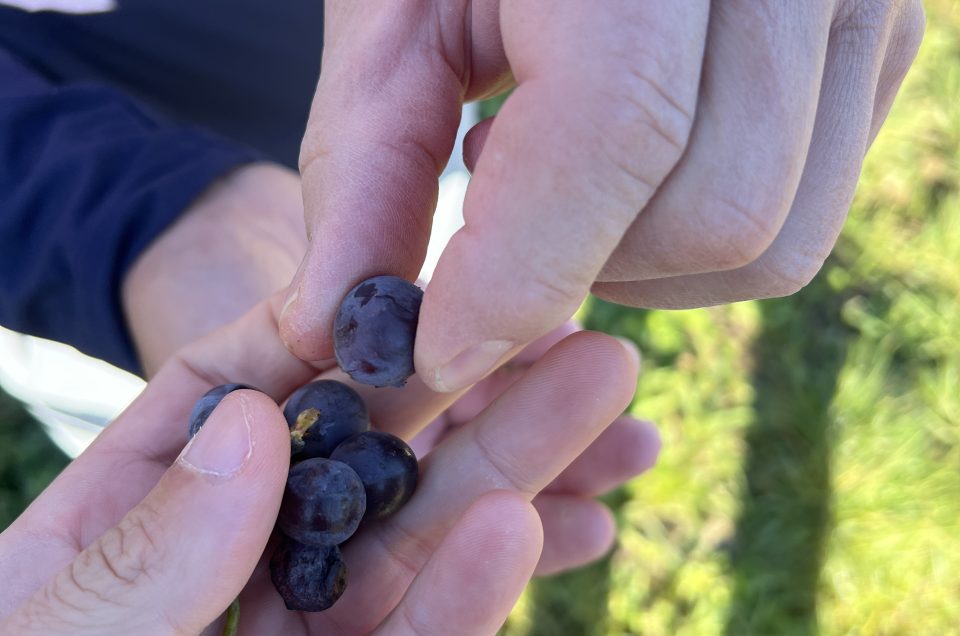
Chianti Classico is produced under one of the most rigorous wine regulations in Italy, ensuring high quality and a true expression of terroir. The disciplinare (production code) defines not only the grape varieties and aging rules, but also specific vineyard and yield parameters. Here’s what makes it so unique:
🍷 Grape Composition
Minimum 80% Sangiovese — the iconic red grape of Tuscany
Up to 20% of other approved red varieties (such as Canaiolo, Colorino, Cabernet Sauvignon, Merlot)
White grapes are not allowed — this is a key difference from Chianti DOCG
⏳ Aging Requirements
Annata (Vintage): Minimum 12 months of aging
Riserva: Minimum 24 months, including 3 months in bottle
Gran Selezione: Minimum 30 months, exclusively from estate-grown grapes
🍇 Vineyard & Yield Regulations
Minimum vine density: 4,400 plants per hectare
Maximum grape yield: 7.5 tonnes (7,500 kg) per hectare
Maximum yield per vine: 2 kg per plant
Allowed elevation: Vineyards must be located below 700 meters above sea level
Minimum vine age: Grapes can only be harvested from vines that are at least 3 years old
These detailed rules ensure that Chianti Classico wines are concentrated, balanced, and truly expressive of their terroir. Low yields and high-density planting contribute to the quality of the fruit, while altitude and vine maturity add complexity and structure to the final wine.
What is “Gran Selezione”?
Introduced in 2014, Gran Selezione is the top tier of Chianti Classico wines. It must come from the producer’s best grapes and vineyards and follow stricter aging and quality guidelines. It represents the pinnacle of the appellation — perfect for collectors or wine travelers looking for the ultimate expression of the region.
🐓 The Black Rooster – A Symbol of Trust
You’ll find a black rooster (“Gallo Nero”) seal on every bottle of Chianti Classico DOCG.
This is the historic symbol of the Chianti Classico Consortium, representing quality, authenticity, and connection to the land. It’s your guarantee that the wine was produced in the original Chianti region and follows strict DOCG rules.
🚴♂️ Visiting the Chianti Classico Region
Whether you’re a wine connoisseur or an adventurous traveler, Chianti Classico is one of the best wine regions to visit in Tuscany. Explore:
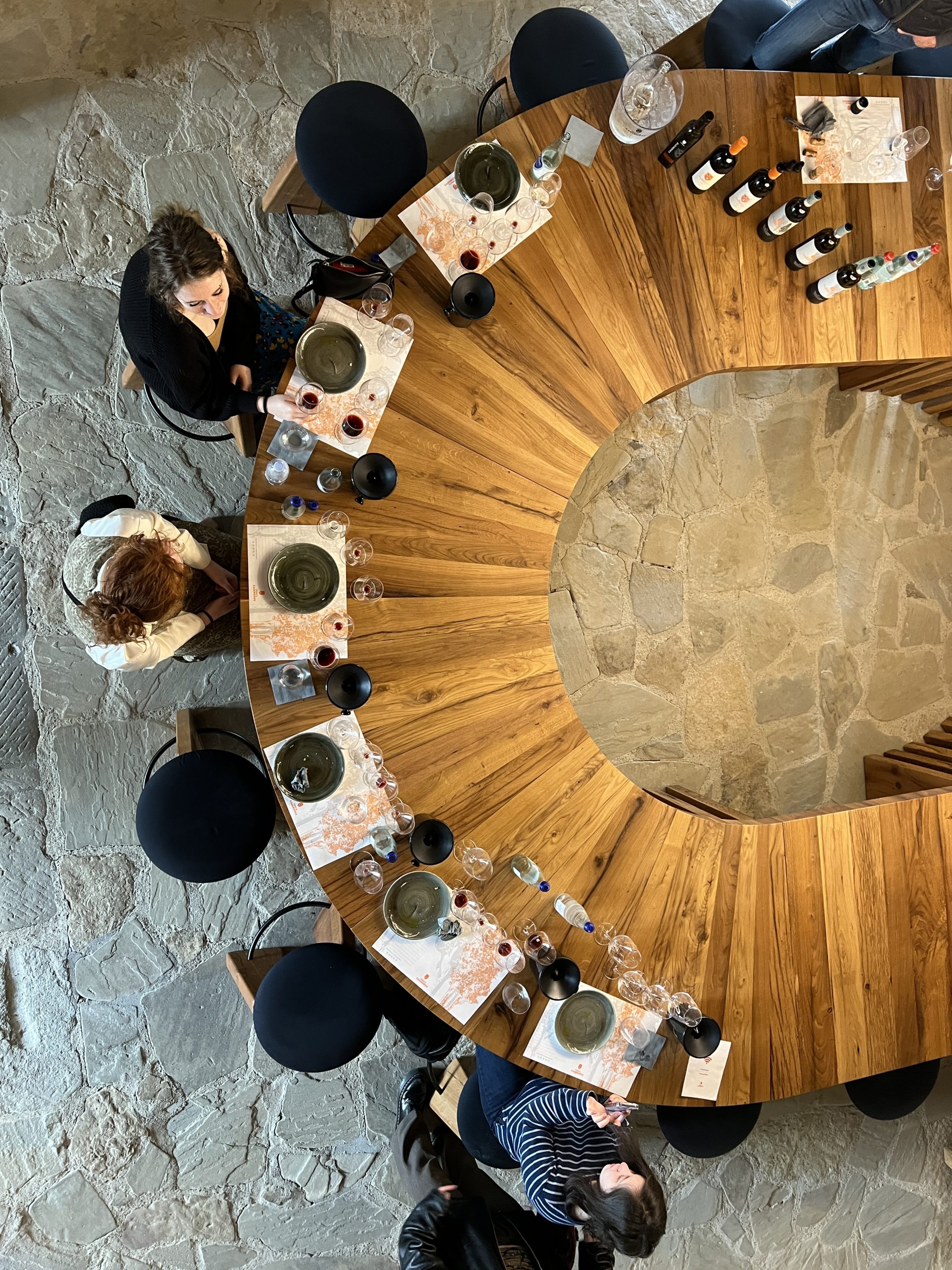
Vineyards and wineries with guided tastings
Picturesque towns like Greve, Radda, and Castellina
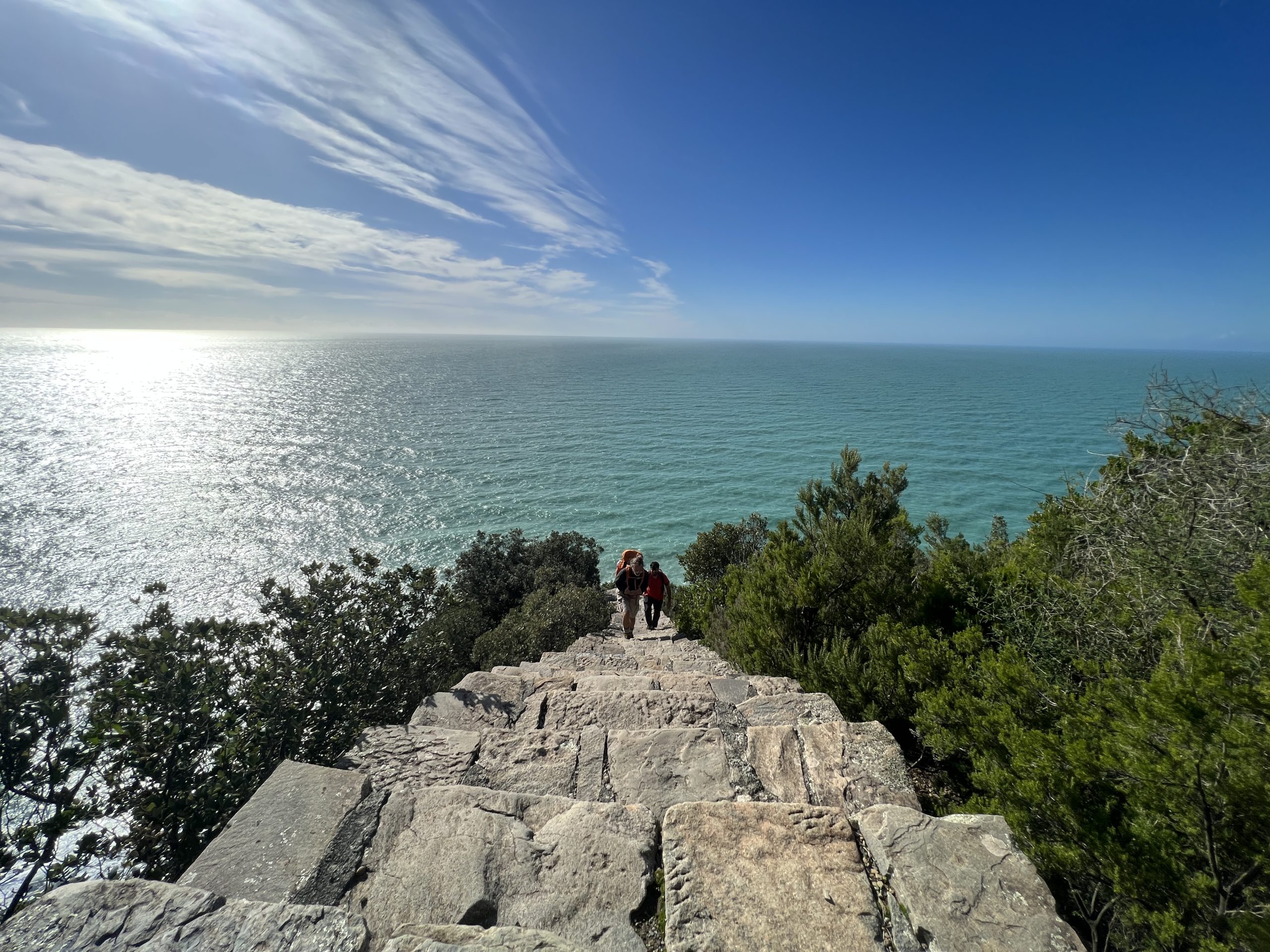
Scenic gravel bike rides and wine trekking tours
Local trattorias offering authentic Tuscan cuisine paired with local wines
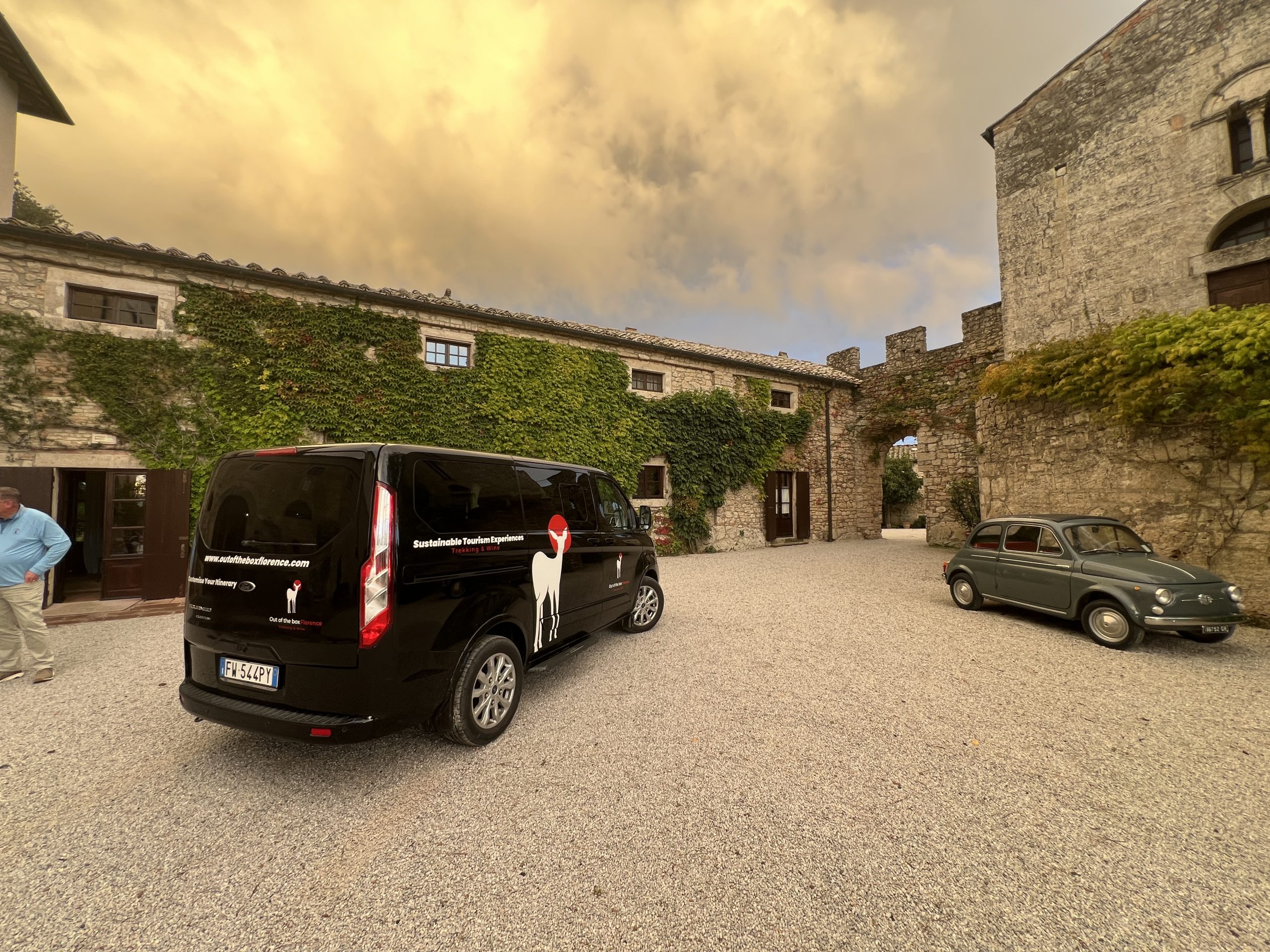
We offer tailored wine tours, hiking & wine experiences, gravel bike adventures, and immersive experiences in this beautiful region. Let us take you through the winding roads, cellars, and secrets of Chianti Classico.
🌿 Sustainable and Traditional
Chianti Classico producers are increasingly focused on sustainable viticulture, organic farming, and preserving local traditions. Many estates are family-run and deeply connected to the land — making every bottle a story of passion and place.
📝 Final Thoughts – Why Chianti Classico Matters
Chianti Classico is more than a name — it’s a piece of Tuscany’s soul. With its long history, strict rules, and commitment to excellence, it offers wine lovers an authentic, powerful, and unforgettable taste of Italy.
So, when searching for the true essence of Tuscan wine, start here — with Chianti Classico.
📌 Stay Tuned – Next in Our Tuscany Wine Regions Guide:
Episode 2: Brunello di Montalcino – The King of Sangiovese
JOIN THE ADVENTURE
Whether you’re a Wine Lover or a wine traveller, this is your sign to explore Italy following their wine regions.
📧 info@outoftheboxflorence.com
📱 WhatsApp: +39 347 080 9904
🌐 www.outoftheboxflorence.com
Sources:
Chianti Classico offical web site
Chianti Classico Disciplinare ITA
Consorzio vino chianti