
Gravel Biking in Tuscany: Guide to the Strade Bianche (2026)
⏱ 7 min read | Last updated: May 2026
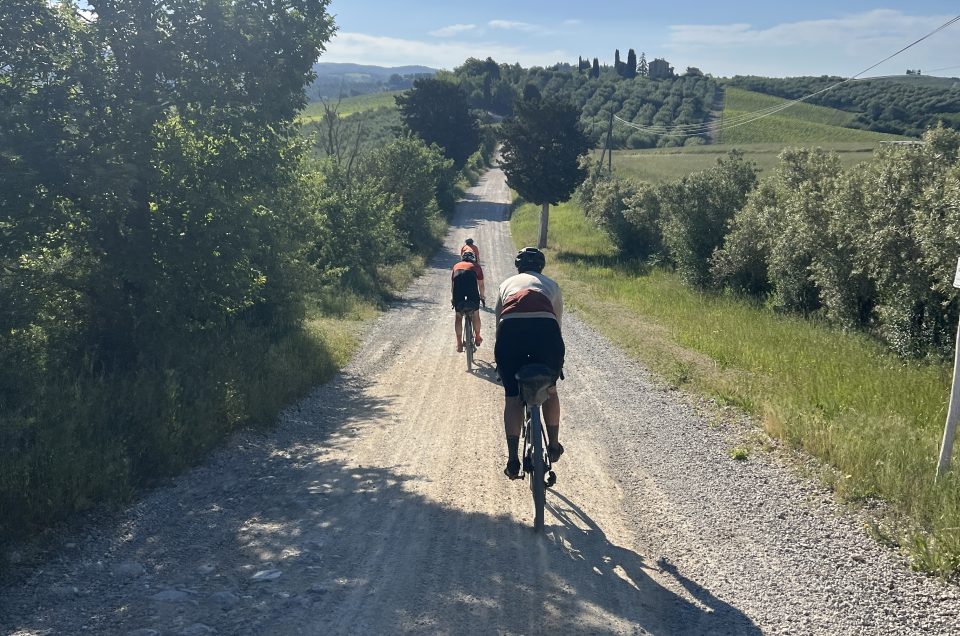
It is 7 a.m. in Florence. Espresso cups clatter on bar counters. Then, thirty minutes later, you are riding a gravel bike along a pale dirt track through rolling hills, with no tour bus in sight. Indeed, that is what gravel biking in Tuscany actually looks like — and it is one of the smartest ways to see the region on your own terms. In fact, Tuscany has one of the world's most extensive networks of unpaved strade bianche, or white roads. Consequently, cyclists travel from across the globe to ride them each spring. However, you do not need to be a racer. Whether you are a weekend rider or a first-time bikepacker, Tuscany's white roads welcome all levels.
What Are the Strade Bianche? A Short History of Tuscany's White Roads
The strade bianche — Italian for "white roads" — are the pale, unpaved tracks that crisscross rural Tuscany. Their roots go back to the Etruscan civilisation, which used these routes for trade across the hills. Throughout the Middle Ages, moreover, they became the main connections between villages and market towns. Today, they remain largely unpaved.
The pale colour comes from limestone gravel and fine dust that settles on the surface in dry weather. In 2007, organisers launched the Strade Bianche professional race, which starts and finishes in Siena and covers up to 80 km of these dirt sectors. As a result, the world discovered these roads. For everyday riders, however, the great news is simpler: you can ride the strade bianche yourself, any day, with no race entry required.
When Is the Best Time for Gravel Biking in Tuscany?
The best seasons for gravel biking in Tuscany are spring (April to June) and autumn (September to October). During these months, temperatures are mild, the roads are dry, and the countryside is at its most dramatic. In summer, by contrast, the heat in July and August can be intense on exposed gravel roads. Still, early morning starts make summer riding manageable.
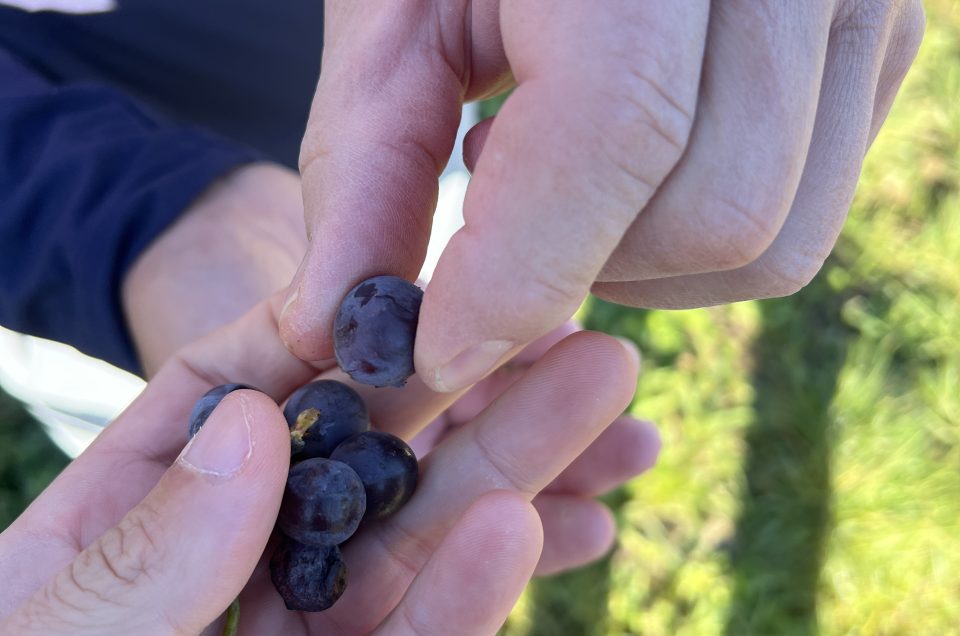
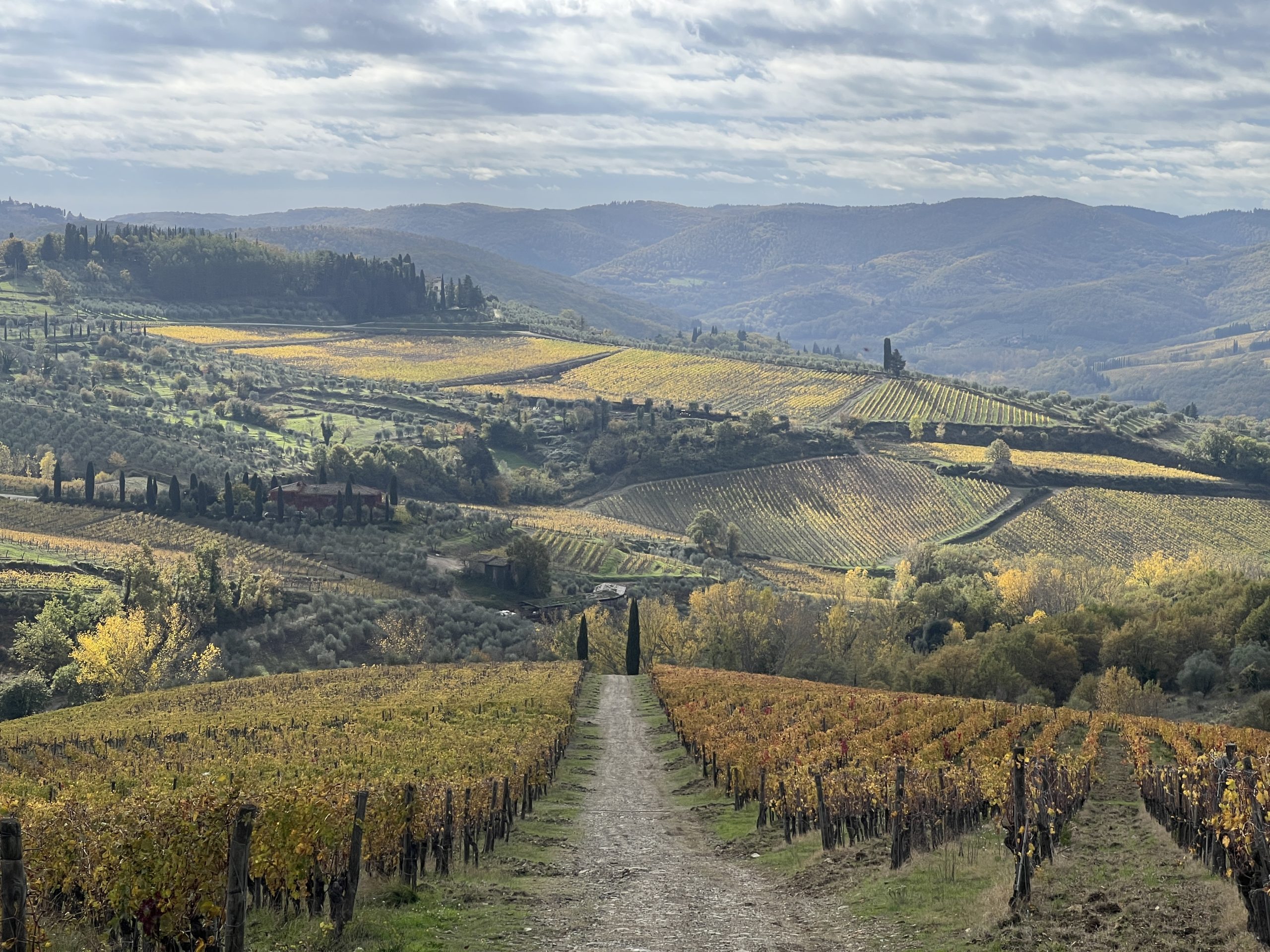
In autumn, furthermore, the vendemmia — the grape harvest — adds something extra to the experience: you ride past people picking grapes in the Chianti vineyards. One firm rule, however: avoid the Crete Senesi routes after rain. The clay soil turns to thick mud when wet, making the roads entirely unrideable. So always check the forecast the evening before your ride.
What Kind of Bike Do You Need for Gravel Biking in Tuscany?
You do not need the most expensive bike. However, you do need tyres wide enough for unpaved surfaces — anything between 35 mm and 50 mm works well on the strade bianche. A dedicated gravel bike is ideal, because it combines road speed with the durability of wider tyres.
That said, a hardtail mountain bike or an e-gravel bike works perfectly well too. Indeed, e-gravel bikes have become very popular on the Tuscan hills, since the climbs can be long and the distances add up fast. For beginners especially, an electric assist lets you focus on the landscape rather than your lungs. In other words, the best bike is simply the one you are comfortable on.
The Best Areas for Gravel Biking in Tuscany
Tuscany is large, so knowing which area suits your level saves a lot of planning. Here are the four main gravel biking zones, ordered from most accessible to most remote.
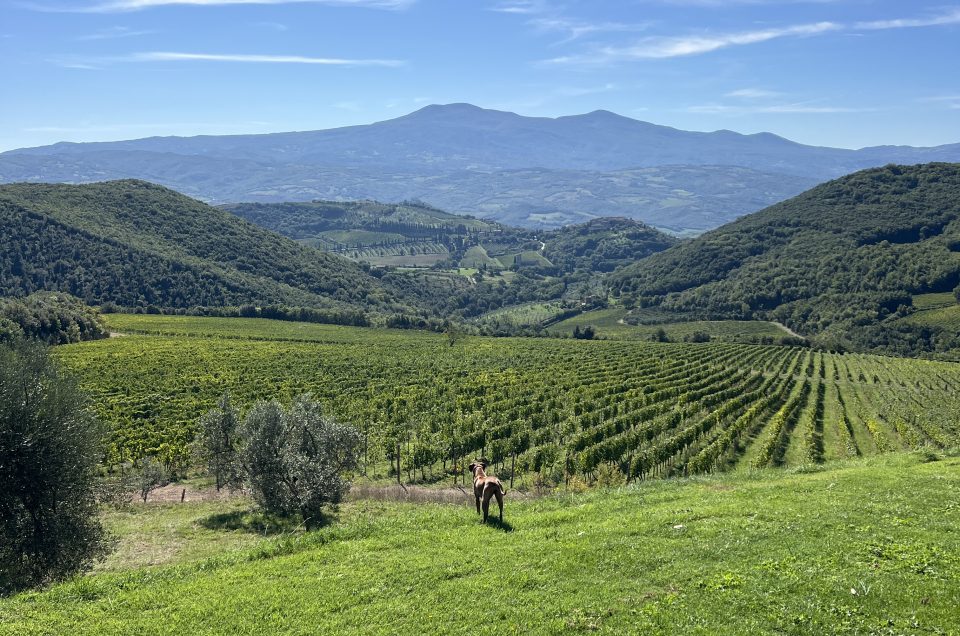
- Chianti — the obvious starting point for gravel biking in Tuscany from Florence. White roads link Greve in Chianti, Radda, Panzano, and Gaiole in Chianti, and the same tracks feature in the famous L'Eroica vintage cycling event.
- Crete Senesi — south of Siena, you ride through grey-blue clay hills that look almost lunar, punctuated by isolated farmhouses and cypress ridges. However, these roads are strictly fair-weather terrain: one wet day renders them impassable.
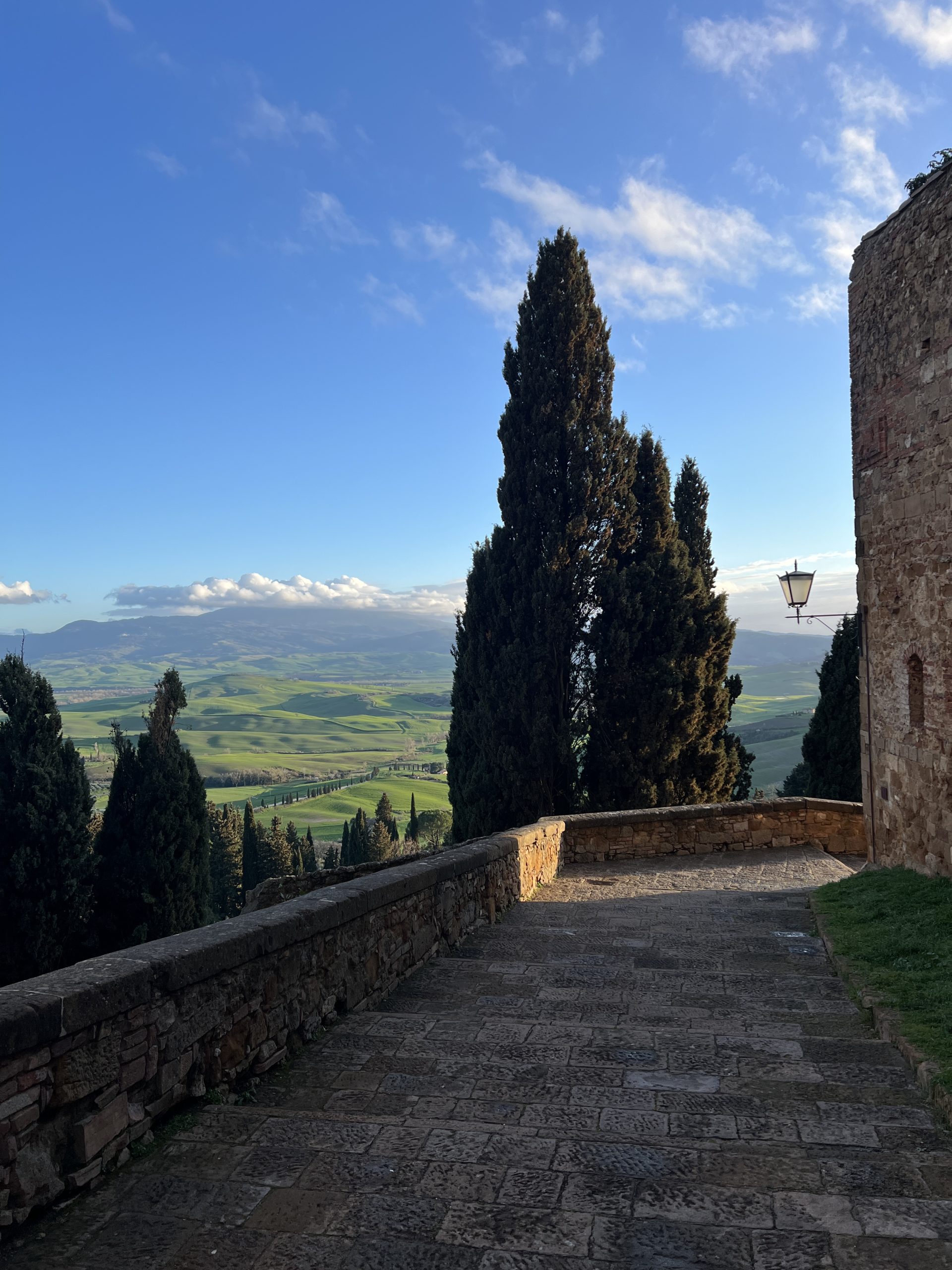
- Val d'Orcia — a UNESCO World Heritage Site with gravel routes linking Montalcino, San Quirico d'Orcia, and Pienza. Additionally, many loops here naturally pass a winery or two.
- Mugello and Casentino — the forested valleys north and east of Florence are less famous, yet ideal for solitude. Moreover, the altitude and tree cover make them especially good in July and August, when the southern plains become uncomfortably hot.
Out of the Box Florence has also published a dedicated guide to gravel bike rides in Tuscany with detailed route breakdowns close to the city.
Gravel Biking in Tuscany from Florence: How to Get Started
Florence makes an excellent base for gravel riding. The hills start almost immediately outside the historic centre — within 20 to 30 minutes by bike you can be climbing the first white roads into Chianti. Alternatively, load your bike onto a regional train and start from a Chianti village like Greve or Figline Valdarno instead.
A useful warm-up, moreover, is the flat Arno River cycle path, which loosens the legs before the hills begin. For a more ambitious loop, many riders start at Porta Romana in Oltrarno, cross the hills via Impruneta, and drop into the Chianti valley. In total, that loop can cover 50 to 80 km depending on the route.
Skip the Tour Bus — Why Guided Gravel Rides Are a Better Choice
A bus tour of Tuscany shows you Tuscany through a window. You stop at the same hilltop towns, eat where the driver has an arrangement, and never feel the place under your wheels. Guided gravel bike tours work in a completely different way.
For one thing, a good local guide knows which strade bianche are smooth in spring and which sectors to skip after a rainy week. Moreover, small-group rides stop wherever the guide finds something worth seeing — a roadside shrine, a farm selling local produce, a view that no tourist map shows. Additionally, the pace is set by the group, not a printed schedule.
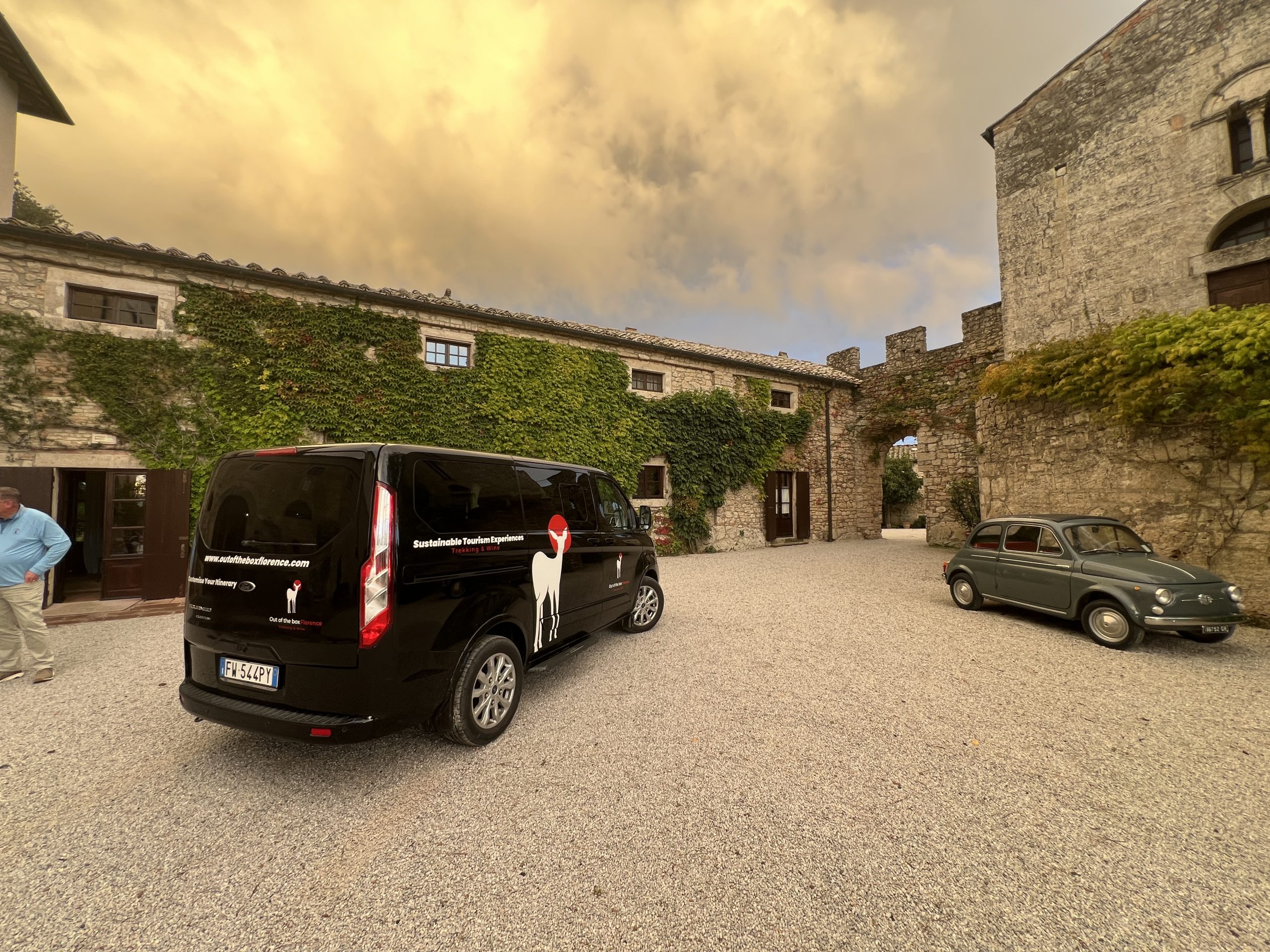
Out of the Box Florence runs sustainable, small-group gravel biking experiences through Tuscany with genuinely small groups and routes entirely off the tourist circuit. Instead of a laminated itinerary, you ride with Florence locals who know the landscape personally.
Where to Eat and Drink After a Gravel Ride
After several hours on the saddle, you will be hungry. However, choosing well means avoiding tourist-facing cafes near coach parks. Instead, look for small village bars with a handwritten chalkboard menu and a queue of locals at the counter around 1 p.m. For specific picks across Florence and the surrounding area, our curated Florence Off the Beaten Path: From Real Locals map lists the spots Florentines actually use.
Six Practical Tips Before You Set Off
A few practical points can make a significant difference to your day.
- Download Komoot before you leave. Mobile data is unreliable in rural Tuscany, so save your route offline the night before.
- Carry two water bottles and a snack. Cafes are rare once you leave the main towns, and summer heat on exposed gravel roads is significant.
- Pack a basic puncture kit. Though it seems excessive, a flat tyre several kilometres from the nearest village on a Chianti track is genuinely not unusual.
- Start early in summer. By 11 a.m. in July the southern routes become unpleasant. Moreover, the early light on the strade bianche is worth setting an alarm for.
- Avoid the Crete Senesi after rain. Clay roads become impassable within hours of a downpour. Consequently, check a reliable forecast before heading south of Siena.
- Check the Visit Tuscany official site for updates. Road conditions and new signposted routes are listed there regularly.
Frequently Asked Questions: Gravel Biking in Tuscany
Do I need a special bike for gravel biking in Tuscany?
You do not need the most expensive bike, but you do need appropriate tyres. Gravel bikes with 35–50 mm tyres work best on the strade bianche. However, hardtail mountain bikes and e-gravel bikes are excellent alternatives, and most local hire shops stock gravel-ready bikes for daily rental.
Can beginners enjoy gravel biking in Tuscany?
Yes, absolutely. In fact, many visitors try gravel biking in Tuscany for the first time on a guided tour. The Chianti routes offer manageable gradients and clearly tracked white roads. Still, you should be comfortable riding for three to four hours before attempting the longer loops in Crete Senesi or Val d'Orcia.
What is the best gravel biking route near Florence?
The Chianti loop from Florence via Impruneta and Greve in Chianti is one of the most popular entry-level rides. Furthermore, a guided gravel experience removes the route-planning entirely. Out of the Box Florence's gravel biking tours use routes that standard tourist maps do not show.
What are the strade bianche made of?
The strade bianche are unpaved tracks made of limestone gravel and compacted earth. In dry conditions, the pale dust gives them their distinctive white colour — hence the name. These roads date back to at least the Etruscan period and were formalised as trade routes during the Middle Ages.
Is gravel biking in Tuscany suitable for e-bikes?
Yes, and increasingly so. E-gravel bikes work very well on the Tuscan hills, especially on longer routes through Crete Senesi and Val d'Orcia. However, verify that battery range covers your intended distance — some rural loops exceed 70 km. Additionally, charge fully the evening before.
What is the Tuscany Trail bikepacking event?
The Tuscany Trail is a non-competitive bikepacking event held in May each year, with a full loop of approximately 445 km starting from Chianti, plus a shorter 160 km option. That said, you do not need to enter the event — the strade bianche are rideable year-round, weather permitting.
Ready to Ride? Let Us Take You Off the Beaten Track
Gravel biking in Tuscany is best with someone who knows the roads personally. Out of the Box Florence runs small-group, locally guided gravel biking experiences on routes that tourist maps do not cover. Our guides are Florence locals — not operators running six identical groups a day. Instead, you ride with people who know which track opens onto the best view in Chianti.
We also run Florence urban hikes through Oltrarno and Sant'Ambrogio for days when you want the city without the tour-group flag.
To book or ask any questions, visit our contact page or email info@outoftheboxflorence.com. Groups are small and itineraries are flexible.