

Tuscany Wine Regions Guide – Episode 4: Vino Nobile di Montepulciano DOCG
Introduction – Why Vino Nobile is One of Tuscany’s Crown Jewels
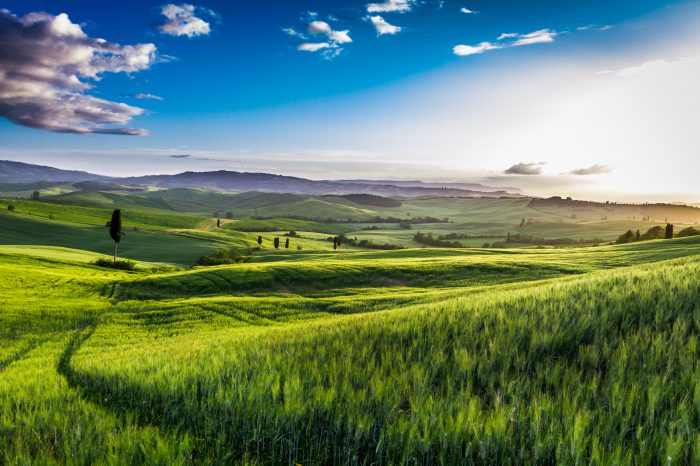
Known as one of Italy’s oldest and most prestigious wines, Vino Nobile di Montepulciano DOCG is steeped in history, tradition, and terroir. Produced exclusively in the rolling hills of Montepulciano, this wine combines the elegance of Sangiovese (locally called Prugnolo Gentile) with the richness of Tuscany’s diverse soils.
In this guide, we’ll explore the DOCG regulations, the unique new “Pieve” designation, tasting profiles, and why this wine deserves a place on every serious wine lover’s list.
🌿 1. Production Area & Terroir
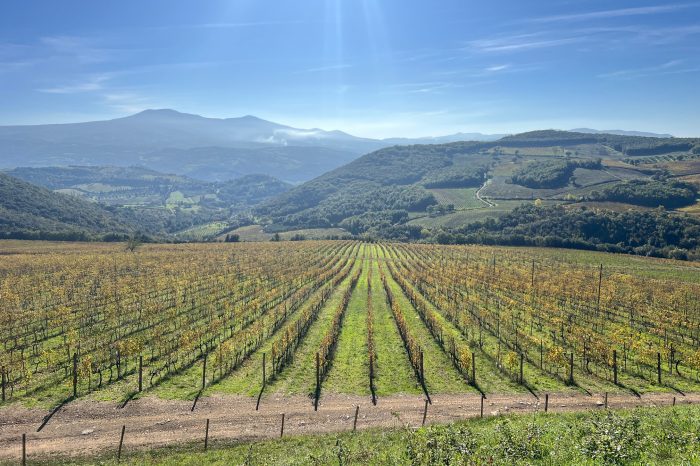
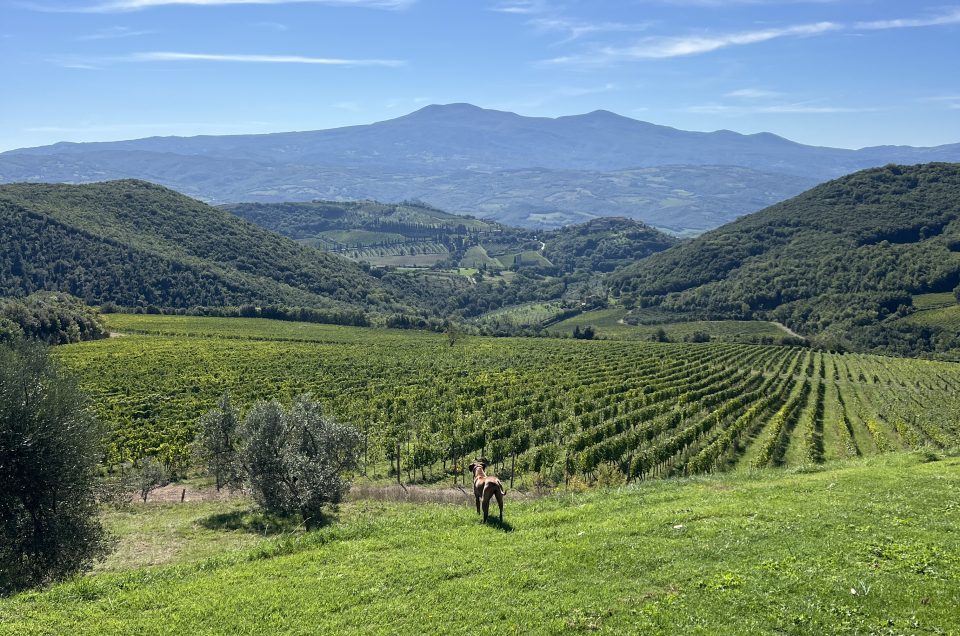
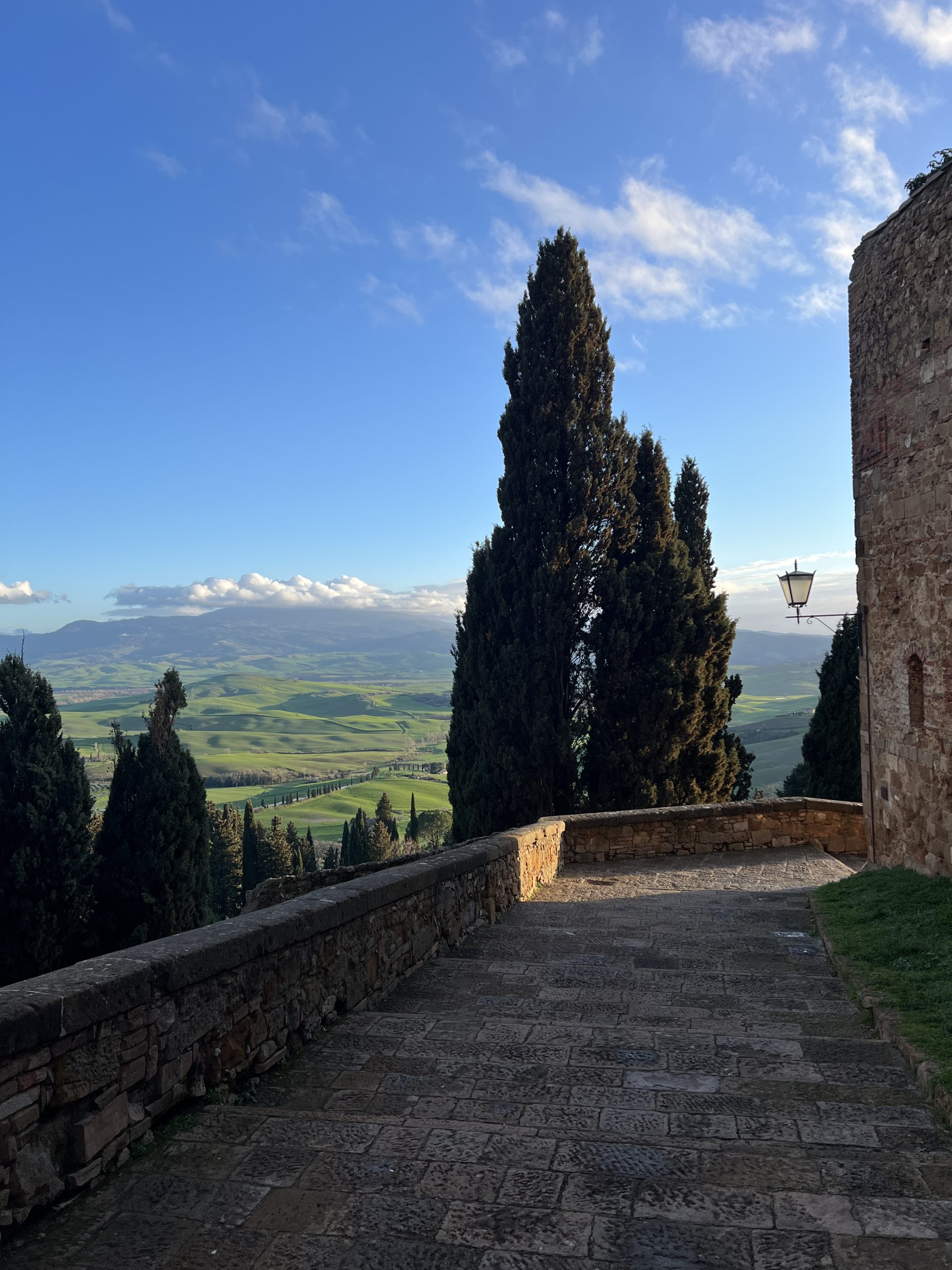
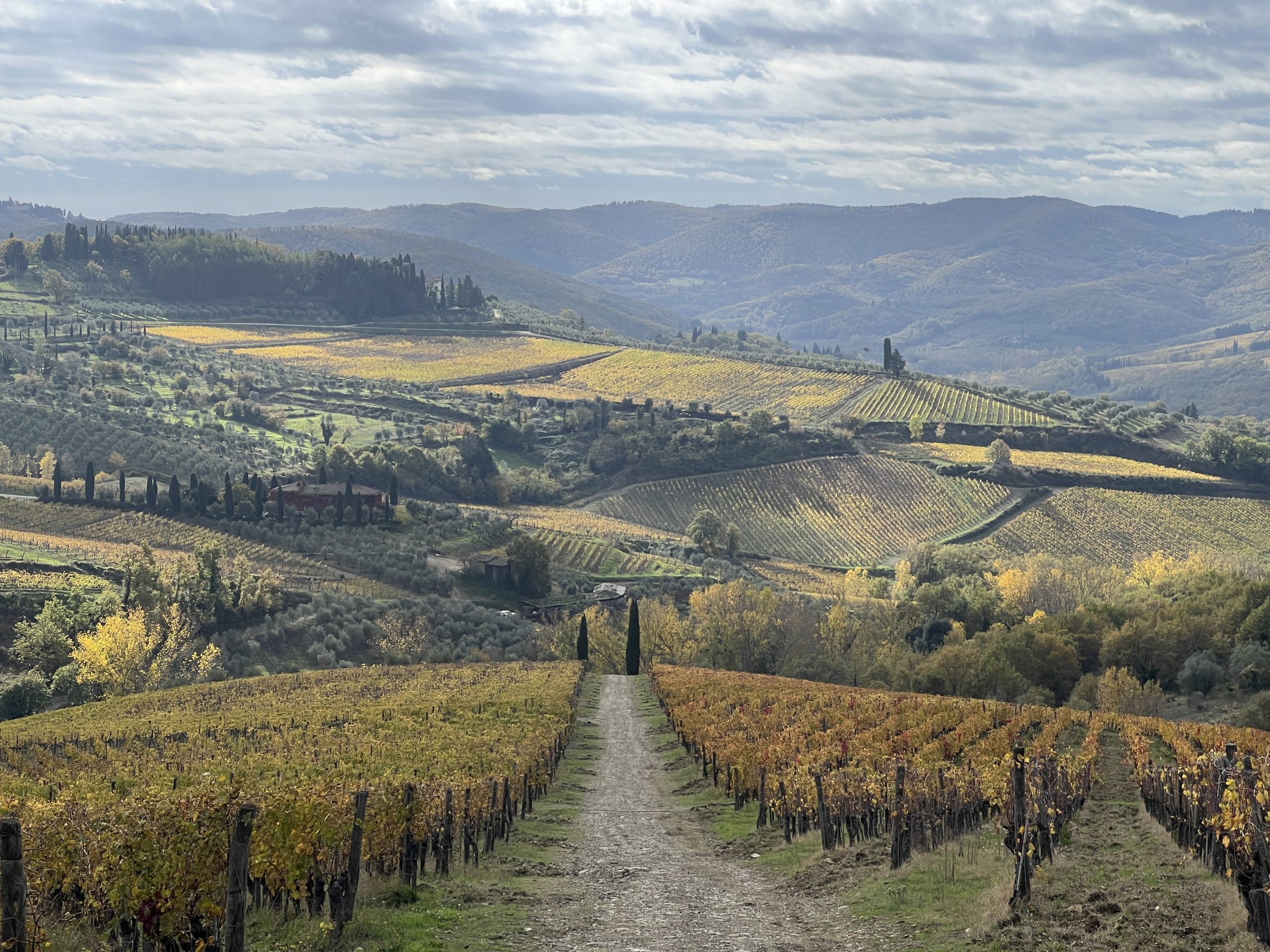
The Vino Nobile production zone covers only the municipality of Montepulciano, excluding Valdichiana, with altitudes ranging from 250 to 600 m a.s.l. This small but diverse area features clay, sand, and silt-rich soils, each influencing the wine’s structure and aromatics.
The “Pieve” System – Tuscany’s answer to Cru wines
In 2024, the Consorzio introduced 12 Additional Geographic Units (UGA) known as Pievi. Each “Pieve” represents a historical parish and a specific terroir, giving wine lovers the chance to explore Montepulciano’s micro-zones in greater depth.
🍇 2. Grapes & Vineyard Regulations
- Minimum 70% Prugnolo Gentile (Sangiovese)
- Up to 30% other authorised red grapes (e.g. Canaiolo, Merlot, Cabernet)
- Up to 5% non-aromatic white grapes allowed
- Max yield: 8 t/ha (drops to 7 t/ha for “Pieve” wines)
- Vine age: For “Pieve” wines, vineyards must be at least 15 years old
- Planting density: Minimum 3,330 vines/ha
🛠 3. Winemaking & Ageing Requirements
Style | Minimum Ageing | Wood Ageing Requirement | Bottle Ageing | Min Alcohol |
Vino Nobile DOCG | 24 months | Flexible options: all in wood or part in other containers | Optional | 12.5% |
Riserva | 36 months | As above | 6 months mandatory | 12.5% |
Pieve DOCG | 36 months | 12 months in wood | 12 months mandatory | 13% |
All vinification and ageing must occur within the Montepulciano municipality (with very limited exceptions).
🍷 4. Tasting Profile & Food Pairings
Vino Nobile di Montepulciano DOCG
Ruby red, tending towards garnet with age. Aromas of ripe red cherry, plum, violets, and subtle spice. Elegant tannins, bright acidity, and a lingering finish.
Riserva
Greater depth, complexity, and structure. Richer aromatics with tobacco, leather, and dried herbs.
Pieve
Single-terroir expression: intense aromatics, refined tannin structure, and excellent ageing potential.
Pairings: Bistecca alla Fiorentina, wild boar ragù, Pecorino di Pienza, and hearty Tuscan stews.
📜 5. Key Facts at a Glance
- DOCG status: since 1980 (first in Italy, alongside Brunello and Barolo)
- Signature grape: Prugnolo Gentile (Sangiovese clone)
- Styles: Vino Nobile, Riserva, Pieve
- New development: “Pieve” zoning introduced in 2024
- Ideal cellaring: 8–15 years for Riserva & Pieve wines
📌 Conclusion – Why You Should Taste Vino Nobile Where It’s Made
Vino Nobile di Montepulciano is more than a wine – it’s a journey through Tuscany’s history, landscapes, and craftsmanship. The introduction of the “Pieve” cru system makes now the perfect time to explore this region and taste its diverse terroirs.
🍷 Book Your Vino Nobile Tour with Out of the Box Florence
Our Vino Nobile di Montepulciano wine tours take you beyond the tasting room:
- Private vineyard walks with local winemakers
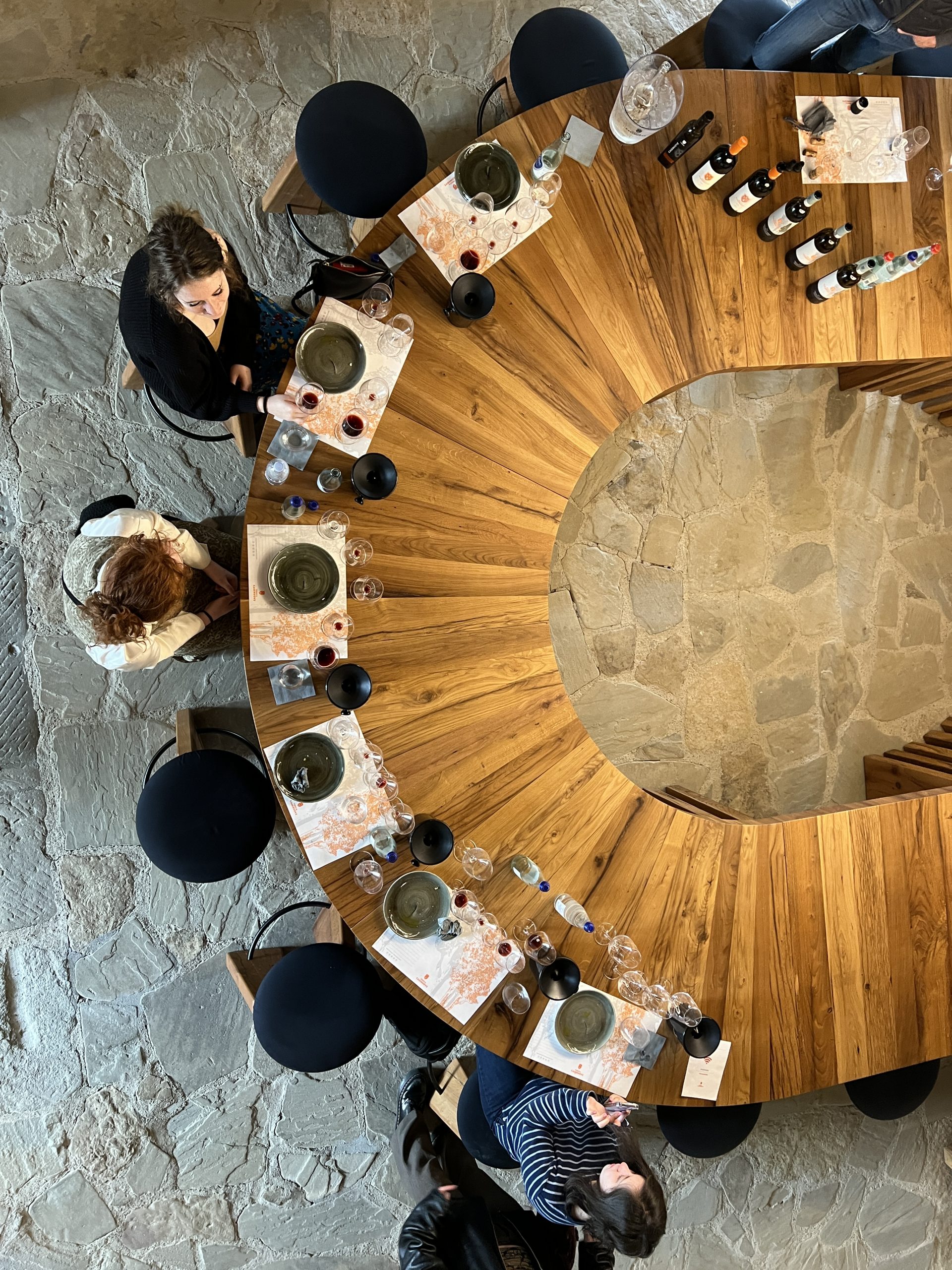
- Guided tastings of Base, Riserva, and Pieve wines
- Food pairings with regional specialities
- Sustainable, small-group experiences
📩 Bookings & Contact
Out of the Box Florence
Email: info@outoftheboxflorence.com
Website: outoftheboxflorence.com
Sources
- Official DOCG Disciplinare – MIPAAF
- Consorzio Vino Nobile di Montepulciano – Disciplinari
- Consorzio Vino Nobile di Montepulciano – Pieve System
 Stay Tuned – Next in Our Tuscany Wine Regions Guide:
Episode 5: Carmignano – The very first “Supertuscan”

Chianti Classico Wine Hiking Tour from Florence | 3 Wineries & Lunch
Florence| 7 Guests | 9 Hours | Age 18+
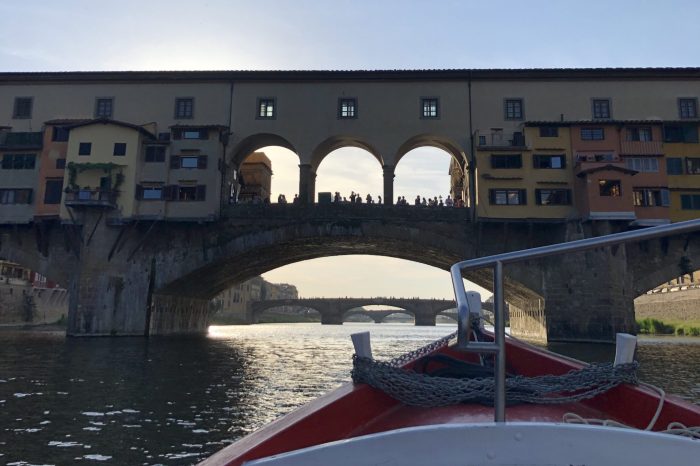
Florence Wine Boat Tour on the Arno | Ponte Vecchio & Organic Prosecco
Florence| 14 Guests | 1 Hour | Age 5+


Multidays Hiking and Biking in Tuscany and Cinque Terre
Florence| 8 Guests | Multi-Days | Age 18+

Tuscany Gravel Bike Tours | Out of the Box Florence
Florence| 8 Guests | Single/Multi-days | Age 18+