
Hiking in Chianti: The Best Tuscany Trail Guide for 2026
Reading time: approximately 7 minutes | Last updated: May 2026
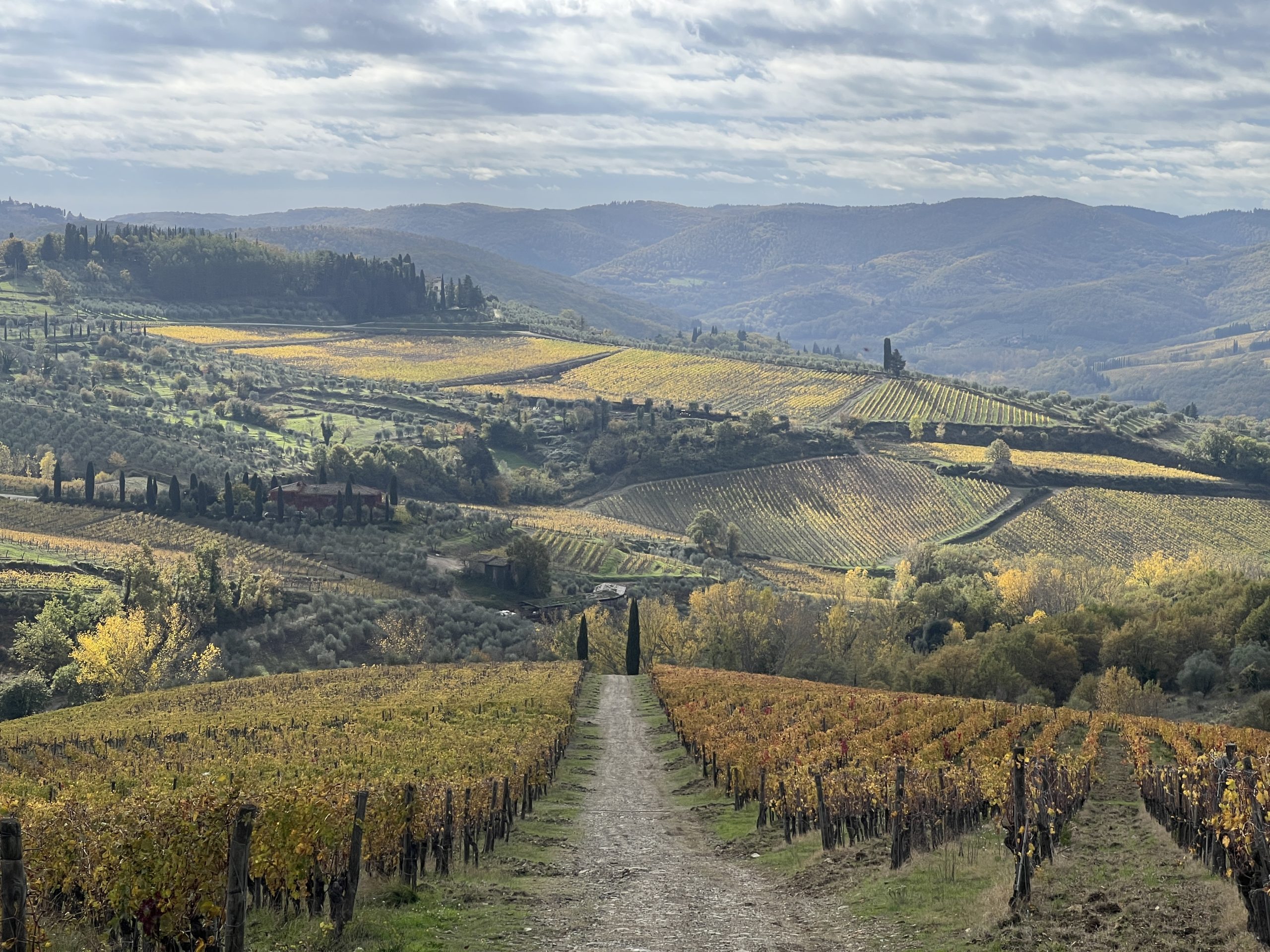
Forget the coach. Hiking in Chianti is one of the best ways to see real Tuscany — and it starts just 40 minutes south of Florence. On the SS222 Chiantigiana road and the trails that branch off it, you walk through oak woods, past vineyard terraces, and into medieval hilltop villages that a tour bus simply cannot reach. Whether you have a single afternoon or three full days, Chianti rewards walkers with a quiet authenticity that no organized group tour can replicate. Lace up your boots, skip the coach, and keep reading.
Why Hiking in Chianti Beats Any Bus Tour in Tuscany
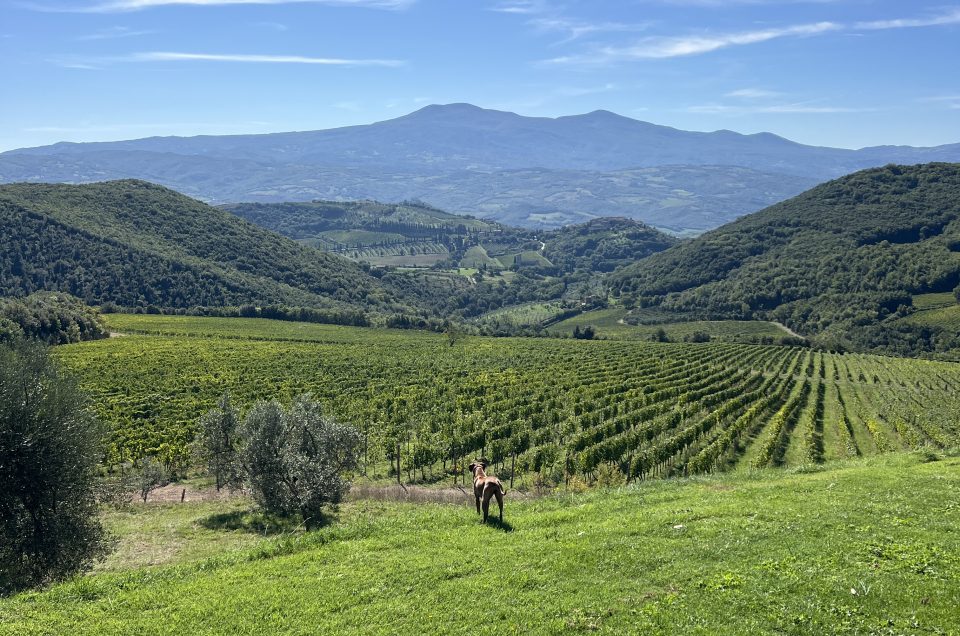
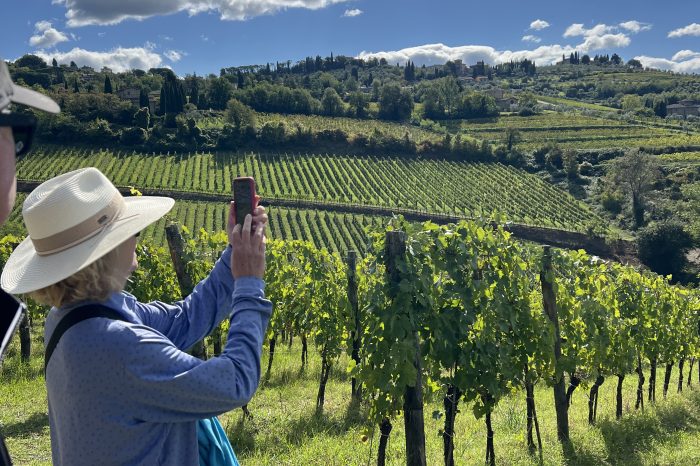
The Chianti wine zone stretches between Florence and Siena, covering roughly 300 square kilometres of hills, forests, and vineyards. However, most tourists see this landscape from a coach window — spending 45 minutes at a single winery before heading back to Florence. On foot, by contrast, you move at human speed through the same countryside: crossing the white gravel roads called strade bianche, passing stone farmhouses, and actually entering the small fortified villages — borghi — perched on the hilltops.
Furthermore, walking between points forces you to engage with the landscape rather than photograph it from a parking lot. In short, hiking in Chianti turns a passive tourist day-trip into something genuinely lived.
Best Time to Go Hiking in Chianti
May is widely considered the ideal month for hiking in Chianti. Temperatures typically range from 15°C to 22°C, which is perfect for full-day walks. Additionally, wildflowers appear along the trail margins throughout spring, and the vines are pushing out fresh green growth. Trails are also, at this point, much quieter than they will be in midsummer.
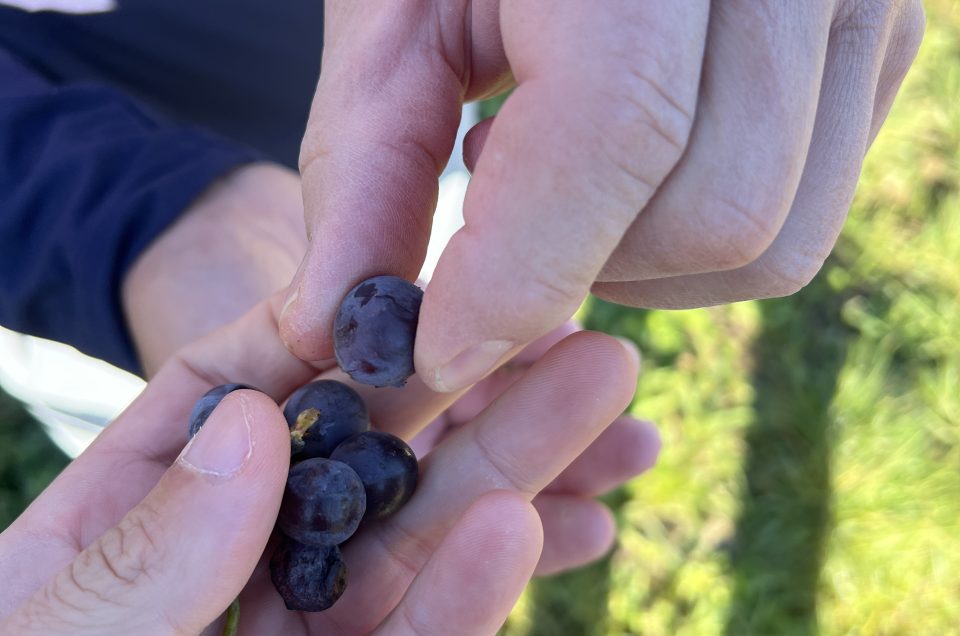
However, Chianti is walkable for much of the year. September brings the grape harvest — the vendemmia — when workers are out in the fields and tractor trailers loaded with grapes roll slowly along the roads. October and November, meanwhile, are olive harvest months and white truffle season in nearby San Miniato. Even winter delivers something: trails are quiet and prices in the area drop noticeably.
The Best Hiking Trails in Chianti for Every Level
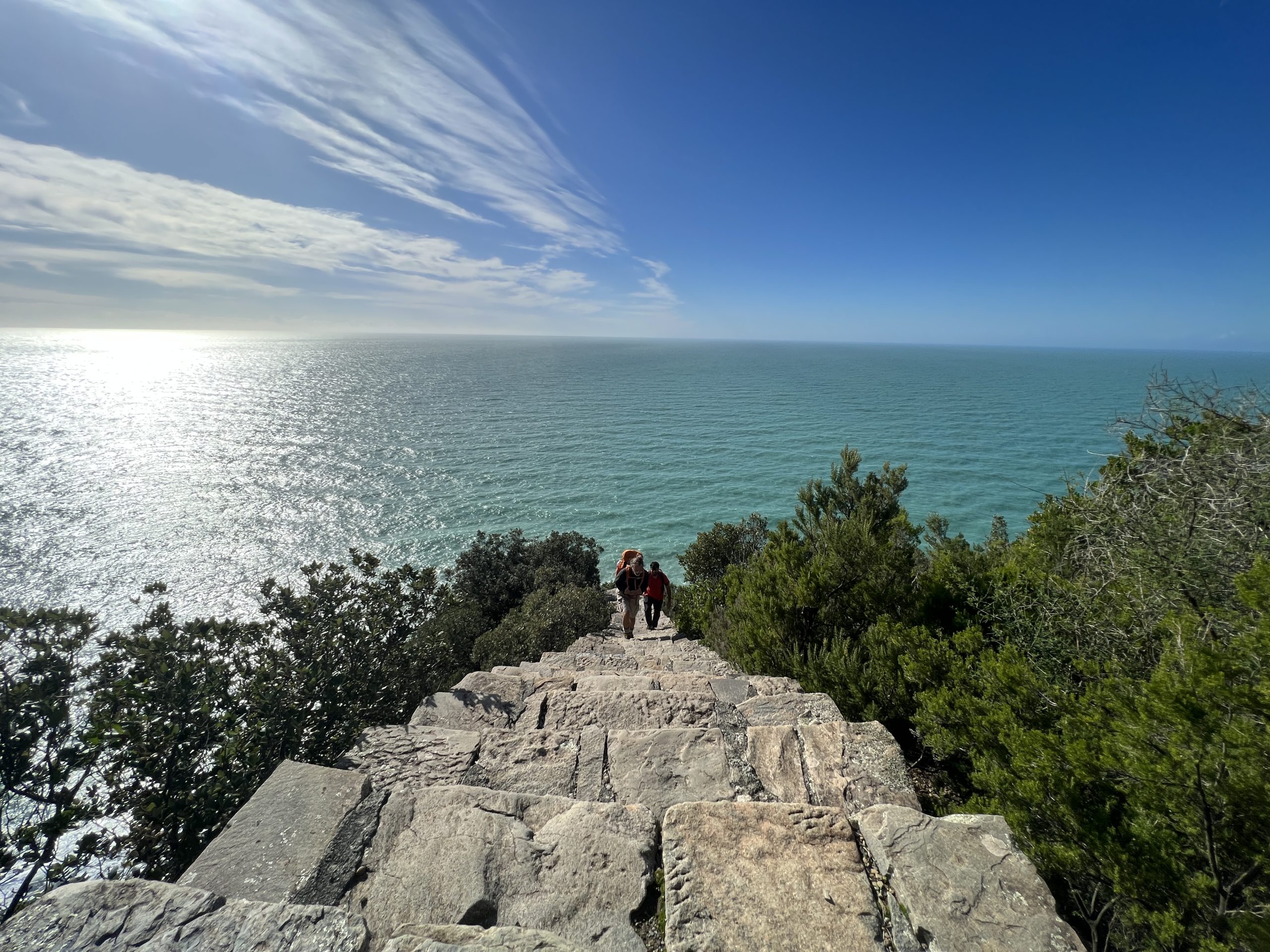
Hiking in Chianti suits a wide range of fitness levels. Below are three of the most rewarding options, each verified through local trail sources.
Hiking in Chianti: The Greve–Montefioralle Loop (Beginner–Moderate)
Greve in Chianti, approximately 27–30 km south of Florence via the SS222, is the natural base for hiking in Chianti. The loop trail from Greve up to Montefioralle covers around 8.7 km with approximately 307 metres of elevation gain. Most walkers complete it in 2.5 to 3 hours at a relaxed pace. The route begins with a steep, rocky climb out of Greve’s main square, then eases onto wide white gravel roads before descending on a paved road. Visit Tuscany lists this area among the most accessible hiking destinations in the region.
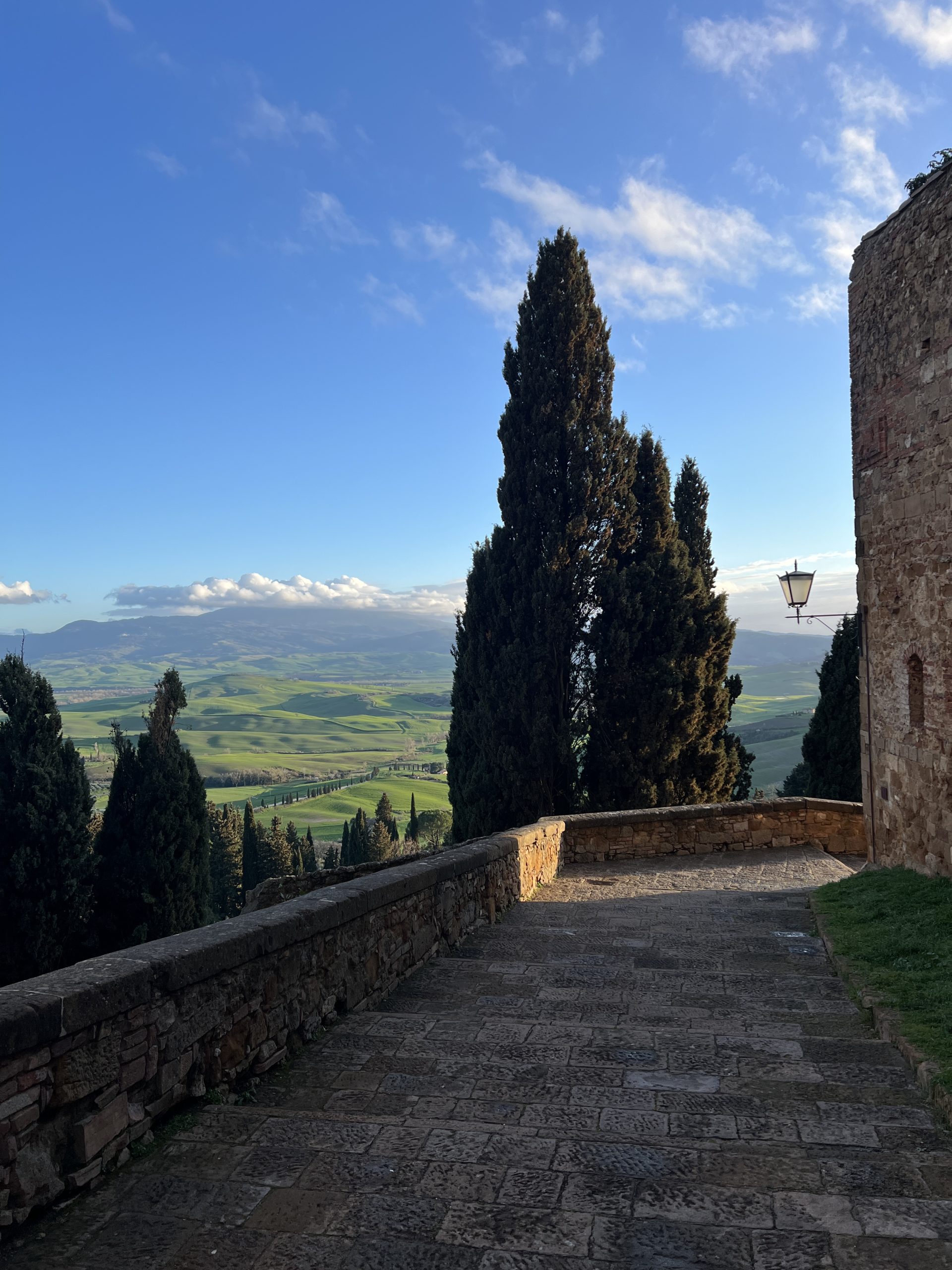
Montefioralle is one of the best-preserved borghi in Tuscany — a circular medieval village with stone lanes so narrow that two people can barely pass side by side. Indeed, this loop is rated one of the top day hikes in the entire Chianti area on AllTrails. If you only have time for one walk in Chianti, this is it.
Hiking in Chianti: The Greve to Panzano Route (Moderate)
For a longer and more demanding option, the Greve to Panzano route runs roughly 10 to 14 km depending on the variant you choose. Panzano in Chianti sits about 6 km from Greve, perched on a panoramic hilltop above the surrounding valleys. The trail alternates between Chianti Classico gravel roads and woodland paths. This route is consequently better suited to walkers with some previous trail experience.
Moreover, Panzano makes an excellent place to stop for lunch before returning to Greve on a different path. The village is small and genuinely lived-in — far less visited than Greve. Look for a handwritten menu in Italian posted outside, and check whether locals are actually sitting inside. Both signs point to the right kind of place.
Hiking in Chianti: The Gaiole Trail Network (All Levels)
Further south, the Gaiole in Chianti area offers a signposted network of around 14 different trails through the heart of the Chianti Classico zone. The Chianti Classico Hiking Network maps these routes and provides difficulty ratings for each. One popular option is the Gaiole Loop, which climbs to the Badia a Coltibuono — a former Vallombrosan monastery founded in 1051 — before descending through the hamlet of Montegrossi.
You can reach Gaiole from Florence by train to Montevarchi, followed by a local bus or taxi. The journey takes about 90 minutes in total. Alternatively, driving from Florence is around 60 km and takes just over an hour.
How to Get to Chianti from Florence Without a Tour Bus
Most organized day trips collect you at your Florence hotel, drive you to one or two wineries, and return you by early evening. That format, however, puts the winery’s schedule above yours and limits where you walk. Here are more flexible options.
- Drive yourself. Greve in Chianti is 27–30 km south of Florence via the SS222 Chiantigiana. Town-centre parking is available near the main square. Additionally, the Chiantigiana road itself is one of the most scenic drives in Tuscany, so the journey is part of the day.
- Take a local SITA bus. SITA runs regular services from Florence’s Autostazione — near Santa Maria Novella station — to Greve in Chianti. The journey takes approximately one hour and costs a few euros each way. This is, moreover, the most sustainable option for solo travelers or small groups.
- Rent a gravel bike. For a multi-day adventure, gravel biking south from Florence through Chianti on the strade bianche is increasingly popular and entirely feasible.
Whatever you choose, avoid coach tours that bundle hiking with wine-tasting at a single famous estate. Instead, walk between villages on your own schedule and stop wherever looks interesting.
What to Eat Along the Chianti Hiking Trail
After a morning’s hiking in Chianti, you will want to eat well. The best general rule in this part of Tuscany: look for a handwritten chalkboard menu in Italian only, a queue of locals outside at 1 p.m., and no photographs of the dishes on the walls. That combination almost always signals honest cooking at honest prices.
In the villages along the trail, pane toscano — the unsalted Tuscan bread — turns up in every sandwich. Pair it with local salumi and a glass of Chianti Classico for a proper hiker’s lunch. If you are passing through Florence before or after your hike, our Florence Off the Beaten Path: From Real Locals Wanderlog map has curated city food and drink spots worth bookmarking.
Gravel Biking in Chianti: A Fast Way to See More
Hiking in Chianti covers the ground beautifully but slowly. Gravel biking, on the other hand, lets you link several villages in a single day on the same white gravel roads that walkers use. The Chianti Classico zone is, in fact, one of the birthplaces of modern gravel cycling in Italy. The famous L’Eroica vintage bike race has been held in Gaiole in Chianti every October since 1997, following the historic strade bianche across the area. Today, self-guided gravel routes run from March to November.
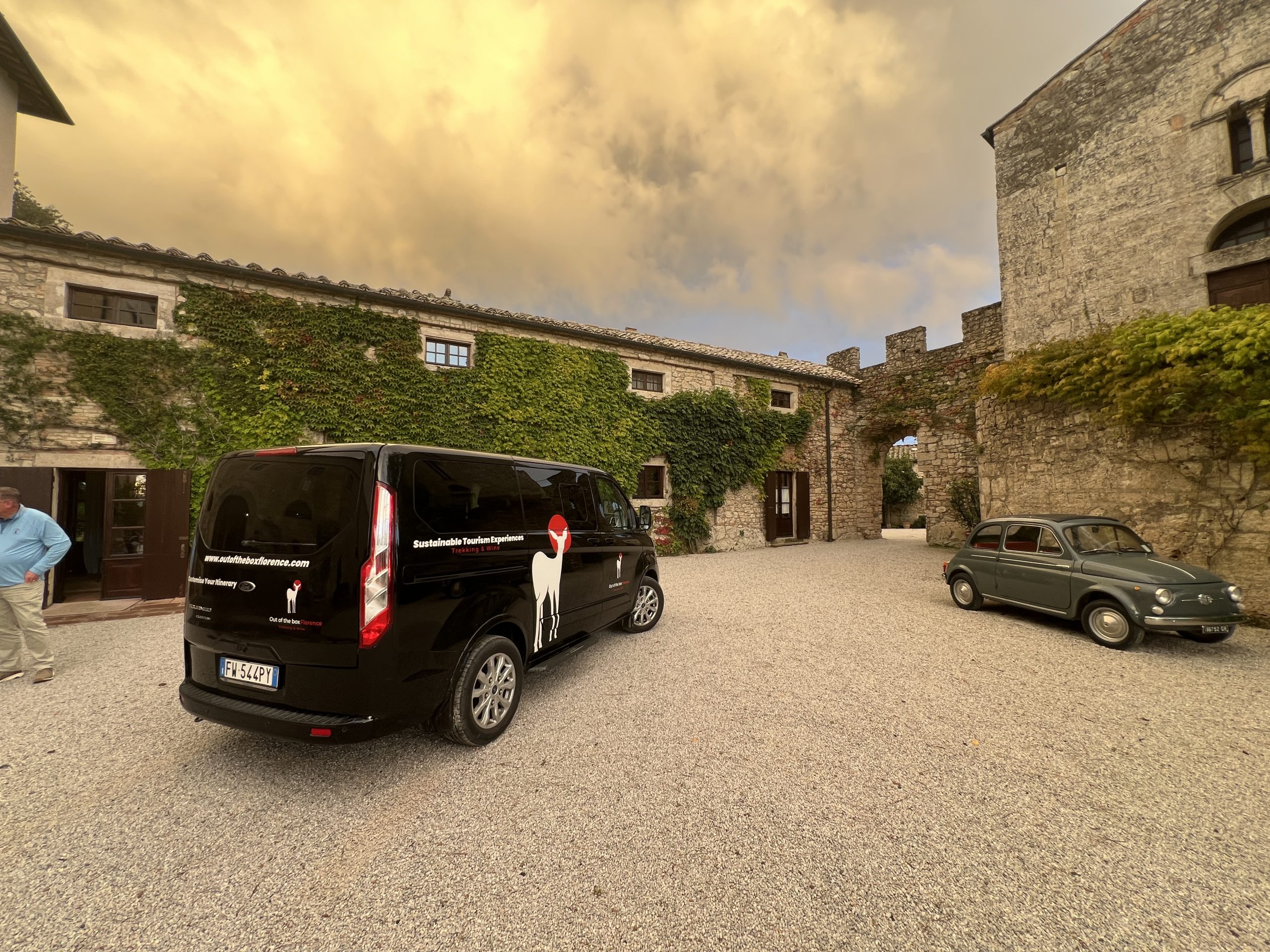
Our team at Out of the Box Florence runs sustainable hiking and gravel biking experiences through exactly this landscape — small groups, local guides, no coach, and wine tastings at family-run estates rather than resorts designed for bus groups.
Practical Tips Before You Go Hiking in Chianti
- Wear trail shoes or light hiking boots. The strade bianche are loose gravel, and some rocky sections are steep. Standard city sneakers become uncomfortable fast on the descents.
- Carry at least 1.5 litres of water per person. Water fountains (fontanelle) exist in most villages, but trail sections between them can take 2–3 hours to walk. Additionally, May afternoons warm up quickly.
- Download offline maps before leaving Florence. AllTrails and Komoot both have solid Chianti trail coverage. Mobile signal, however, is unreliable in the woodland sections between villages.
- Go on a weekday. Weekends in May and September bring notably more day-trippers from Florence. By contrast, Tuesday to Thursday mornings offer the quietest trail experience of the week.
Also consider pairing a Chianti hike with one of our Florence urban hikes — a great way to start a trip in the city and end it deep in the countryside.
Frequently Asked Questions About Hiking in Chianti
Is hiking in Chianti suitable for beginners?
Yes, several trails in Chianti work well for beginners. The Greve–Montefioralle loop, for example, is rated moderate and covers 8.7 km in 2.5–3 hours. However, the initial climb out of Greve is steep, so sturdy footwear is still important. For a very easy option, the short paved road from Greve’s main square to Montefioralle village takes just 25–40 minutes on foot.
What is the best single-day hike in Chianti for first-time visitors?
Most local guides recommend the Greve–Montefioralle loop as the best first hike in the area. It offers a clear, well-marked trail, a beautifully preserved medieval village at the top, and a manageable 8.7 km distance. Furthermore, Greve’s main square has a bar and a small market to stock up before setting off.
Can I combine hiking in Chianti with wine tasting?
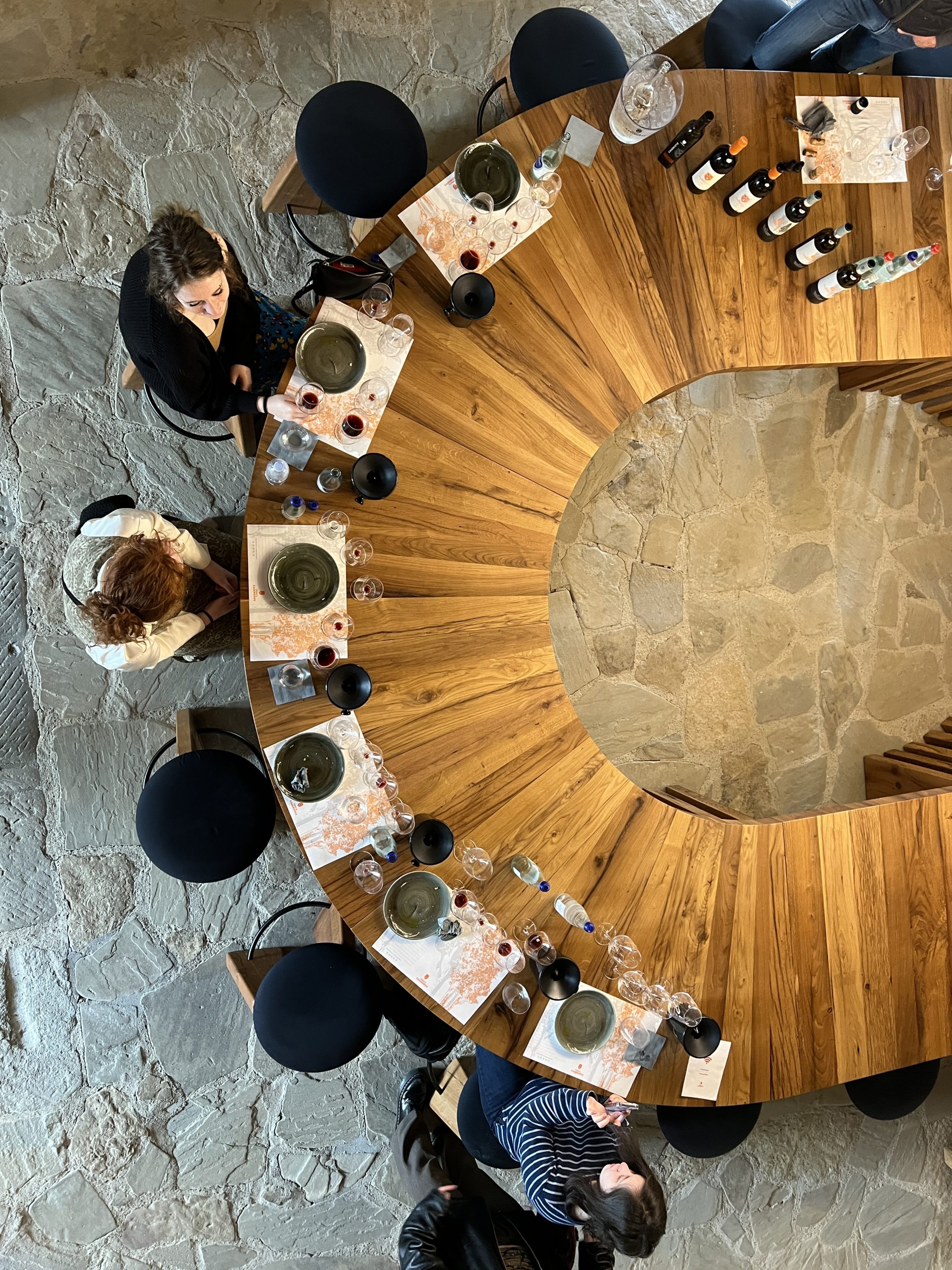
Absolutely — and this is, in fact, the whole point. However, the best approach is not a large bus-based wine tour. Instead, look for small producers with vendita diretta (direct sale) signs on the road, or book a guided experience that actually walks you through the vineyards rather than parking you in front of them. Our Chianti wine hiking trails page covers exactly this type of experience.
Is May a good month for hiking in Chianti?
May is, in fact, one of the best months to hike in Chianti. Temperatures are mild — typically 15°C to 22°C — and the vines are fully leafed out. Trails are also less crowded than in September. That said, weekends near Greve can get busy, so a midweek start is worth considering.
Ready to Go Hiking in Chianti? We Can Help
At Out of the Box Florence, we run small-group, locally guided hikes and gravel bike tours through Chianti and the wider Tuscan countryside. Our guides are Florentines who walk in this landscape every week. We do not do bus tours. Instead, we build walks and rides at a human pace, connecting places most visitors never reach.
Take a look at our sustainable hiking and biking experiences to find the right trip for you. Or get in touch through our contact form or email info@outoftheboxflorence.com. We reply to every message personally.