
Last updated 23 September 2026
Slow travel in Tuscany means fewer places, longer stays and days spent where residents still outnumber visitors. In Florence it has stopped being only a style choice. Since 2025 the city has banned tour loudspeakers, golf carts and key safes, and in June 2026 it froze new holiday rentals across more than 100,000 homes. Travelling slowly is how you visit without adding to the pressure.
We have run tours from Florence since 2020, and I guided in this region for many years before that. Every season looks the same: the centre fills between late morning and late afternoon, while the hills twenty minutes away stay almost empty. The gap between those two Florences is where slow travel happens.
| Where the pressure is | What we suggest instead | From Florence |
|---|---|---|
| Duomo and Ponte Vecchio, late morning to late afternoon | The same streets before 9 a.m., then the Fiesole hills | Half-day hike, about 250 m of climbing |
| Wineries along the main tour-bus roads | Small family-run estates in Chianti Classico | The DOCG zone starts about 20 km south |
| San Gimignano at midday | Arrive before 9:30 or after 5 p.m., pair it with Certaldo Alto | One area, two stops, one day |
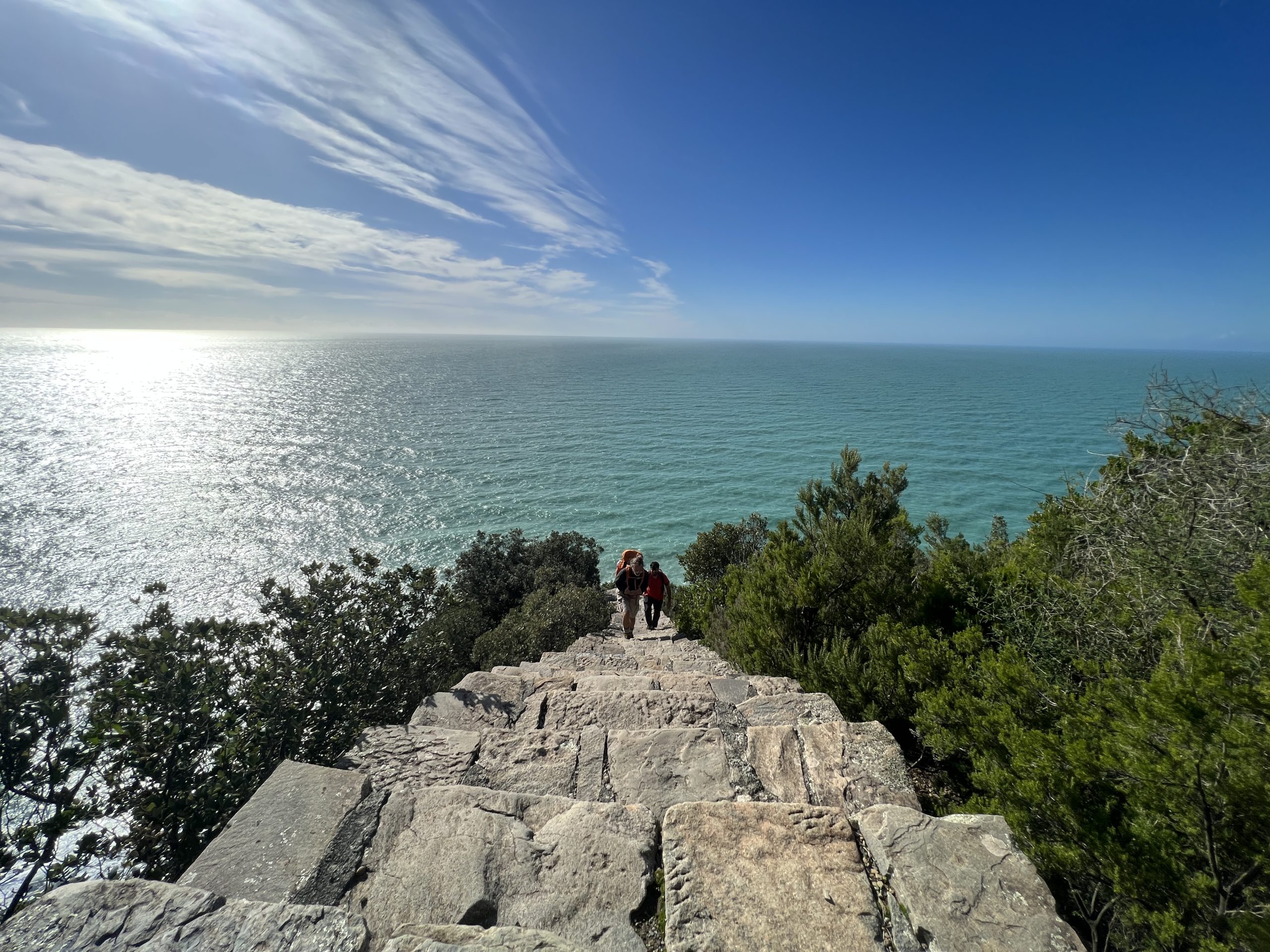
| Cinque Terre in August | Spring or autumn, on the hiking trails | About 220 km, a 12-hour day |
| Florence in July and August | The Casentino and Mugello forests | Mugello is 35–40 km north |
What does slow travel in Tuscany actually mean?
Slow travel is a simple trade: fewer places, more time in each. You pick one or two bases instead of six, and you spend your days where people actually live.
In practice it comes down to three habits. Stay at least four nights in the same place. Keep to one area per day, with two stops at most. And move under your own power when you can, on foot or by bike, because the pace changes what you notice.
Tuscany suits this better than most of Italy. Vineyards, forests and hill villages begin within half an hour of Florence, so a slow day does not mean a long drive. Our 3-day Tuscany itinerary from Florence is built on exactly the one-area-per-day rule.
How crowded is Florence, really?
Crowded enough that the city now regulates it. Local press put Florence at around 15 million visitors for 2024, and most of them spend their time in the same few streets of the historic centre.
Housing is where the pressure shows first. Inside Airbnb data reported by Florence Daily News counted about 10,900 holiday rental listings in 2023 and more than 12,200 in 2026, roughly 85% of them in the historic centre. When homes become holiday lets, residents move out, and the shops that served them follow.
The crowd is also concentrated in time. We see it every day. The Duomo square, Ponte Vecchio and the Uffizi queue fill from late morning, while the trails above Fiesole and the footpaths of Chianti Classico stay quiet at any hour.
What has Florence changed since 2024?
Four changes matter if you are planning a trip.
- Loudspeakers, golf carts and key safes. A ten-point plan presented by Mayor Sara Funaro in November 2024 banned loudspeakers for tour guides, golf carts used for tourism and the key boxes used for self check-in. Holiday rentals must also display their ID number outside the building. The rules took effect in 2025.
- A freeze on new holiday rentals in the centre. Since May 2025 no new short-term rental authorisations can be issued across the 35,593 homes of the UNESCO historic centre. Existing licensed rentals keep operating.
- The freeze extended in 2026. On 4 June 2026 the city council extended it to nine residential neighbourhoods outside the centre, including Campo di Marte, San Jacopino, Gavinana, Statuto and Rifredi. That adds 67,780 homes and takes the total above 100,000.
- Transport is next. The city's 2026 tourism plan includes new rules for hire-with-driver (NCC) vehicles, the category most private transfers and tours in Florence rely on. The current regulation dates from 1997.
What do the new rules mean for your trip?
Less than the headlines suggest, if you plan a little.
If you book an apartment, check that it is licensed. Legal rentals display their ID number and keep operating; only new authorisations are frozen. Supply in the centre and the surrounding neighbourhoods will not grow, so for spring and autumn it pays to book earlier than you would elsewhere in Italy.
In the historic centre, guided groups now speak without amplifiers and the golf carts are gone. Smaller groups simply work better in these streets.
None of the rules limits where you can go. They push in the same direction slow travel does: longer stays, smaller groups and more time outside the centre's busiest hours.
Where do we stand as a Florence tour operator?
We live here, so the crowds are not an abstract problem for us. Our guides shop in the same markets and queue at the same bakeries as the residents these rules are meant to protect.
That shapes how we run tours. Our groups are 2 to 15 guests and semi-private days are capped at 8, so nobody needs an amplifier. Most of our days happen outside the city: in the Fiesole hills, on the footpaths of Chianti Classico, in the Casentino forests. The wineries are small, often family-run and organic, and we take no commission on the wine they sell or on the visit, so the choice of cellar comes down to quality alone.
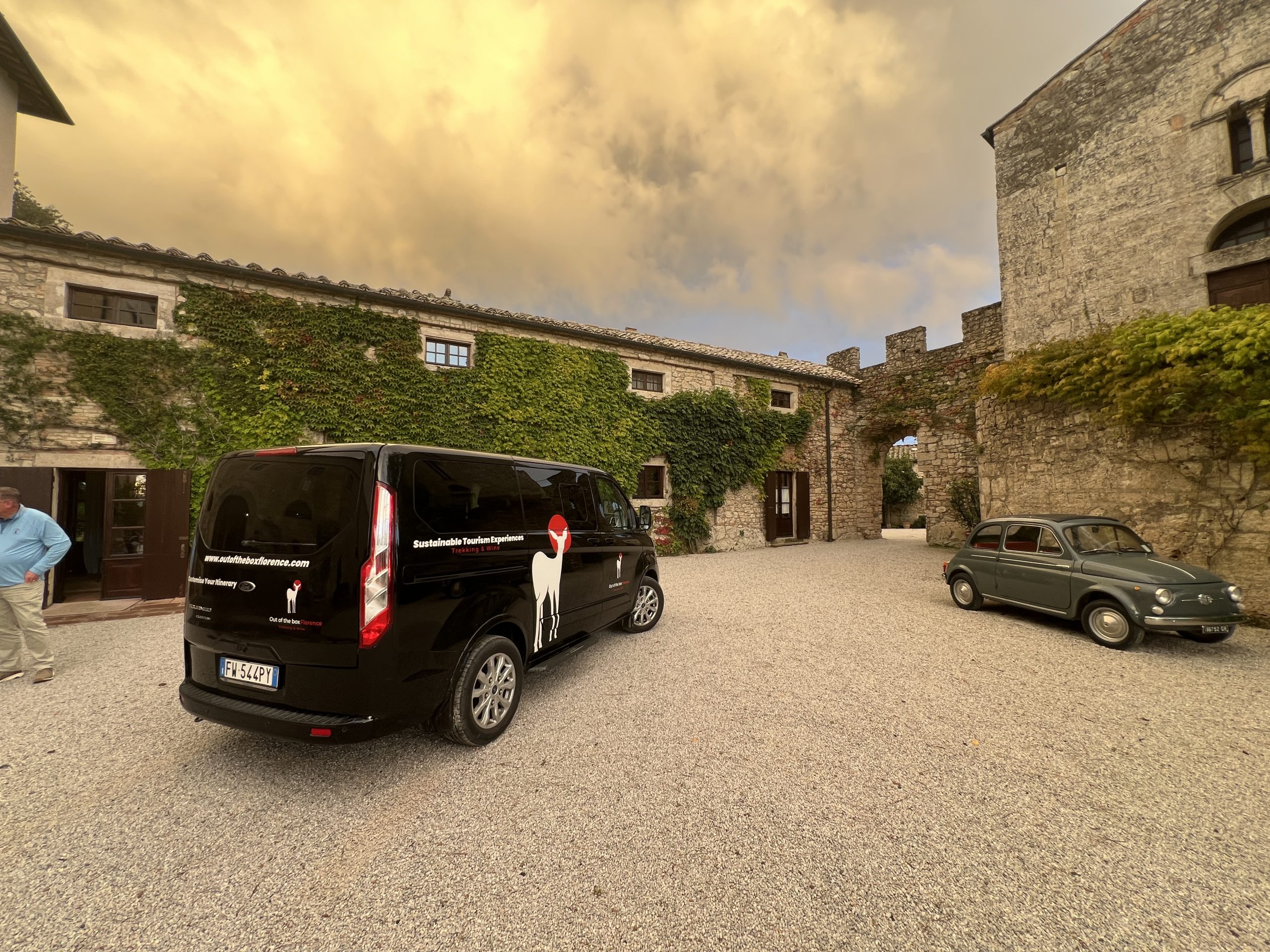
We also think a tour operator has to be honest about its own part. A day in the countryside with us still means a vehicle, a lunch booking and a cellar visit. What we can do is take that visit to places that welcome it, at hours that do not clash with the centre's peak, and make sure the money stays with the producers who host us. We run days from Siena too, which keeps some of the traffic away from Florence altogether.
More about who we are and how we work is on our About Us page.
How do you plan a slow trip in Tuscany?
Start with the number of days. Five is the realistic minimum for a first visit, two in Florence and three in the countryside, and seven is the comfortable length. We explain why in how many days you need in Tuscany.
Then choose bases, not stops. One base in Florence and, for a week or more, a second one in Chianti or southern Tuscany. Four nights in the same bed gives you a rest day, a market morning and time to settle into the place.
Plan one area per day, with two destinations at most. Chianti one day, Val d'Orcia another. Trying to fit both into the same day is how a holiday turns into a transfer.
Walk the centre early. Florence before 9 a.m. is a different city: the Duomo square is nearly empty and the markets are still setting up.
Use trains where they work. Pisa, Lucca and Siena are easy by rail. The wine estates are not: there is no useful public transport to them, so a vehicle is part of any wine day. Our guide to the best day trips from Florence covers which destinations work by train and which do not.
Which places near Florence take the pressure off?
Fiesole. The hill town above Florence, with Etruscan and Roman remains and the best view of the Duomo from outside the city. Our Florence Hike & Wine with lunch is a five-hour half day with about 250 m of climbing, a glass of wine on a bench facing the Duomo and lunch at an organic farm.
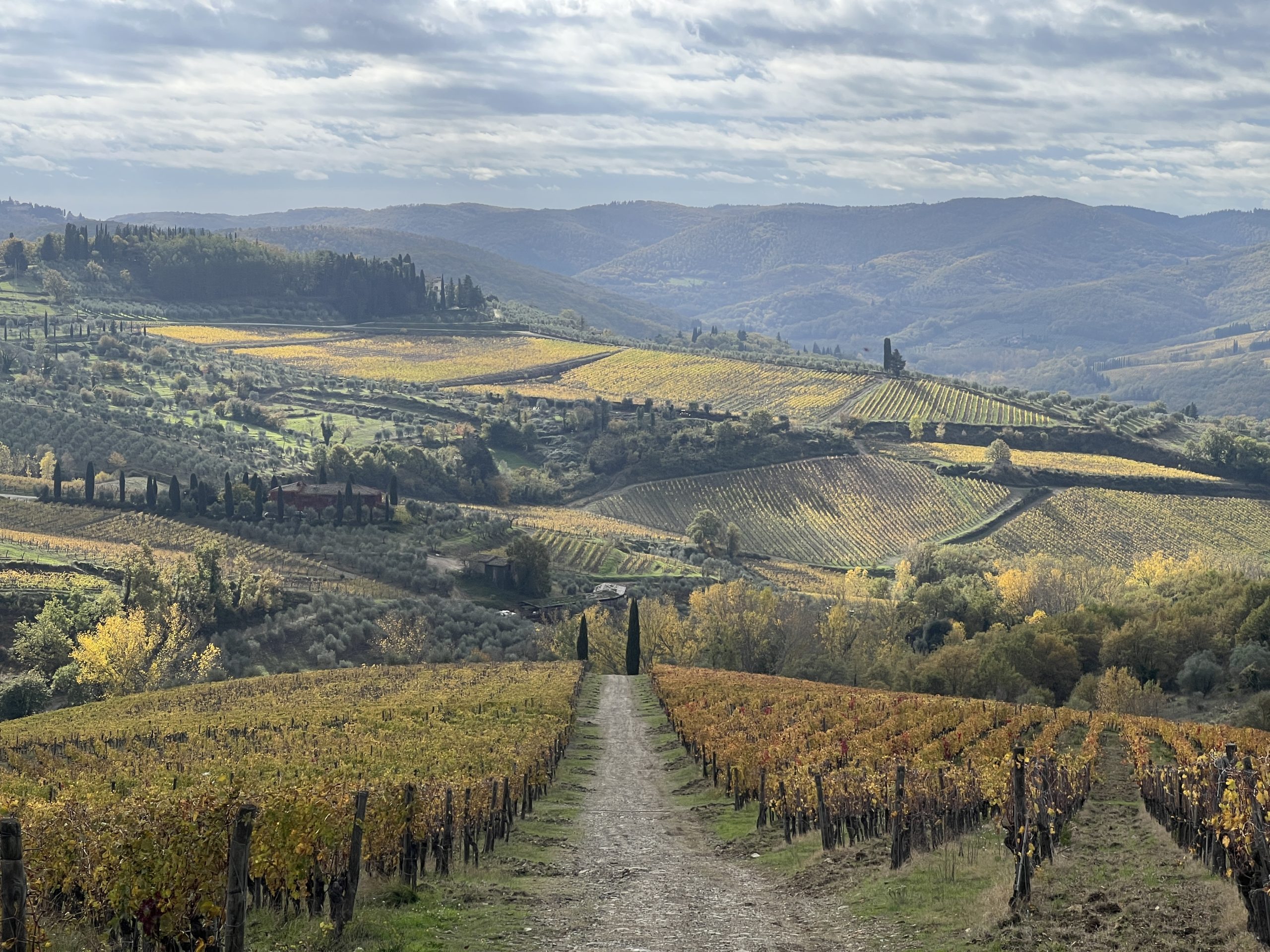
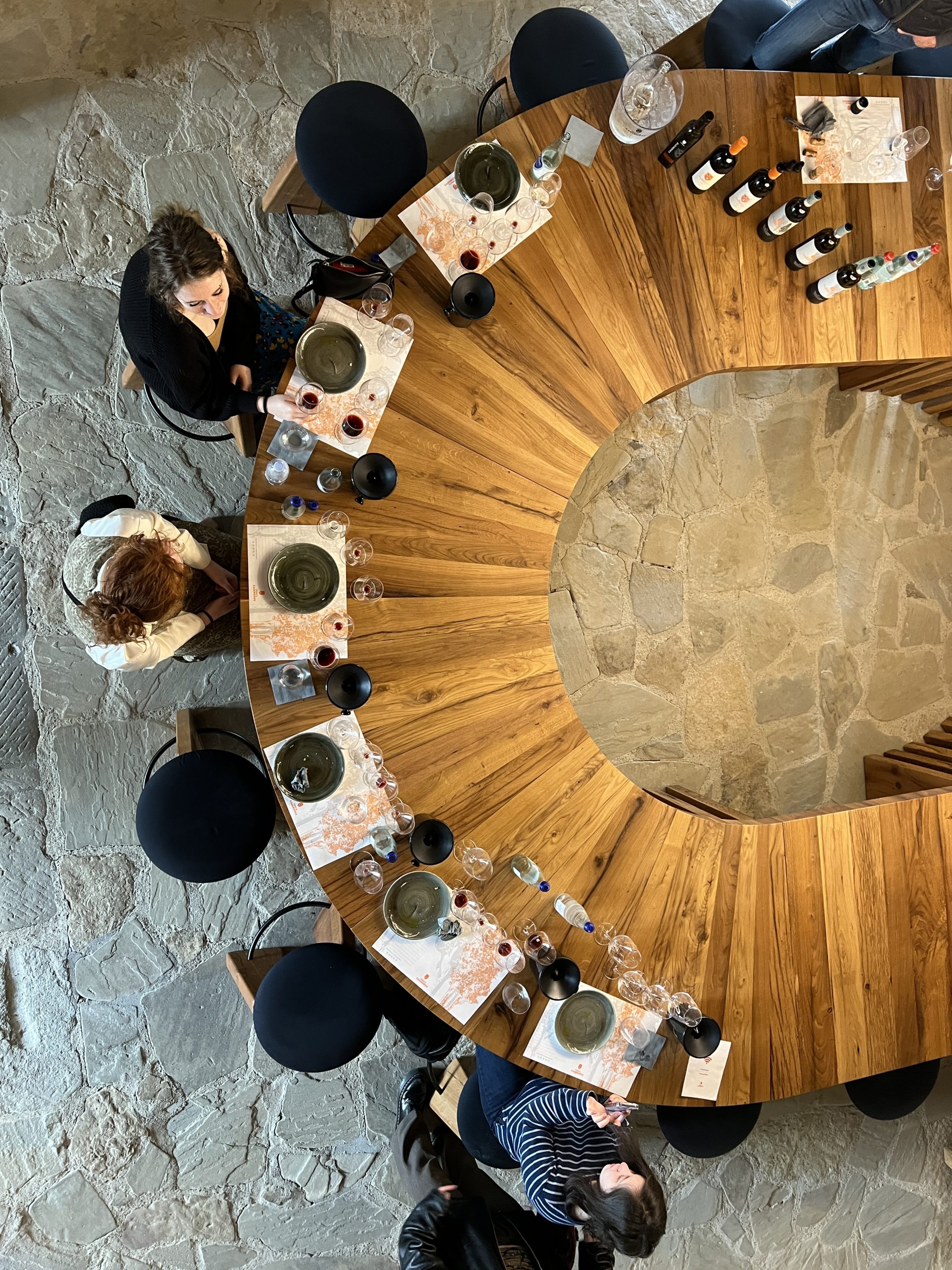
Chianti Classico on foot. The Chianti Classico wine hiking tour covers about 8 km of vineyard trails between three organic estates, with lunch and more than ten wines along the way.
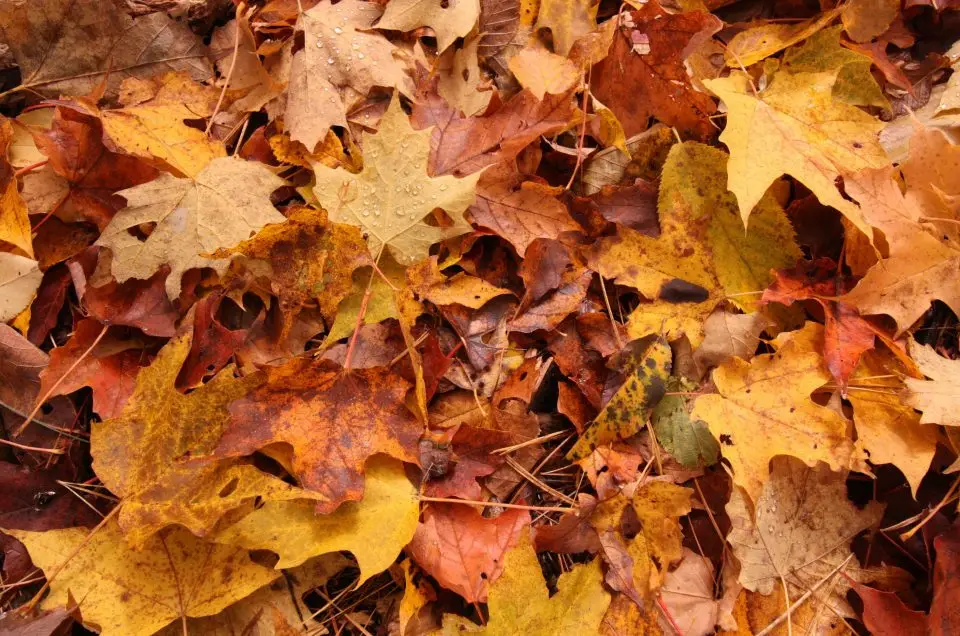
Casentino and Mugello. The Mugello is 35–40 km north of Florence; the Casentino, to the east, is one of the wildest corners of Tuscany, with ancient forests and small producers. Our Casentino & Mugello day spends eight hours there, with a winery, a honey producer and a cheesemaker. In autumn this is also where the colour is: see our autumn foliage guide.
The Arno. The Florence Boat & Wine is a one-hour ride past Ponte Vecchio and the Uffizi, seen from the river instead of the pavement.
Volterra. The Etruscan hill town we suggest to guests who want a walled town without San Gimignano's midday crowds. Our Volterra guide has the details.
When is the best time for slow travel in Tuscany?
- Late April to June: wildflowers, long evenings and the best hiking weather of the year.
- September and October: harvest season in Chianti Classico, warm days and softer light.
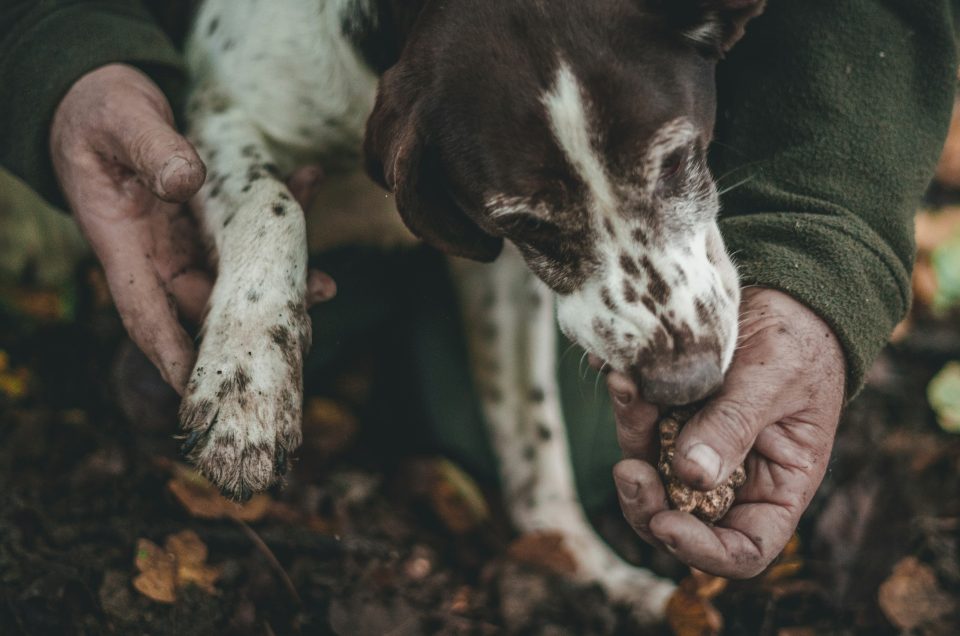
- November: olio nuovo and truffle season, with far fewer visitors in town.
- December to March: cold, quiet and the most local stretch of the year in Florence, with the Viareggio Carnival on the coast in February.
July and August are the hardest months for slow travel: hot, busy and expensive in Florence. If summer is your only window, go up. The Casentino and Mugello forests sit higher and stay cooler than the city.
Planning a slower trip with us
If you want a trip built this way, our tailor-made Tuscany tours start from how many days you have and what you actually want to see. You can also browse all our tours first. We answer every message personally, usually within a day.
Slow travel in Tuscany: frequently asked questions
What is slow travel in Tuscany?
Slow travel in Tuscany means visiting fewer places and staying longer in each. You choose one or two bases, plan one area per day and spend time where residents still live and work: small wineries, hill villages, forest trails. It is the opposite of a coach tour that covers four towns in ten hours.
Is Florence really overcrowded?
In the centre and at peak hours, yes. Local press put Florence at around 15 million visitors for 2024, concentrated in a small historic centre. Holiday rental listings grew from about 10,900 in 2023 to more than 12,200 in 2026, roughly 85% of them in the centre. Early mornings and the surrounding hills stay much quieter.
What rules has Florence introduced against overtourism?
Since 2025 Florence has banned tour guide loudspeakers, golf carts for tourism in the centre and key safes for self check-in, and holiday rentals must display their ID number. New short-term rentals are frozen in the UNESCO centre, and in June 2026 the freeze was extended to nine more neighbourhoods, covering over 100,000 homes.
Can I still rent an apartment in Florence?
Yes. The freeze stops new holiday rental authorisations, not existing licensed ones, which keep operating. Check that the listing is licensed and that the property displays its rental ID number. Supply in the centre and nearby neighbourhoods will not grow, so for spring and autumn it makes sense to book earlier than you would elsewhere.
How many days do I need for slow travel in Tuscany?
Five days is the realistic minimum for a first visit: two in Florence and three in the countryside. Seven days is the comfortable length and allows a second base in Chianti or southern Tuscany. With fewer than five, stay in one region and resist adding towns, because the driving eats the time you came for.
Can I do slow travel in Tuscany without a car?
Partly. Pisa, Lucca and Siena are easy by train, and Fiesole is a short bus ride from Florence. Chianti villages have regional buses, but the wine estates do not: there is no useful public transport to them. For wine country you need a vehicle, either a rental with a designated driver or a guided day.
What is the best time of year for slow travel in Tuscany?
Late April to June and September to October offer the best balance of weather, light and crowds. November is quieter still, with olio nuovo and truffle season. July and August are the hardest months: hot and busy in Florence. If summer is your only option, head for the cooler forests of Casentino and Mugello.
How can visitors reduce their impact on Florence?
Stay longer in fewer places, book licensed accommodation and visit the centre early in the morning or in the evening. Spend your countryside days with small, locally owned businesses, where the money stays with the producers. Choose small groups over coach tours: in the historic centre, tour guides can no longer use amplifiers anyway.