
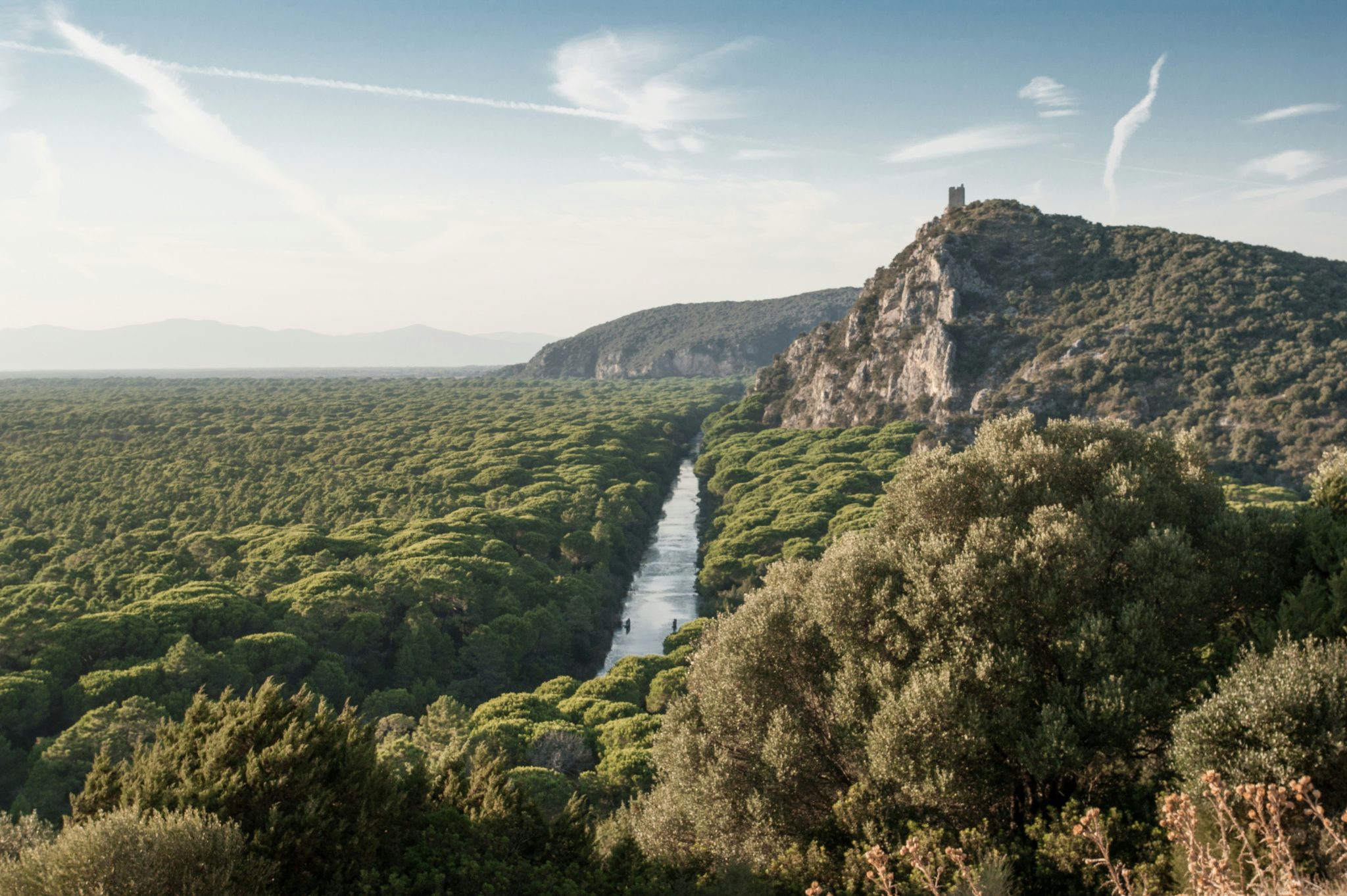
Maremma Tuscany: Italy's Wild, Uncrowded Coastal Escape
Reading time: 8 minutes · Last updated: July 5, 2026
Forget the cypress-lined postcard for a moment. Indeed, Maremma Tuscany is the region's wilder, quieter half. In a record year for Italian tourism, that quiet matters more than ever. Buses queue outside the Uffizi, yet Maremma Tuscany still moves at the pace of a horse on a coastal trail. Consequently, it is now the region insiders mention first when asked where to go instead.
In short, this guide covers the beaches, hot springs, hill towns, and wine roads of Maremma Tuscany. It also gives honest advice on timing. In addition, it explains why this is not a day-trip destination — and why that is exactly the point.
What Makes Maremma Tuscany Different From the Postcard Version
Florence, Siena, and the Val d'Orcia built their reputation on art, order, and Renaissance elegance. Maremma Tuscany, by contrast, grew up around wilderness, ranching, and frontier life. The region sits in the southwestern corner of Tuscany. From there, it stretches from pine forests and marshland down to the Tyrrhenian coast near Grosseto.
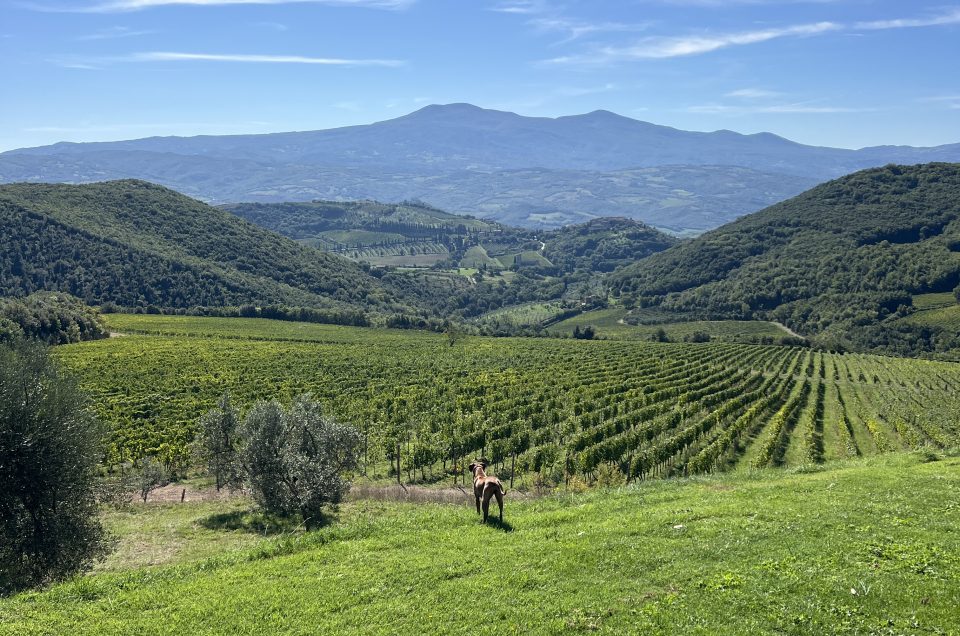
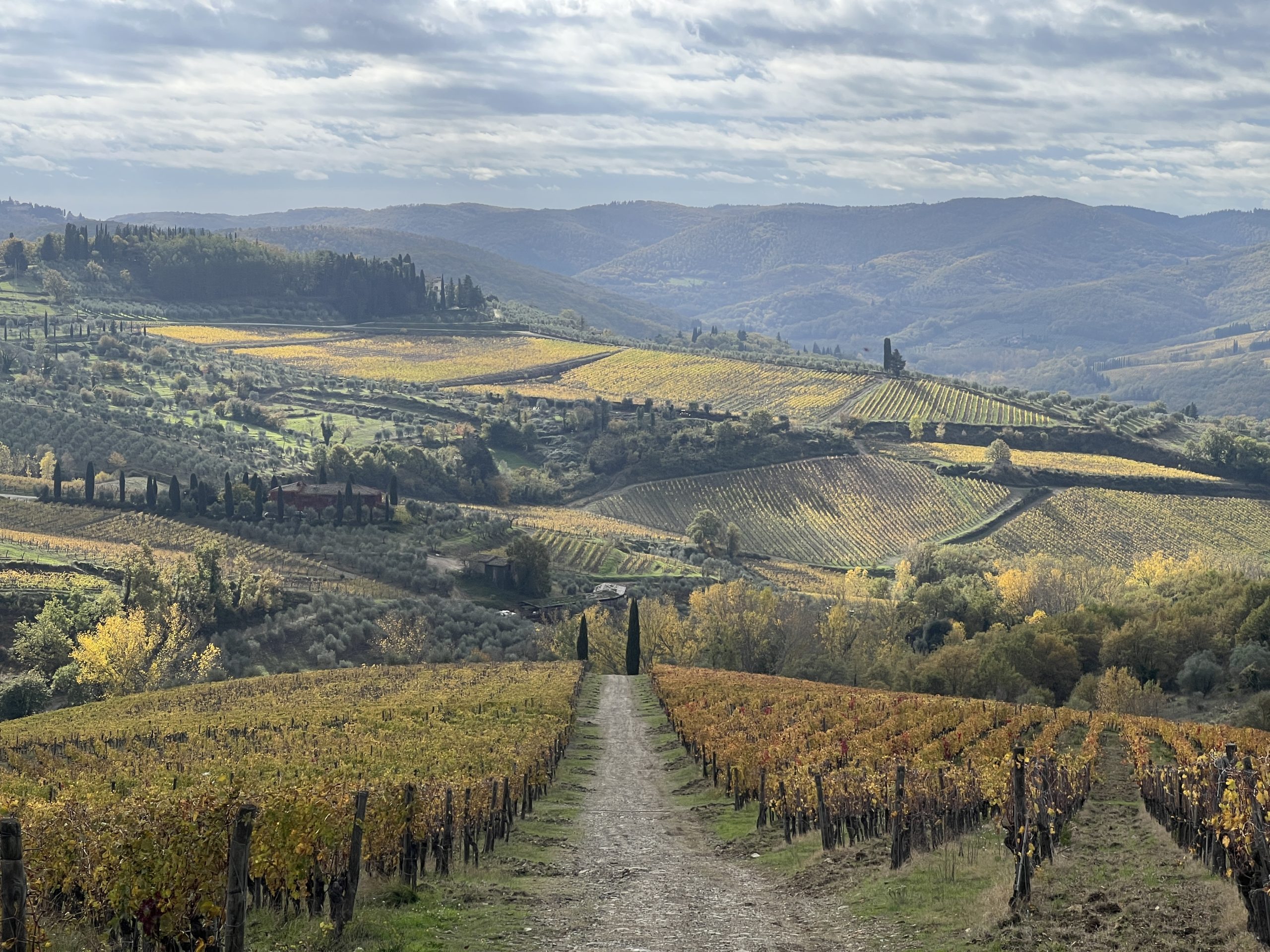
As a result, the landscape feels different the moment you arrive. Instead of manicured vineyards on every hilltop, you find scrubland, watchtowers, and long empty beaches. Meanwhile, the towns still run on their own schedule rather than a tour-bus timetable. That contrast is precisely why Maremma Tuscany has become the region's quiet alternative. Many travelers already did the Chianti-Val d'Orcia loop and want something less staged.
Parco Regionale della Maremma: Trails, Beaches, and Wild Coastline
The heart of outdoor Maremma Tuscany is the Parco Regionale della Maremma. Locals also call it the Uccellina Park, spread between Alberese, Principina a Mare, and Talamone. Inside, a dozen or so signed trails wind through Mediterranean scrub, pine forest, coastal dunes, and wetlands.
- First, Path A2, "Le Torri," is an easy 5–7 km walk. It connects medieval watchtowers before reaching the beach at Marina di Alberese.
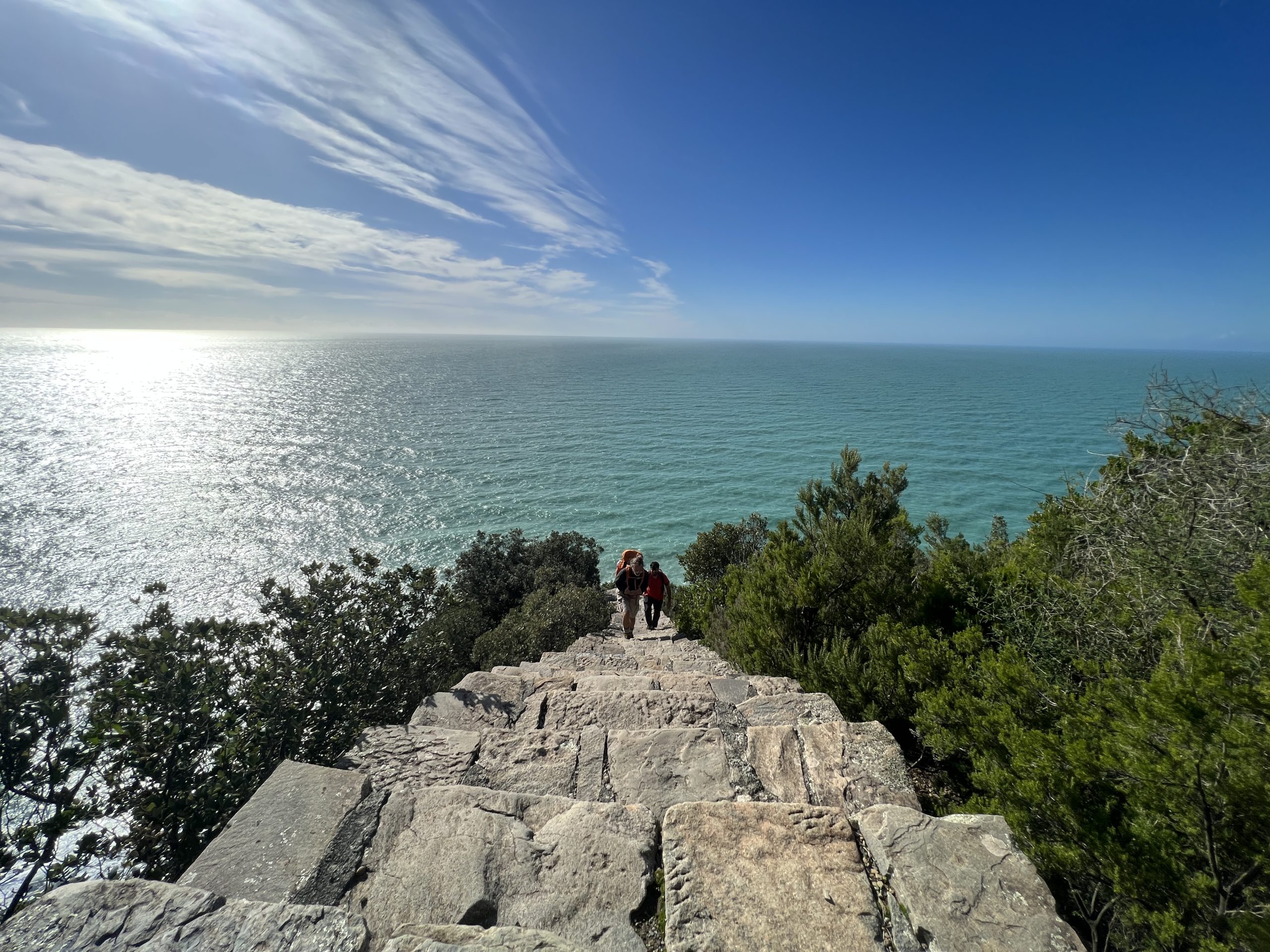
- Second, Path A1 climbs roughly 7.8 km uphill to the ruined San Rabano Abbey. The reward is a sweeping coastal view from the Torre di Uccellina.
- Finally, longer routes push out to Cala di Forno, a wilder stretch of coast at the park's southern edge.
From April through September, the park runs on a summer visiting system. Entry costs around €10 for adults, and larger groups need a licensed guide. Therefore, book your slot at the Alberese visitor center in advance. It is open daily from 8 a.m. to 8 p.m., so plan ahead rather than showing up and expecting to wander in freely.
Nearby, Cala Violina rewards a short walk in from the car park. It is a secluded, protected beach known locally for its "singing sand" — fine quartz grains said to squeak underfoot. Since access is limited to protect the dunes, arriving early is the only way to get a quiet stretch of shoreline to yourself.
Saturnia's Free Hot Springs: Maremma Tuscany's Natural Spa
Indeed, few sights capture Maremma Tuscany better than the Cascate del Mulino at Saturnia. Volcanic activity deep underground warms the water to a constant 37.5°C. It flows across limestone terraces, forming a natural series of pools and small waterfalls just outside the village.
Unlike most thermal spas in Italy, these pools are completely free. Also, they stay open around the clock, every day of the year. However, that also means they get busy fast once the sun is properly up. For that reason, arrive at dawn if you want the experience without a crowd. Locals and photographers alike treat sunrise as the unofficial best hour.
There are no changing rooms beyond a small seasonal café with toilets and showers, so pack accordingly. Even so, few free experiences in Tuscany deliver this much reward for so little planning.
Pitigliano and the Hill Towns of Maremma Tuscany
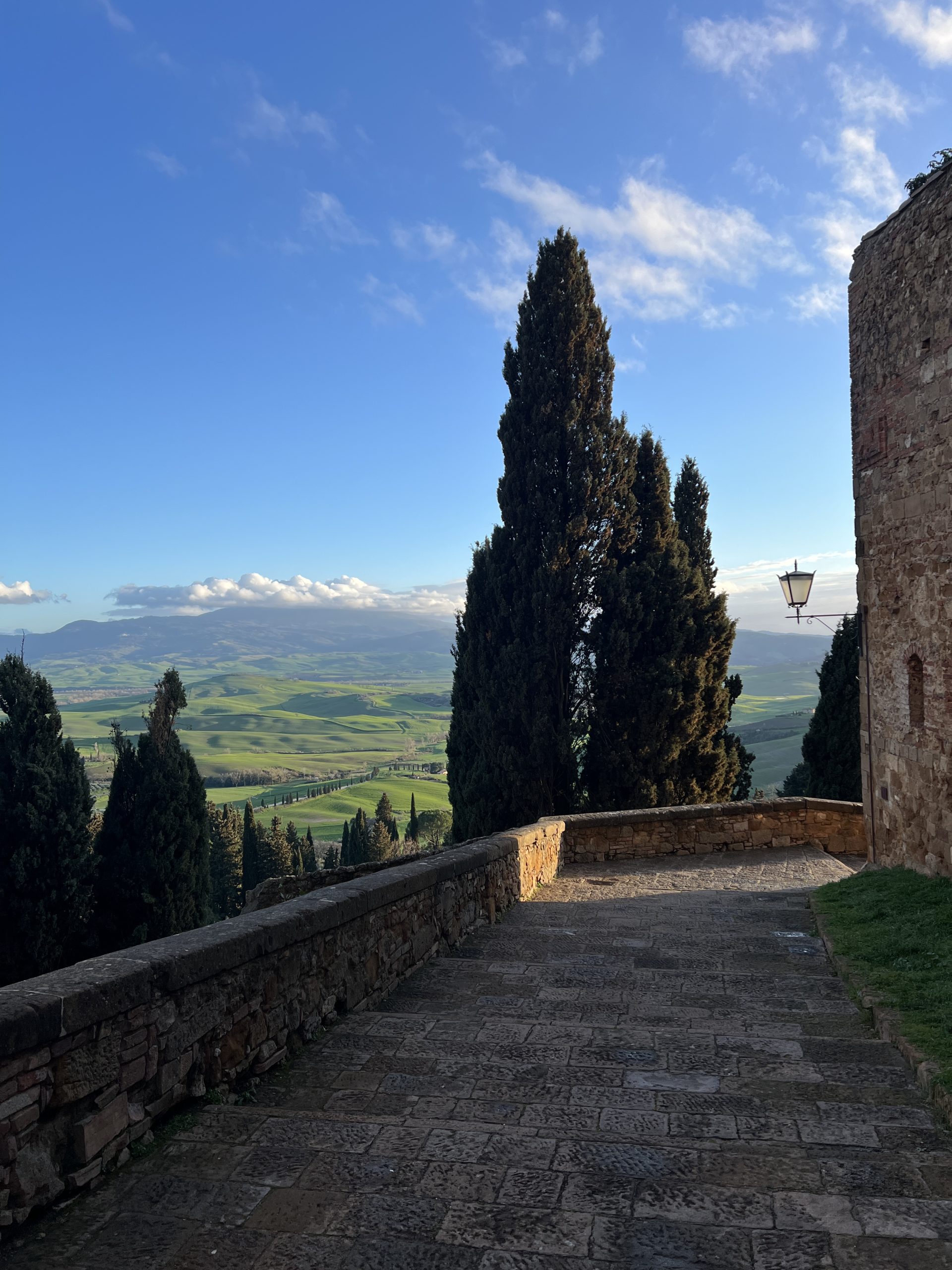
Inland, Maremma Tuscany trades beaches for tuff-stone hill towns that seem to grow directly out of the rock. Indeed, Pitigliano is the standout. Houses, towers, and old city walls blend into the volcanic cliff face so completely that the skyline looks almost sculpted rather than built.
The town also carries the nickname "Little Jerusalem." This references a Jewish community that settled here centuries ago and shaped much of its history and architecture. Pitigliano is officially recognized among I Borghi più Belli d'Italia, the association that catalogs Italy's most beautiful historic villages. It is easy to see why once you are standing beneath those cliffs.
Sorano and Sovana, both close by, round out a loop of tuff towns. Ancient sunken roads, carved directly into the rock and known locally as "vie cave," connect them. Together, they make a strong case for spending a full day inland before heading back to the coast.
Wine Country: Morellino di Scansano in Maremma Tuscany
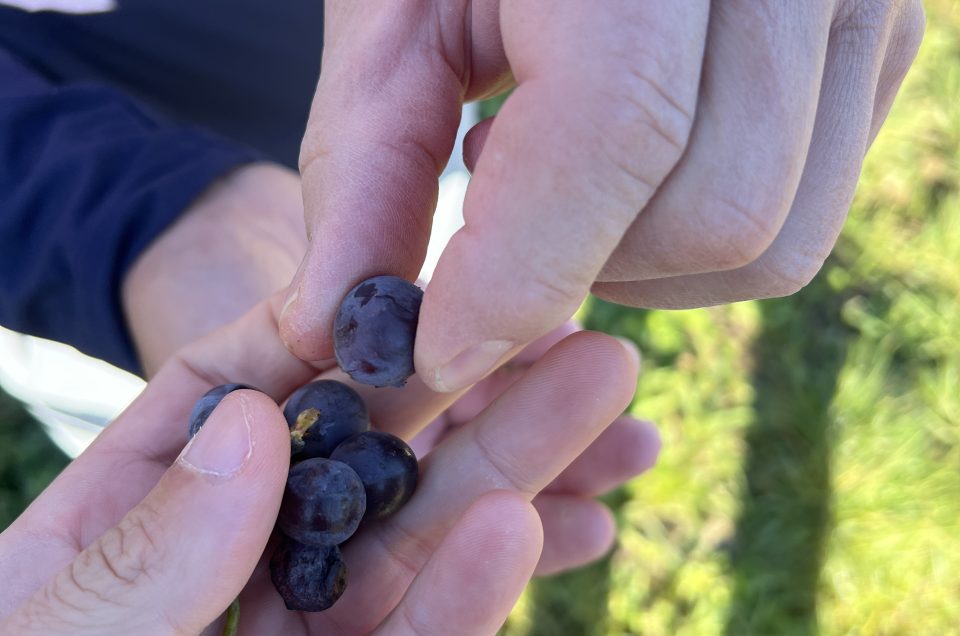
Maremma Tuscany is also serious wine territory, even though it rarely gets the same billing as Chianti or Montalcino. Morellino di Scansano is the region's flagship red. It is made from at least 85 percent Sangiovese — the same grape behind Chianti and Brunello — grown on coastal hills between 100 and 350 meters above sea level.
First, the wine earned DOC status in 1978. Then it was promoted to DOCG, Italy's highest classification, starting with the 2007 vintage. Meanwhile, cool sea breezes balance summer heat here, giving Morellino a softer, fruitier character than its inland cousins.
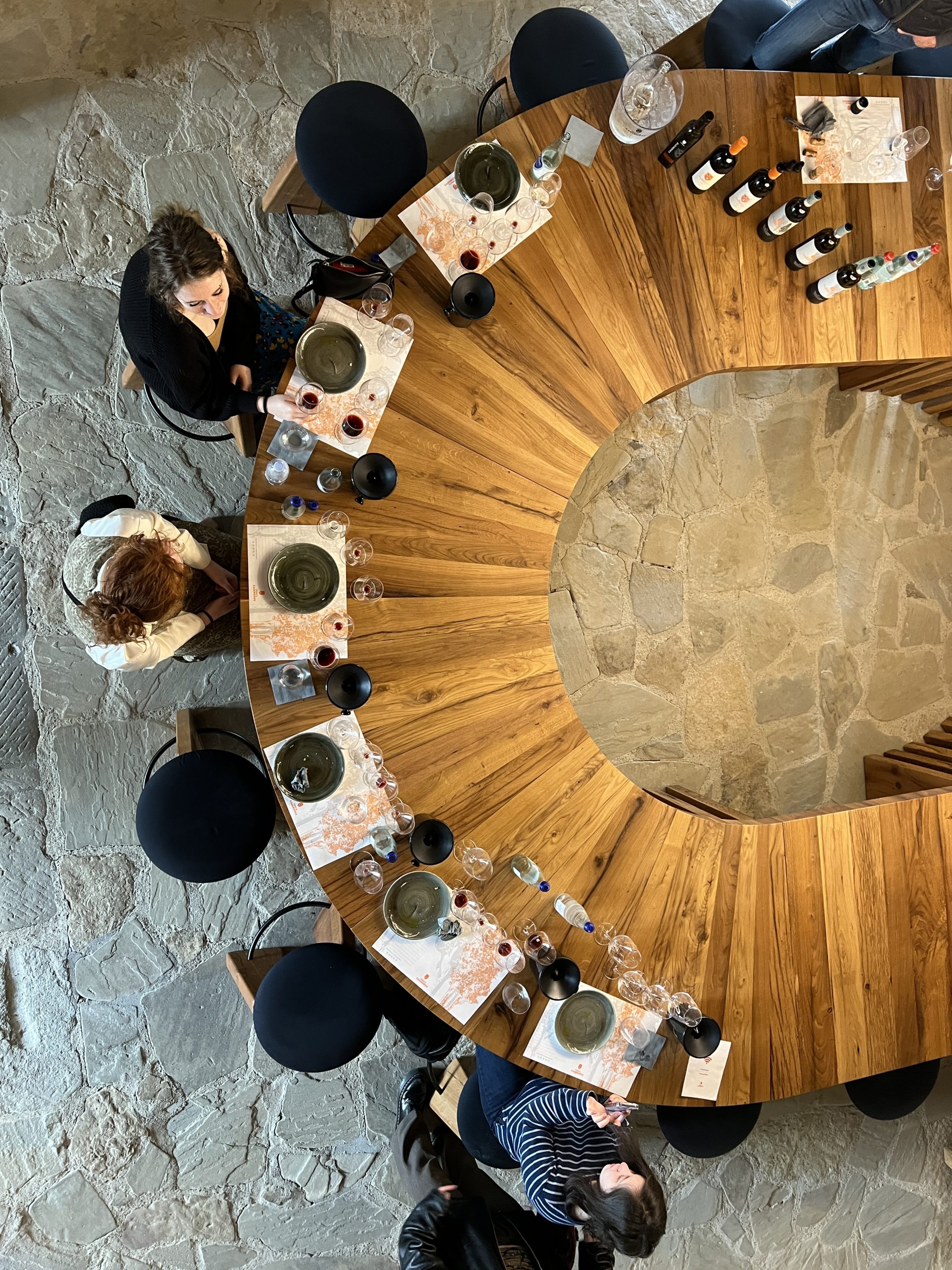
A growing number of small, family-run estates around Scansano welcome visitors for tastings by appointment. Instead of a coach-load tasting room, expect a conversation with the person who actually grows the grapes.
Meet the Butteri: Maremma Tuscany's Original Cowboys
Long before "agriturismo" became a marketing word, Maremma Tuscany had its own cowboys: the butteri. For generations, these herdsmen managed free-ranging Maremmana cattle. They also handled the Cavallo Maremmano horse across open pasture, forest, and coastal grassland.
Riding with one hand, a buttero carries a hooked stick called a mazzarella to guide the herd. Although their working world has shrunk since the days of large cattle drives, several estates around the park still keep the tradition alive. Still, demonstrations and guided horseback rides remain common today.
For visitors who want more than a photo, a short ride with a local stable is a far better option. It offers a more grounded way to meet Maremma Tuscany's rural culture than a folklore show built for a bus schedule.
How to Reach Maremma Tuscany Without Joining a Bus Tour
Here is the honest part: Maremma Tuscany is not a day trip from Florence. For instance, Saturnia sits around 200 km south, roughly a 2 hour 45 minute drive. Meanwhile, Grosseto, the region's main hub, is closer at about 143 km. As a result, this suits a two-to-three-night stay, not a rushed detour.
That distance is actually good news for travelers who dislike bus tours. Because Maremma Tuscany sits outside the standard Florence-Siena-San Gimignano-Pisa circuit, mass-market coach operators rarely bother routing here. Consequently, the towns, trails, and beaches stay noticeably calmer than the postcard towns further north.
- A rental car gives the most freedom, since public transport between the park, Saturnia, and the hill towns is limited.
- Instead, base yourself in or near Grosseto, Manciano, or Pitigliano rather than trying to see everything from one hotel.
- Skip the big coach-tour wineries in favor of small, family-run estates that take reservations directly.
- Pair Maremma Tuscany with a slower Tuscany itinerary instead of bolting it onto a whirlwind week in Florence and Rome.
If this slower, small-group approach sounds appealing, it is exactly the philosophy behind our own sustainable travel experiences around Florence and Tuscany. We build trips around real places and real people, not a schedule designed for forty seats.
Best Time to Visit Maremma Tuscany (and How Long to Stay)
July and August bring the heaviest crowds and the hottest weather to Tuscany overall. Indeed, daytime highs regularly climb above 30°C. Even so, Maremma Tuscany handles the heat better than inland cities, thanks to sea breezes along the coast and shaded trails inside the park.
Spring and early autumn remain the sweet spot for hiking without midday heat. Summer mornings, on the other hand, work best for both the park and the Saturnia springs. Either way, plan for at least two full days: one for the coast, one for Pitigliano and the wine roads inland.
Frequently Asked Questions About Maremma Tuscany
Is Maremma Tuscany worth visiting?
Yes. Maremma Tuscany offers beaches, hiking trails, hot springs, hill towns, and wine country with far fewer crowds than Chianti or the Val d'Orcia. This makes it one of the best off-the-beaten-path additions to a Tuscany itinerary.
How far is Maremma Tuscany from Florence?
In short, Grosseto, the regional hub, sits about 143 km from Florence. Meanwhile, Saturnia is roughly 200 km away, around a 2 hour 45 minute drive by car.
Can you visit Maremma Tuscany as a day trip from Florence?
Not comfortably. Given the driving distance, Maremma Tuscany works far better as a two-to-three-night stay rather than a single-day excursion from Florence.
What is the best time to visit Maremma Tuscany?
Spring and early autumn offer the mildest hiking weather. Summer is still workable if you visit the park and Saturnia's pools in the early morning, before the heat and crowds build.
Are the Saturnia hot springs really free?
Yes. The Cascate del Mulino pools near Saturnia are free and open to the public 24 hours a day, year-round. That said, a small seasonal café nearby charges only for showers and changing facilities.
Do you need a car to explore Maremma Tuscany?
A car is strongly recommended. Public transport between the park, Saturnia, and the inland hill towns is limited, so a rental car gives far more flexibility than buses or trains alone.
Plan Your Slow Tuscany Trip With Locals Who Know the Difference
Maremma Tuscany rewards travelers willing to slow down, and so does Florence itself. Before or after your Maremma detour, skip the standard bus-tour circuit in the city. Instead, explore it the way locals actually do: on foot, in small groups, off the main piazzas.
First, start with our Florence urban hikes for a walkable, crowd-free introduction to the city. Alternatively, join our boat and wine tour on the Arno for a small-group evening that feels nothing like a coach excursion. Explore the full range of experiences on our homepage.
Back in Florence and looking for somewhere to eat that locals actually use? Our curated map, Florence Off the Beaten Path: From Real Locals, is a better starting point than any tourist-strip menu board.
Questions about building a Maremma-and-Florence itinerary that skips the bus tours entirely? Finally, get in touch through our contact form or email us directly at info@outoftheboxflorence.com — we plan every trip around real places, not a bus schedule.