
Chianti Harvest (Vendemmia) in September: What Actually Happens in the Cellar
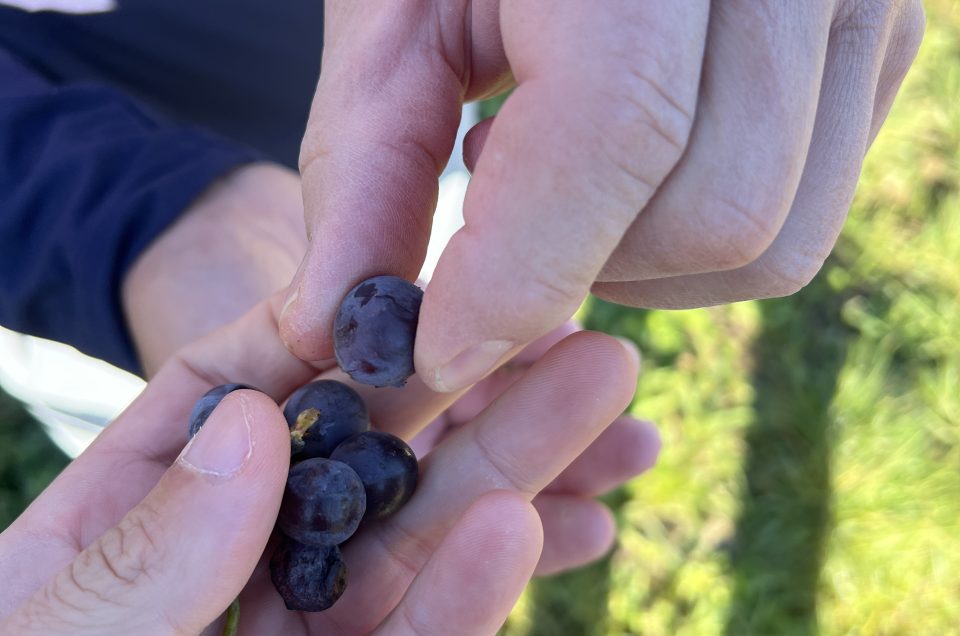
In Chianti Classico the Sangiovese harvest usually starts between 10 and 20 September and finishes in the first half of October. For those four weeks the cellar works 12 to 16 hours a day: grapes arrive in small crates, get sorted by hand, destemmed and fermented. The tasting room becomes a working floor.
September is the month most travellers picture when they imagine Tuscany. It is also the month when a winery has the least time for visitors. Both things are true at once, and knowing which one you are walking into changes the whole day.
The 2026 harvest is running early. Producers in Chianti Classico reported véraison, the point when the grapes change colour, roughly 7 to 10 days ahead of average, and in early August the Tuscan regional government approved reduced yields for the 2026 vintage across Chianti Classico, Chianti and Brunello di Montalcino.
Chianti Classico Harvest: Key Facts
| Where | Chianti Classico DOCG, between Florence and Siena, about 40 km south of Florence |
| Main grape | Sangiovese, 80 to 100% of the blend. White grapes have been banned in the denomination since 2006 |
| Typical harvest window | Sangiovese picked from 10 to 20 September, finishing in the first ten days of October |
| 2026 vintage | Véraison 7 to 10 days ahead of average; Tuscany approved reduced yields for the 2026 harvest |
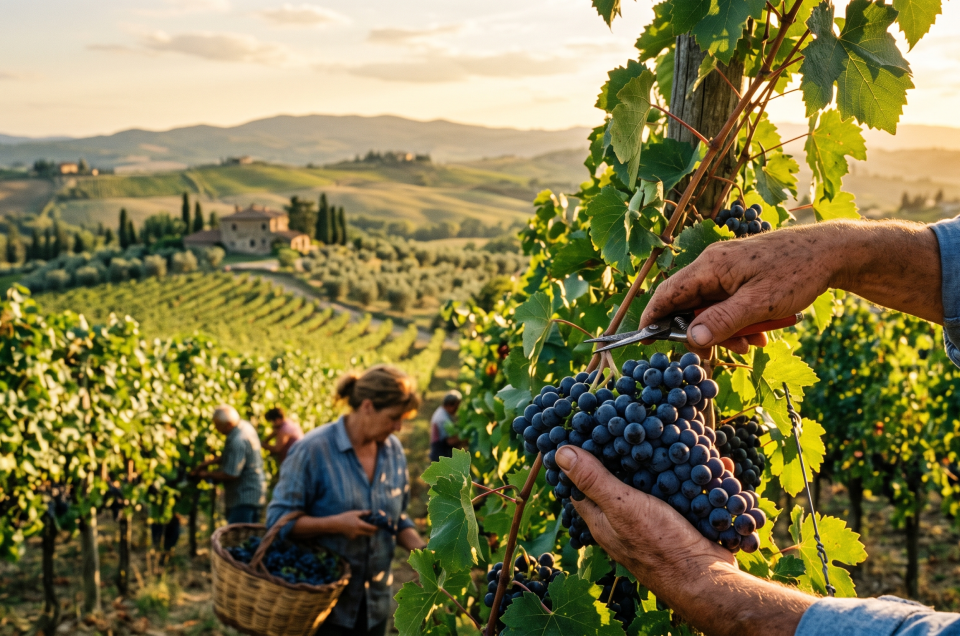
| How grapes are picked | By hand on the steeper sites, into crates of roughly 15 to 20 kg |
| Fermentation | Around 7 to 10 days at 26 to 30 °C, with 10 to 20 days of maceration on the skins |
| 2026 Annata on sale from | 1 October 2027 |
When Does the Chianti Classico Harvest Actually Start?
There is no fixed date. The Consorzio does not open the harvest with a starting gun, and each estate picks when the sugar, the acidity and the tannins line up in its own vineyards.
Recent vintages give a useful range. In 2022 Sangiovese picking began around 10 September. In 2023 it started closer to 20 September and ran into the first ten days of October, with the denomination producing 305,000 hectolitres. In 2024 a cooler, wetter season pushed the start past mid-September and stretched the harvest to mid-October.
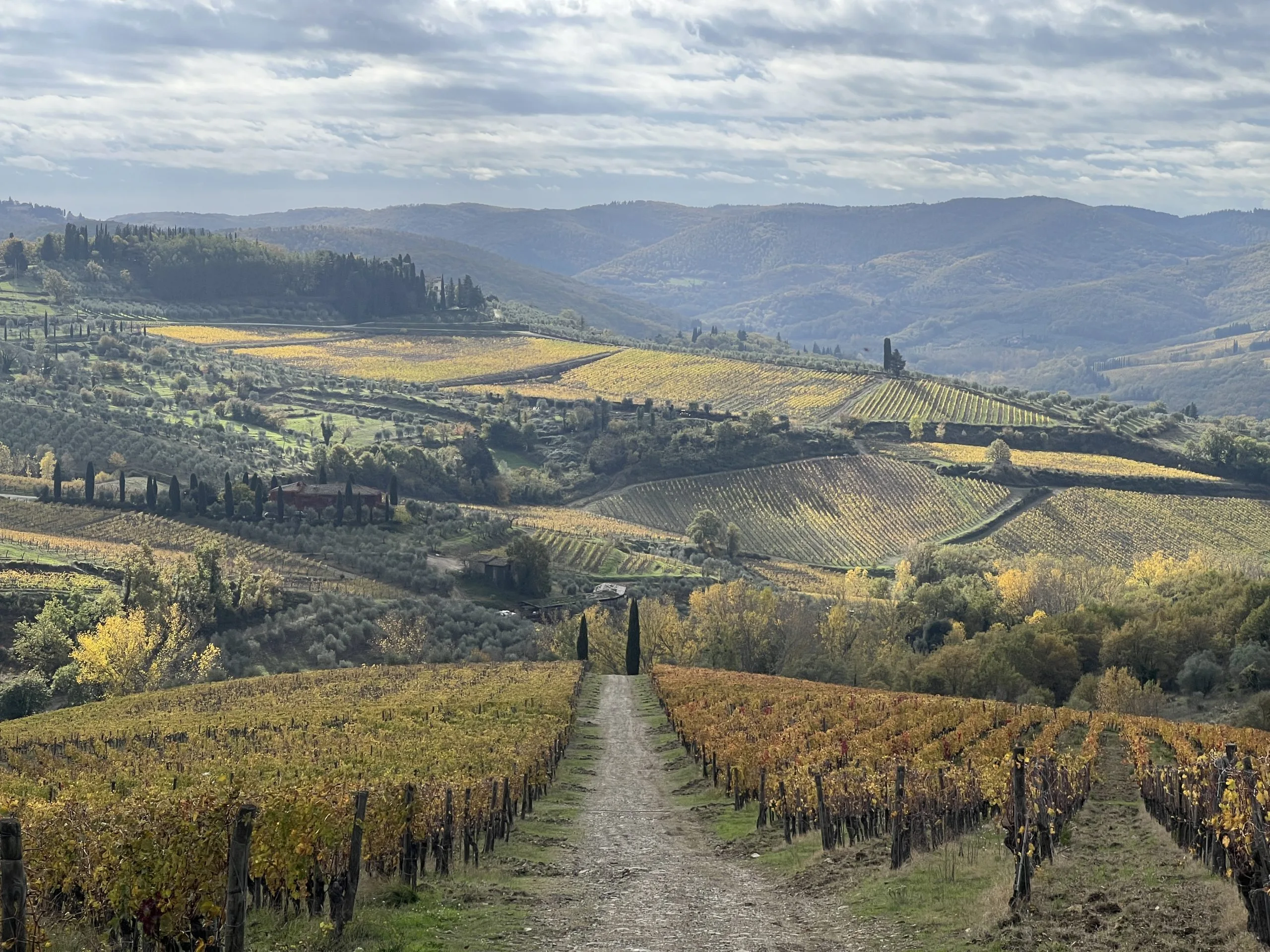
Altitude decides the order. The warmer, lower vineyards around San Casciano, roughly 20 minutes south of Florence, ripen first. The high sites in Radda and Lamole sit above 500 metres and are often picked one to two weeks later, which is exactly why their wines stay leaner and more nervous. If you want to understand how much this matters, the differences between the eleven Chianti Classico UGA micro-areas are mostly a story about elevation and soil.
International varieties and anything destined for a fresher blend come in earlier. Sangiovese is almost always the last red picked, and in some estates a small block of Colorino is left hanging even longer.
What Happens Inside the Cellar During the Vendemmia?
The picking itself is the visible part. The cellar is where the vintage is actually decided.
Crates come in from the vineyard, usually before the heat builds, and go straight onto a sorting table. Two or three people stand there and throw out anything unripe, sunburnt or split. This is unglamorous, repetitive work, and it does more for the final wine than any barrel choice made six months later.
The fruit then goes through the destemmer, which separates berries from stalks, and drops into tanks of steel, cement or wood. Fermentation starts within a day or two and runs roughly 7 to 10 days at 26 to 30 °C. Two or three times a day someone either pumps juice over the cap of skins floating on top or pushes that cap back down by hand, which is how colour and tannin get pulled out of the skins.
Maceration on the skins lasts around 10 to 20 days for an Annata and longer for wines destined to become Riserva. Then the wine is drawn off, the skins are pressed, and by late October or November malolactic fermentation softens the acidity. Only after that does anyone start talking about barrels.
One practical detail nobody mentions in the brochures: fermenting tanks produce carbon dioxide, which is heavier than air and pools at floor level. Good cellars keep the doors open and the fans running in September, and nobody sensible walks into a tank room alone during the harvest.
Can Visitors Take Part in the Grape Harvest?
Honestly, in most cases no, and you should be suspicious of anyone who promises otherwise.
Real picking starts around 6:30 or 7:00 in the morning, is paid work with insurance and safety obligations attached, and happens during the only four weeks that determine an estate's entire year. A serious family producer working 5,000 to 15,000 bottles will not hand a stranger a pair of shears in the middle of that.
What you often get sold instead is a demonstration row kept aside for visitors: twenty minutes of picking into a crate that goes nowhere in particular, followed by a photo. There is nothing wrong with it as an activity. It is just not the harvest.
What you can genuinely see in September, if the producer is willing to have you, is better than the photo anyway. The sorting table with hands moving over it. The destemmer running. Tanks fermenting, the smell of crushed fruit and carbon dioxide that hits you at the door. The owner covered in purple stains, answering your question about tannin management with one eye on a thermometer. That is the real thing, and it lasts about four weeks a year.
Is September a Good Time to Visit a Chianti Winery?
It depends entirely on what you came for.
If you want an unhurried tasting with the owner sitting beside you for an hour, September is the worst month of the year to ask for it. The people who pour your wine in May are on the sorting table in September, and they are tired. If you want to see a working winery rather than a hospitality operation, it is the only month that shows it to you.
Two things make it work. Timing: late afternoon visits, once the day's fruit is in and the tanks are running, are far calmer than mornings. And notice: the small organic and biodynamic estates we work with receive guests by appointment only, and during harvest that calendar tightens further. We recommend booking at least two weeks ahead between April and October. In September that stops being polite advice.
What Changes on a Wine Tour in September?
Our Chianti Classico Wine Tour runs five hours from Florence, visits two organic or biodynamic estates, includes lunch at a family-run winery and around ten wines across the two visits, with a maximum of 8 guests. It costs €196 per person semi-private, and between €350 and €180 per person for a private group depending on numbers. That structure does not change in September. What happens inside it does.
Visits move to the edges of the day. Tastings often take place next to running equipment rather than in a tidy tasting room. The producer is more likely to be physically present, because they are already in the cellar, and far more likely to talk about this year's fruit than about the label design.
And the wine in your glass is not the wine being made next door. You will taste the 2023 and 2024 vintages while the 2026 fruit is still fermenting, which is the detail visitors find most surprising.
We never take commissions from the wineries we visit, which is why we can send you to a producer making 5,000 bottles in their busiest month rather than to whoever has the largest tasting room. The reasoning is set out in our honest guide to Chianti wine tours from Florence. If you would rather walk between the estates than drive, the Chianti Classico Wine Hiking Tour covers the same ground on foot, and September mornings are close to ideal for it.
When Will You Be Able to Drink the 2026 Vintage?
Chianti Classico DOCG sets minimum ageing by tier, counted from 1 January of the year following the harvest.
- Annata: minimum 12 months of ageing, minimum 12% alcohol. The 2026 Annata cannot be released before 1 October 2027.
- Riserva: minimum 24 months including at least 3 months in bottle, minimum 12.5% alcohol. Expect the 2026 Riserva from around January 2029.
- Gran Selezione: minimum 30 months including at least 3 months in bottle, minimum 13% alcohol, and grapes exclusively from the estate's own vineyards. The 2026 Gran Selezione arrives around mid-2029.
So the bottle you open in a Chianti cellar this September was picked in 2024 or earlier. The grapes going through the destemmer twenty metres away will be somebody else's holiday, in 2029.
If September is the window for your trip and you are still deciding how to spend it, our guide to day trips from Florence covers what else is worth building around a harvest visit.
Written by Stefano Mazzantini, founder of Out of the Box Florence, FISAR-certified sommelier and licensed hiking and cycling guide. Around 20 years working in Tuscany and more than 10,000 guests taken through the Chianti Classico countryside.
Frequently Asked Questions About the Chianti Harvest
When does the grape harvest start in Chianti Classico?
The Sangiovese harvest in Chianti Classico usually begins between 10 and 20 September and ends in the first half of October. There is no official start date: each estate picks when its own grapes are ready. Lower, warmer vineyards near San Casciano are picked first, high sites in Radda and Lamole up to two weeks later.
Can I take part in the grape harvest as a visitor?
Rarely, and genuine participation is unusual. Picking is paid work with safety and insurance obligations, done during the four weeks that decide an estate's year. Most harvest experiences sold to travellers use a demonstration row set aside for visitors. Watching the sorting table and the fermentation tanks is more interesting anyway.
Is September a good time for a wine tour in Tuscany?
September is the best month to see a working winery and the worst month to expect a long, unhurried tasting with the owner. Producers are in the cellar 12 to 16 hours a day. Late afternoon visits work best, once the day's fruit is in and the tanks are running.
Will I taste this year's new wine during the harvest?
No. Chianti Classico Annata cannot legally be released before 1 October of the year following the harvest, so the 2026 vintage reaches shelves from October 2027. During a September 2026 visit you will taste the 2023 and 2024 vintages, and possibly a Riserva from an older year.
How far in advance should I book a Chianti wine tour in September?
At least two weeks, and earlier if your dates are fixed. The small organic and biodynamic estates we visit receive guests by appointment only, and during the harvest their availability narrows sharply. September is one of the busiest months for both tourism and cellar work in Chianti Classico.
How hot is Chianti in September?
Early September still reaches 25 to 28 °C in the afternoon, easing towards 22 °C by the end of the month. Nights cool noticeably, which is exactly the temperature swing producers want for Sangiovese ripening. Bring a light layer for evenings and closed shoes if you plan to walk in the vineyards.
Are there harvest events in Chianti in September?
Yes. Several Chianti Classico villages hold food and wine events during the harvest month, the best known being the Expo del Chianti Classico in Greve in Chianti. Dates change each year, so check the current calendar before planning your trip around one of them.
When will the 2026 Chianti Classico be available to buy?
The 2026 Annata can be released from 1 October 2027. Riserva requires 24 months of ageing including 3 in bottle, so expect it from around January 2029. Gran Selezione requires 30 months and estate-grown grapes only, arriving around mid-2029.