
Five days is the realistic minimum for Tuscany: two in Florence and three in the countryside. Three days works only if you accept seeing one region properly instead of three badly. Seven days is the sweet spot and covers Florence, Chianti, Siena and the Val d'Orcia. Ten days adds the Cinque Terre or the quiet valleys without rushing.
Most itineraries online are written by people who have never driven the SR222 behind a tractor at 11am in October.
Tuscany looks small on a map. It is roughly the size of New Hampshire and Vermont together, and almost none of the good parts sit on a motorway. The distances are short and the journey times are not, because the roads climb, curve and pass through villages where two cars cannot pass at once. That gap between the map and the clock is what wrecks most first itineraries.
What follows is the arithmetic by trip length, drawn from the same distances and timings we use in our complete guide to day trips from Florence, and from 20 years of watching people arrive with a plan and revise it on day two.
How Many Days in Tuscany: Quick Answer by Trip Length
| 3 days | Florence plus one countryside day. One region, done properly. Chianti is the obvious choice |
| 5 days | The realistic minimum. 2 days Florence, then Chianti, Siena with San Gimignano, and one more |
| 7 days | The sweet spot. Adds Val d'Orcia or Montalcino, plus Pisa and Lucca or a rest day |
| 10 days | Adds the Cinque Terre, Volterra, the Casentino, or a second base further south |
| 14 days | Enough to stop planning. Two bases, slower mornings, room for a day that goes wrong |
| Florence itself | 2 full days for the Uffizi, the Accademia, the Duomo complex, Piazza della Signoria and the Oltrarno |
| Maximum per day | Two destinations. Three is the most common planning mistake we see |
How Many Days Should You Spend in Florence Itself?
Two full days. That covers the Uffizi, the Accademia, the Duomo complex, Piazza della Signoria and an afternoon in the Oltrarno, at a pace that still leaves room for lunch.
One day means choosing. Museums or city, not both. Three days suits travellers who also want the Bargello, San Marco and the Medici Chapels, or who simply prefer two hours in a single room to a checklist.
The part people underestimate is how tiring the centre is in summer. A useful third day in Florence is often not a museum day at all. Half a day walking up into the hills of Fiesole on our Florence hike and wine tour puts the city below you and gives the legs something different to do, and an hour on the Arno with our Florence boat and wine experience shows you Ponte Vecchio from underneath, which is the only angle without a crowd in it.
Is 3 Days in Tuscany Enough?
Enough for Florence plus one full countryside day. Not enough for a tour of the region.
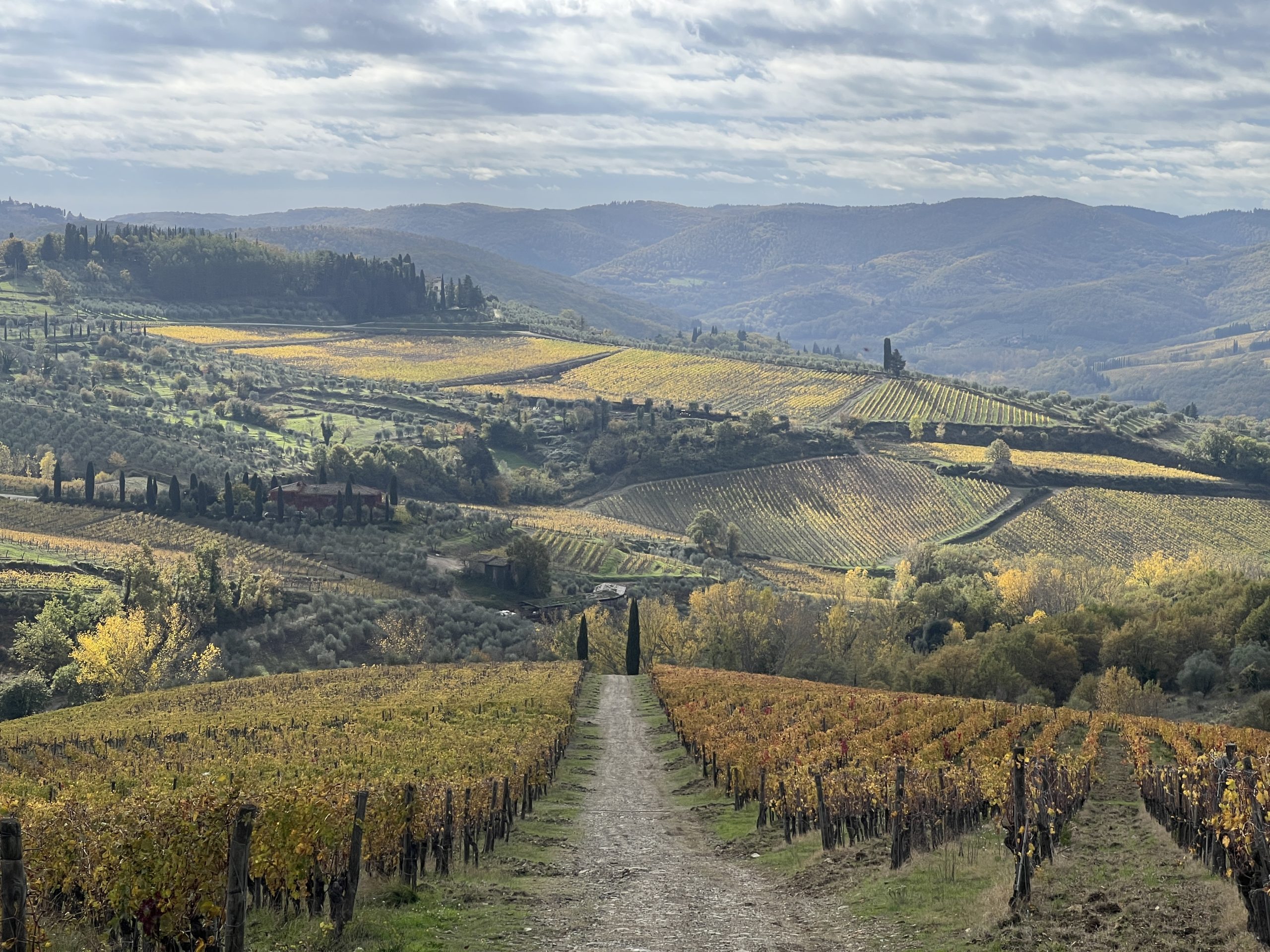
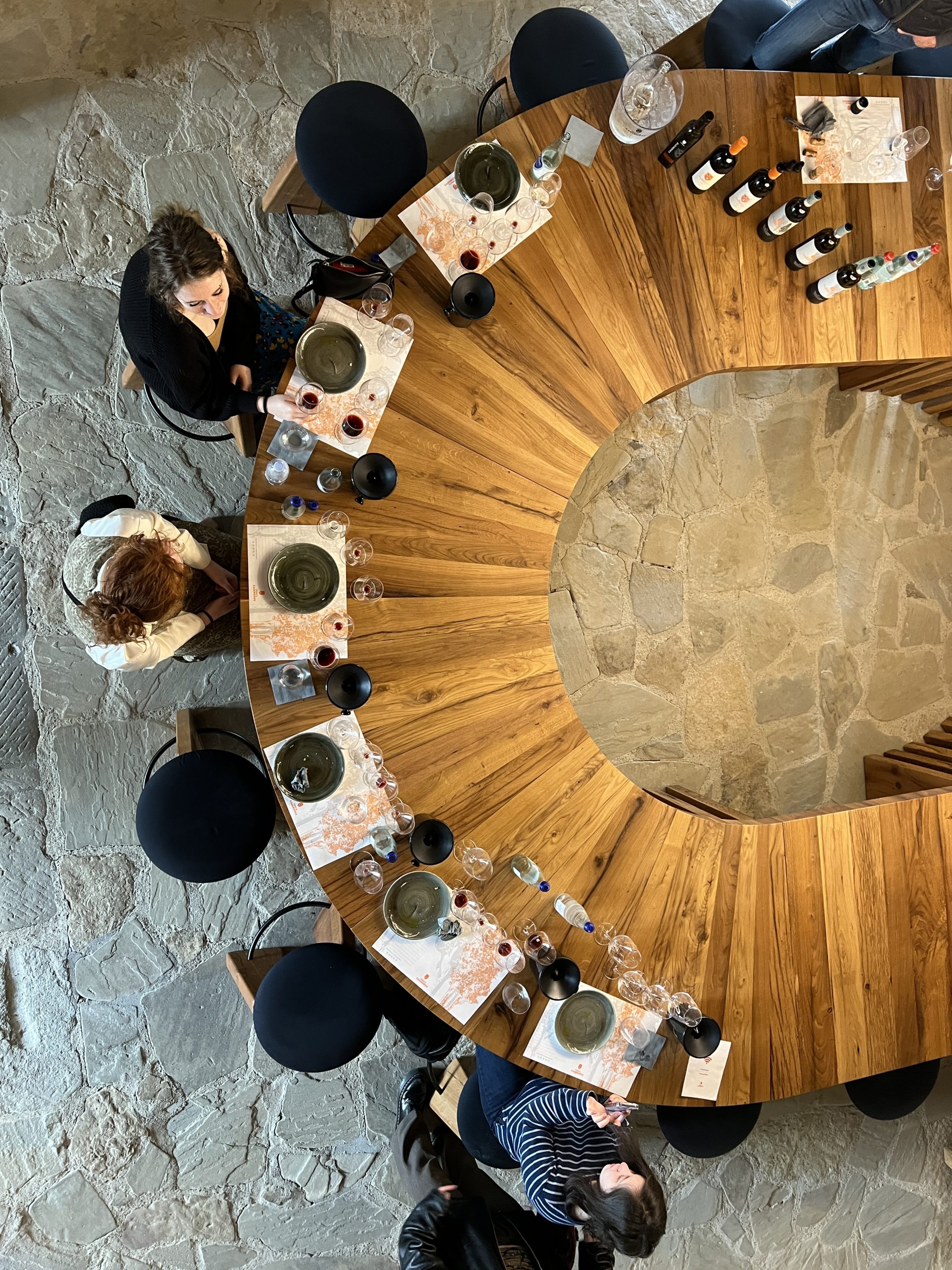
If you have three days, pick one area and commit. Chianti Classico is the obvious choice because the DOCG zone starts about 20 kilometres from Florence and the estates sit between 30 and 60 kilometres out. You can leave at nine and be back for dinner without the day being mostly windscreen. Our Chianti Classico wine tour is built around exactly that arithmetic, and the honest guide to Chianti wine tours from Florence explains what separates a small organic estate from a showroom built for coaches.
Adding the Val d'Orcia or the Cinque Terre to a three-day trip means spending most of it travelling. The version that works is one area a day, two stops at most, and a decision made before you land about what you are leaving out.
What Fits Into 5 Days in Tuscany?
Two days in Florence and three days out. That is the shortest trip that stops feeling like a raid.
A five-day shape that works: Florence, Florence, Chianti, Siena with San Gimignano, and one day chosen by interest. Siena sits 75 kilometres south, about an hour and twenty by road or an hour and a half by train via Empoli. San Gimignano is 56 kilometres from Florence and pairs naturally with Certaldo Alto rather than with Siena, which is how our San Gimignano and Certaldo day is built: two towns, one valley, no motorway.
The fifth day is where taste decides. Walkers tend to spend it on the Chianti Classico wine hiking day, which covers eight kilometres between three organic estates over nine hours and is the only way to see the vineyards from inside them instead of from a car park.
What Does a 7-Day Tuscany Trip Add?
Southern Tuscany, and a day that is not spoken for.
Seven days is the first length where the Val d'Orcia stops being a stretch. Montalcino and the Val d'Orcia sit about 120 kilometres from Florence, roughly two hours each way, which is a real day out rather than an excursion. It is worth it once, and it is exhausting twice in a week. Both our Val d'Orcia day and the Brunello di Montalcino wine tour run ten hours door to door, and that number is the honest one.
Pisa is the easy addition: 80 kilometres, an hour by train, departures every half hour. Lucca is on the same line. If you would rather see Pisa on the way to the coast, the Cinque Terre and Pisa day puts both into eleven hours, which is long but not silly.
Keep one day empty. Every seven-day trip we have run has needed it, usually on day five.
What Do 10 Days in Tuscany Let You Add?
The places that never fit into a week.
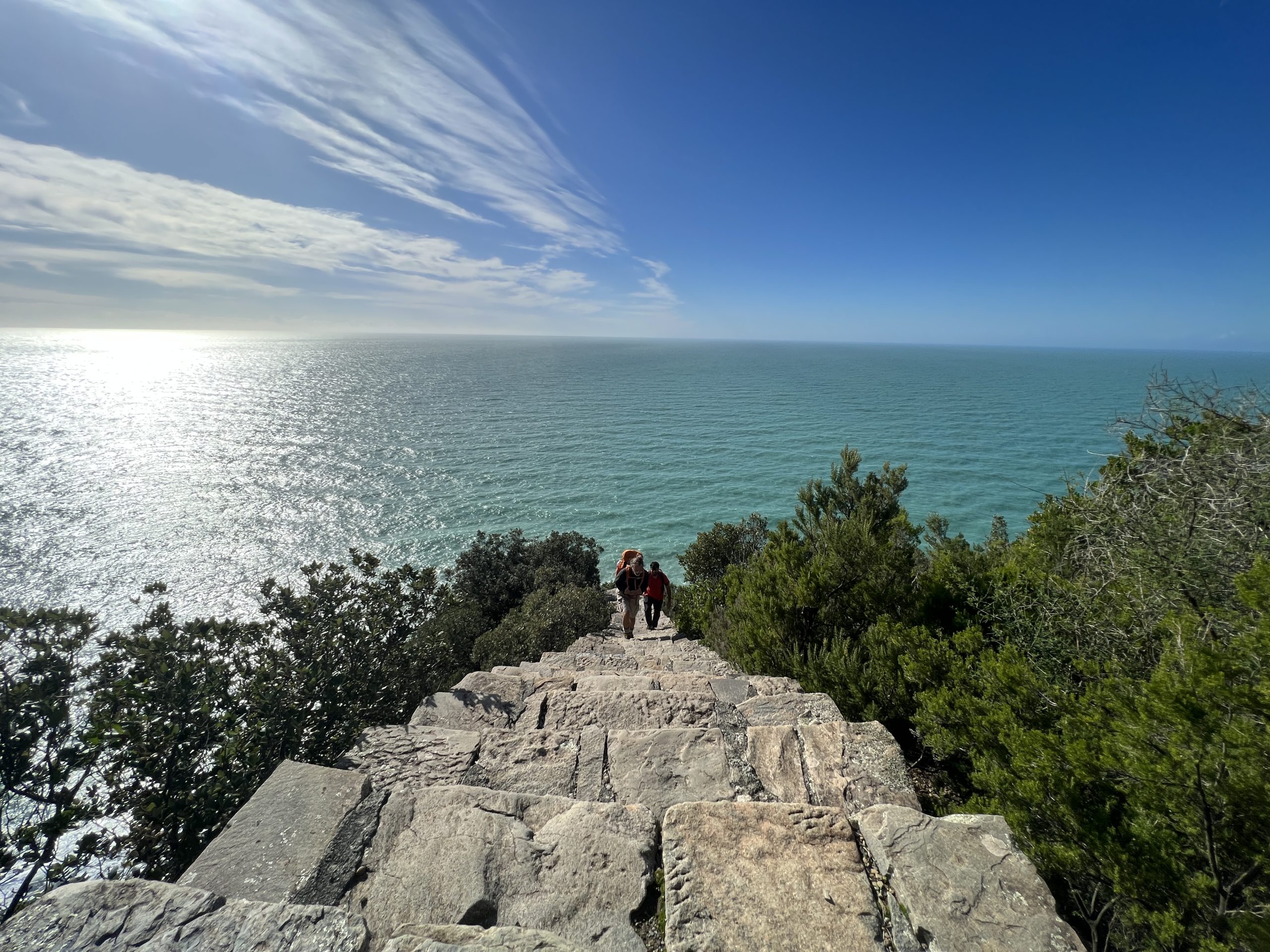
Ten days is when the Cinque Terre becomes reasonable rather than heroic. La Spezia is about 220 kilometres from Florence, close to two hours, and the Cinque Terre hiking day runs twelve hours precisely because the coast deserves a full one. It is also when the quiet half of Tuscany opens up: the Casentino and the Mugello, roughly 65 kilometres north-east on the SR70, where our Casentino and Mugello adventure goes and almost no bus tour does.
If you want to go further off the map, the Maremma is the last genuinely uncrowded corner of the region, and it needs an overnight rather than a day.
How Many Day Trips in a Row Can You Actually Do?
Four or five in a week, with a rest day somewhere in the middle.
Three consecutive full days out is comfortable. Four is tiring. Five in a row stops being enjoyable, and we can usually tell by the questions people stop asking in the van. Nobody plans for this, because on a spreadsheet in February every day looks the same length.
The fix is not fewer days out, it is alternating long ones with short ones. A home cooking class in Chianti Classico takes five hours and you are back in Florence by mid-afternoon. Truffle hunting with lunch takes four. Put one of those between two ten-hour days and the week holds together.
Do You Need a Car to Explore Tuscany?
Not for Pisa, Lucca or Siena. All three are reachable by train from Florence, cheaply and often.
You do need road transport for Chianti, the Val d'Orcia, Montalcino, Volterra and San Gimignano. Public transport there is infrequent, and it does not reach the estates that are worth reaching. The buses stop in the villages; the wineries are four kilometres outside them, uphill.
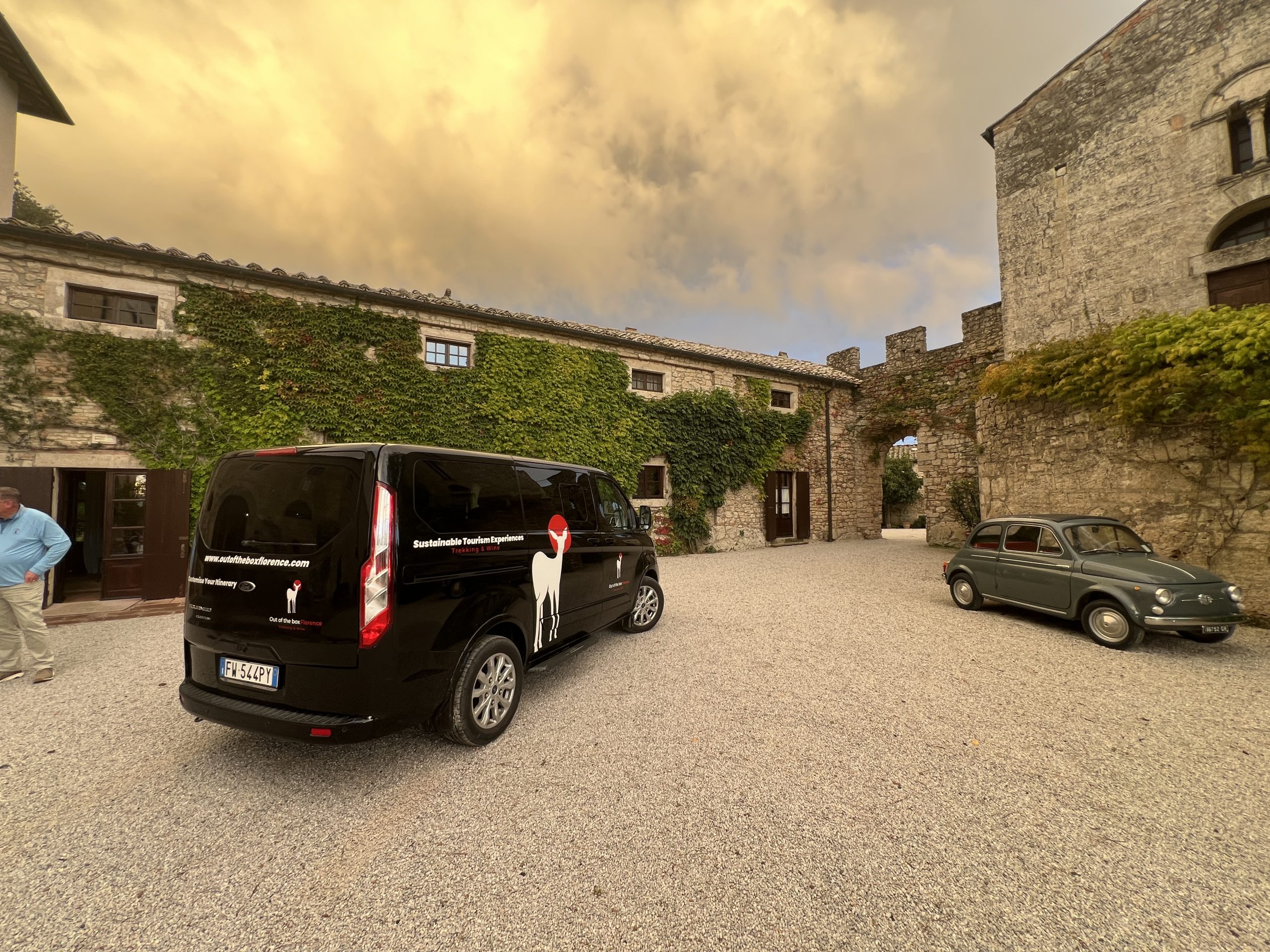
That leaves a rental car or a guided day, and the two are not equivalent once tasting is part of the plan. There is also a third option that gets sold as the first two, which is the fifty-seat coach. The difference between the three is set out in our comparison of private tours and bus tours from Florence, and the full range of what we run is on the tours page.
Does the Season Change How Many Days You Need?
Yes, by about a day in either direction.
September and October are the most productive months. The light is long, the countryside is working, and a five-day autumn trip covers what would take six in high summer. September is also the harvest, and what actually happens during the vendemmia is less picturesque and more interesting than the photographs suggest.
July and August need fewer stops per day. It reaches 35 to 38°C in the countryside, and anything strenuous has to happen before eleven. That is the season to walk early, as our guide to hiking in Chianti sets out, and to keep afternoons for cellars and shade.
Winter gives you roughly six hours of usable daylight. Everything is emptier and cheaper, and the itinerary that fitted into five days in October needs six in January.
Where Should You Base Yourself in Tuscany?
Florence, for any trip of a week or less. It has the airport connections, the train station and the shortest average distance to everywhere in this article.
Siena works as a second base, or as a first one for travellers who prefer a smaller city. It sits 75 kilometres south of Florence and puts Chianti, the Val d'Orcia and Montalcino within easier reach.
A farmhouse in the countryside is the right answer for a slow trip and the wrong one for a busy trip. It is beautiful, and it adds 40 to 60 minutes at both ends of every day you leave it. If that trade sounds appealing rather than annoying, you are probably planning the kind of trip we describe in slow travel in Tuscany, and you should read that before booking anything.
Turning a Number of Days Into an Actual Plan
Every itinerary above is a starting shape, not a schedule. The version that works for you depends on how much walking you want, whether the wine matters more than the art, how early anyone is prepared to get up, and how many of you there are.
That is the part we do. We build tailor-made Tuscany itineraries around your dates and interests, from a single day out of Florence to a full week. Tell us how many days you have and we will tell you honestly what fits into them, including what to leave out. The practical questions about group sizes, timings and what is included are answered on our FAQs page.
Written by Stefano Mazzantini, founder of Out of the Box Florence, FISAR-certified sommelier and licensed hiking and cycling guide. Over 20 years guiding international travellers through Florence and Tuscany, and more than 10,000 guests since the agency was founded in Florence in 2020.
Frequently Asked Questions About How Long to Spend in Tuscany
How many days do you need in Tuscany?
Five days is the realistic minimum for a first visit: two in Florence and three in the countryside. Seven days is the most comfortable length and covers Florence, Chianti, Siena, Val d'Orcia and a coastal day. Three days works only if you commit to one region.
Is 3 days in Tuscany enough?
Three days is enough for Florence plus one full countryside day, and not enough for a tour of the region. Chianti Classico is the best single choice because it starts 20 kilometres from Florence. Adding Val d'Orcia or the Cinque Terre to a 3-day trip means most of it is spent travelling.
How many days should you spend in Florence itself?
Two full days covers the Uffizi, the Accademia, the Duomo complex, Piazza della Signoria and the Oltrarno. One day means choosing between the museums and the city. Three days suits travellers who want the Bargello, San Marco and the Medici Chapels as well.
How many day trips can you do from Florence in one week?
Four or five, with a rest day in between. Three consecutive full days out is comfortable, four is tiring and five in a row stops being enjoyable. Alternating full days with half days, such as a cooking class or a truffle hunt, works better than a run of long excursions.
Do you need a car to explore Tuscany?
Not for Pisa, Lucca or Siena, all reachable by train from Florence. You do need road transport for Chianti, Val d'Orcia, Montalcino, Volterra and San Gimignano, where public transport is infrequent and does not reach the best estates. A private guided day solves the drinking-and-driving problem.
Is Florence a good base for exploring Tuscany?
Yes, for trips of a week or less. Florence has the best transport connections and the shortest average distance to the main destinations: Chianti 30 to 60 kilometres, Siena 75, San Gimignano 56, Val d'Orcia 120. For longer trips, splitting between Florence and a southern base saves hours of daily driving.
How many days do you need for the Cinque Terre from Florence?
One full day at minimum, and it is better as an overnight. La Spezia is about 220 kilometres from Florence, close to two hours each way, so a day trip runs to twelve hours. In July and August, arriving before 9am makes a substantial difference to the experience.
Does the season change how many days you need in Tuscany?
Yes. September and October are the most productive months, so a 5-day autumn trip covers what might take 6 in high summer. July and August need fewer stops per day because of heat of 35 to 38°C. Winter days give roughly six hours of usable light.